
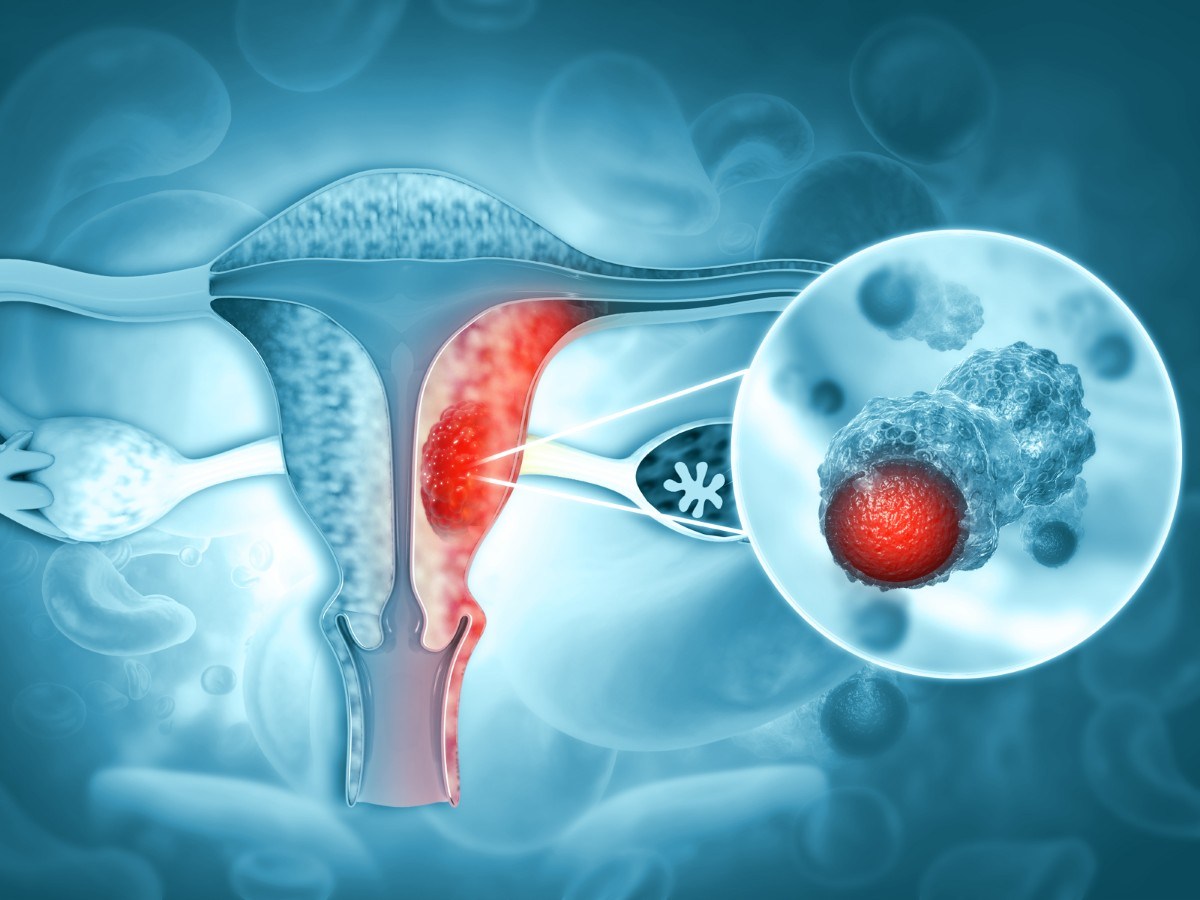
Endometrial cancer cases are surging among young women, with significant increases noted among Native American and Hispanic groups. Researchers at the University of Arizona Cancer Center identified a worrying trend: these women are being diagnosed with endometrial cancer at much younger ages compared to other racial and ethnic groups.
Disparities in Healthcare and Socioeconomic Status
The researchers suggest that healthcare access and socioeconomic disparities play a crucial role. These factors influence food security and contribute to higher obesity rates, a known risk factor for endometrial cancer. Previous studies also indicate that minority communities face food insecurity, reduced access to healthy foods, and higher rates of diabetes and cancer.
Melissa Herbst-Kralovetz, director of the Women’s Health Research Program, shared that their research was initially expected to show later-stage cancer diagnoses in these groups. However, findings revealed an early onset in Native American and Hispanic women, challenging the belief that endometrial cancer occurs mainly post-menopause.
Published Study Insights
The study, published in Cancer Medicine, included 261 women who underwent gynecologic surgery. Of these, 168 had endometrial cancer. Diagnoses occurred at an average age of 49.8 years for Native American women and 53.7 years for Hispanic women. In contrast, white women were diagnosed at an average age of 62.
The study noted a higher prevalence of diabetes among Native American and Hispanic women, although body mass index differences were not significant. These findings highlight the intersection of metabolic health, genetics, and socioeconomic factors in cancer development.
Social Vulnerability and Health Outcomes
Hispanic women in the study showed higher social vulnerability, with increased household crowding and lack of vehicle access. These elements are linked to adverse health outcomes and challenge timely healthcare access.
Social and economic factors may drive cancer outcomes, impacting when and if women seek medical care. This influence emphasizes the need for understanding how these factors contribute to endometrial cancer.
Emerging Risk Factors
Michael Wilson from Wayne State University noted that obesity and diabetes are common risk factors becoming prevalent in society. They influence estrogen production, impacting the endometrial lining and potentially leading to cancer.
Social vulnerability, through chronic stress pathways, may contribute to cancer incidences and outcomes. Research is also exploring possible links between certain hair products and cancer due to endocrine-disrupting chemicals.
Steps Forward
Wilson emphasized the need for further research to understand specific biological processes linked to social vulnerability and cancer. He highlighted the underfunding of endometrial cancer research and its impact on public health.
Herbst-Kralovetz stressed seeking medical advice for abnormal uterine bleeding, a leading symptom of endometrial cancer. Her team is developing a self-collected vaginal swab test to enable early detection, especially in rural and underserved areas.
This innovation aims to alleviate healthcare access issues by allowing women to self-collect and send samples for analysis, potentially transforming early detection and treatment outcomes.
Reference: Jimenez, N. R., Mendoza, R., Flores, E., Cui, H., Łaniewski, P., Chase, D. M., Roe, D. J., Herbst-Kralovetz, M. M. (2026) Retrospective Chart Review Indicates Earlier Age of Endometrial Cancer Diagnosis and Elevated Housing and Transportation Vulnerability in Hispanic and Native American Populations. Cancer Medicine.