
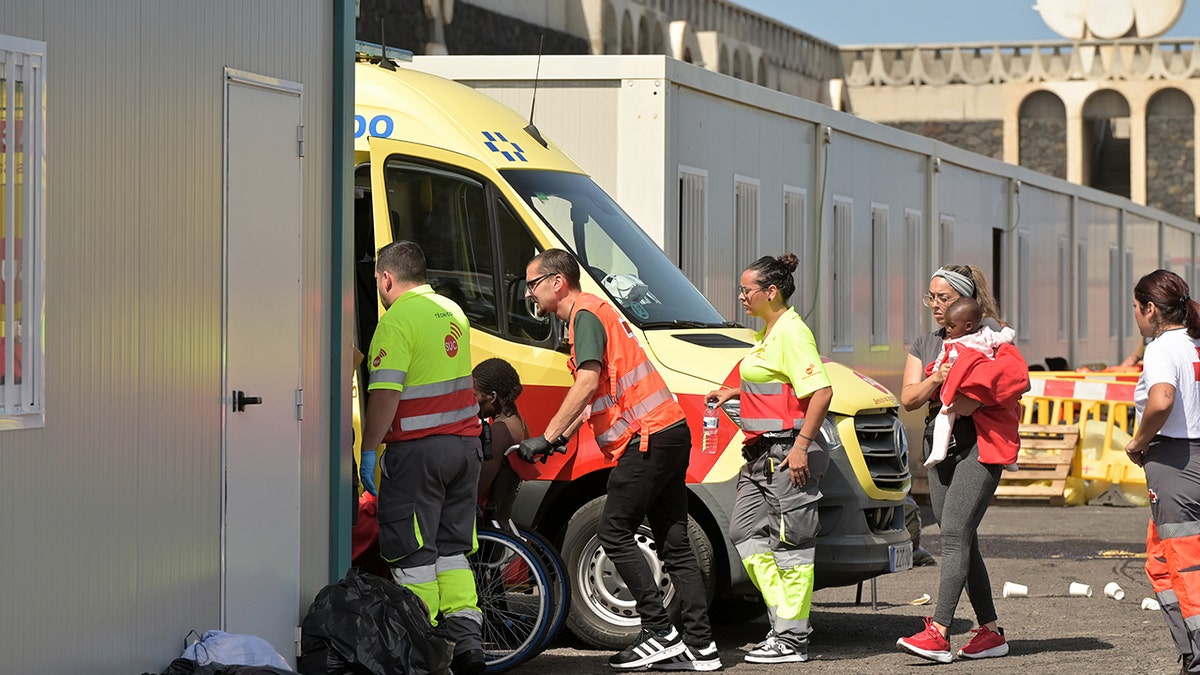
Thousands of migrants reached Spain’s Canary Islands last weekend amid an ongoing migration emergency. The islands, particularly impacted by migration from West Africa and Sub-Saharan Africa, processed over 2,200 migrants arriving in dinghies and makeshift boats in two days.
On El Hierro island, a flotilla of 14 boats arrived carrying 1,324 people. The island’s population comprises about 12,000 Spanish residents. A cayuco’s capsizing led to the death of at least seven women, including three minors. Rescue efforts continue, with a baby missing at sea and two young people seriously injured.
The Spanish government declared an emergency for the archipelago due to the migration surge. This emergency follows a previous crisis when tens of thousands of migrants entered Spain’s North African territory, Ceuta, in July.
“Residents of Ceuta feel the government isn’t doing enough to prevent another migrant rush,” stated a Spanish journalist.
Spain is also dealing with internal unrest. A general strike turned violent, leading to clashes with police, fires, and vandalism in cities such as Barcelona. Demonstrators targeted Paseo de Gracia, setting fires and launching fireworks at officers. This disturbance marks Spain’s first general strike in 14 years, driven by soaring rents and rising living costs.
Housing protests continue, with activists reporting 400,000 marchers in Barcelona. City officials estimate 55,000 attendees. In Madrid, despite rain, 120,000 demonstrators protested. The strike affected public transport, businesses, and major roads across the country, resulting in multiple arrests. Police in Madrid resorted to pepper spray to control the crowd.
The migration and housing crises are expected to influence Spain’s upcoming parliamentary elections on November 29.