
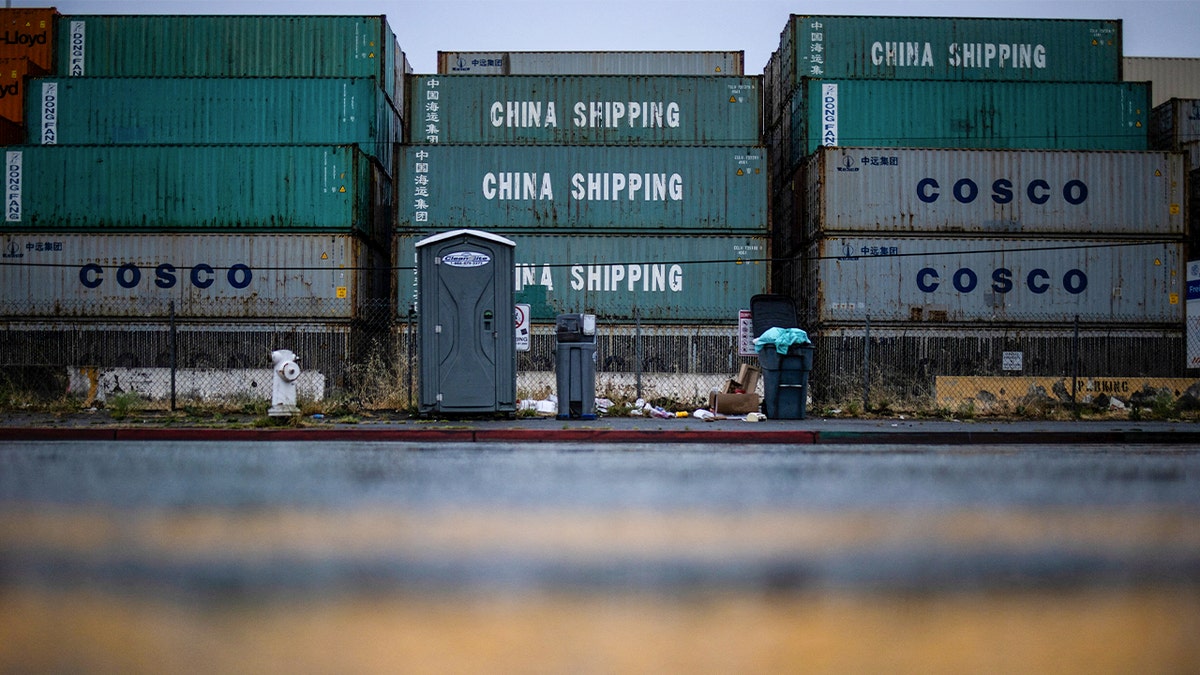
In December 2001, China joined the World Trade Organization (WTO), marking its full entrance into the global economy. This step followed the United States granting China permanent normal trading relations, a status typical for allies. Many, including myself, supported this move. Looking back, it was a significant error in my 14-year Senate career.
China has since become an economic and military heavyweight. It has wielded this power for negative purposes, executing genocides against Uyghurs, Tibetans, and Falun Gong practitioners. China has allied with authoritarian regimes, threatening global peace, and spreading human rights violations. Moreover, it has expanded its nuclear arsenal alongside a navy larger than ours.
“We deceived ourselves into believing that China would become open and free within the global economy.”
By enabling China’s WTO membership, the U.S. committed a major policy mistake. We assumed that China, if engaged globally, would lean towards openness and freedom. We thought exposure to democracy would create a pull toward liberty.
Evidence of this mistake is visible. We are now in a new Cold War, akin to the struggle against the Soviet Union. Yet, unlike then, we mistakenly granted China favored trade status. The Soviet Union never received such privileges due to the explicit ideological conflict.
The Chinese strategy has been subtle. They presented themselves as partners until they felt strong enough to confront us. They argue against us, claiming that we only want to stifle their rise.
Beneath this facade lies their ambition for global reign. Their decades-long conflict with us is a reality we are now acknowledging. We previously hindered the Soviet advancement by restricting market access, which financially incapacitated them during Reagan’s military build-up. This financial squeeze played a role in their collapse.
It’s time to apply this strategy again. We should challenge the Chinese Communist Party by tying market access to religious freedoms. If China persists in denying such freedoms, America and the West should start separating their economies from China.
By threatening market disconnection, we initiate essential debates and reforms within China. Losing the American market would significantly impact the Chinese economy. To keep our market open to them, China must extend fundamental human rights to its citizens.
The 100 million Christians in China would benefit from practicing their faith openly. Millions of Falun Gong supporters would welcome such changes. Regions like Tibet and Xinjiang would celebrate such a shift.
“We aim for the freedom we initially expected from our trade deal with China.”
If China rejects these terms, it strengthens our rationale to decouple economically. This goes further in explaining to Americans why trading with a ruthless communist regime is untenable.
One of democracy’s strengths is its capacity to recognize and amend mistakes. The global community erred 25 years ago. Now, we must correct this. Recognition comes before reformation.
Former Ambassador Sam Brownback served in the role of International Religious Freedom Ambassador (2018–21) and co-chairs the International Religious Freedom Summit.