
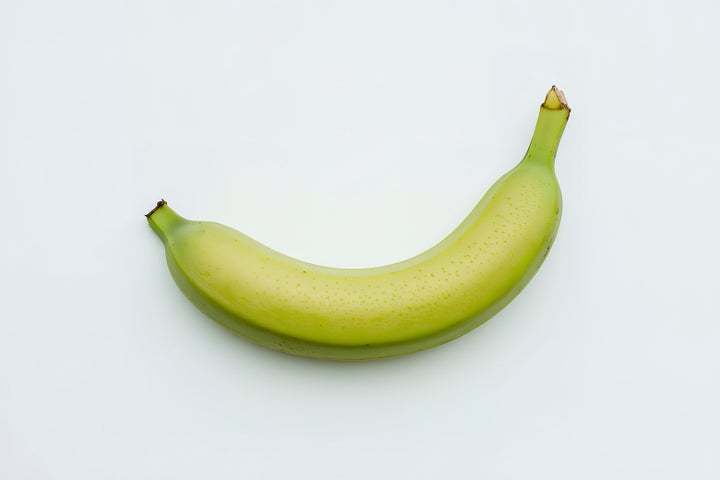
Different foods have varying effects on your health based on their ripeness, and bananas are no exception. As bananas ripen, their nutritional composition such as sugar, starch, and vitamins change. If you’re selecting bananas for specific health needs like pre-workout energy or maintaining low sugar for diabetes management, it’s vital to pick them at the correct ripeness.
Underripe Bananas
An underripe banana appears green, is firm, and tough to peel. According to Avery Zenker, a dietitian at MyCrohnsAndColitisTeam, this stage is packed with resistant starch and low sugar. Resistant starch benefits include promoting healthy gut bacteria, reducing inflammation, and stabilizing blood sugar levels. This starch acts similarly to fiber in the gut, fostering good bacteria and aiding in blood sugar control, according to Amanda Sauceda, a nutrition lecturer at California State University, Long Beach.
This level of ripeness benefits those managing blood glucose levels, including individuals with insulin resistance, prediabetes, Type 2 diabetes, and similar metabolic conditions. It can also improve gut health, crucial for managing digestive issues like irritable bowel syndrome. However, athletes might avoid underripe bananas due to slow digestion causing stomach heaviness. Pairing them with peanut butter can introduce protein and healthy fats, enhancing blood sugar response and benefiting gut health.
Barely Ripe Bananas
Bananas that are mostly yellow with minor green ends are classified as barely ripe. This level remains high in fiber but starts seeing resistant starch converting into simple sugars. Mineral content, like potassium and magnesium, remains stable. As Zenker notes, this ripeness suits those desiring digestive benefits without the chalky texture and needing steady energy without major blood sugar disruptions. It’s beneficial for insulin resistance management and for peri- or post-menopausal women dealing with gut health changes due to shifting hormones.
Ripe Bananas
Ripe bananas are completely yellow and soft with a sweet aroma. Though not all experts find drastic differences between ripe and barely ripe bananas, ripe bananas see starches mostly converted to sugars with increased sugar and antioxidants, and peak vitamin and mineral levels.
Sauceda mentions that one ripe banana provides 8% of the daily potassium value, crucial for blood pressure regulation and muscle contraction. It’s also ideal for individuals post-workout seeking whole-food energy boosts, or those aiming to increase potassium intake. Ripe bananas work well for children needing a sugary, easy-to-eat snack.
Very Ripe Bananas
Very ripe bananas show brown spots, are soft, and have a distinct aroma. Their sugar content is high, with reduced fiber levels. Zenker suggests they are perfect for quick energy needs, sensitive digestive conditions, low appetite, or if seeking a sweet treat. For those concerned with blood sugar, this stage is less suitable due to higher sugar levels.
Overripe Bananas
Overripe bananas appear brown or black and are quite mushy. They boast high sugar and antioxidant content but low fiber, and a reduction in vitamin C is seen, though some vitamins like folate increase slightly. They’re suitable for baking or blending into smoothies due to their gentle digestive nature and fast calorie provision. Athletes may benefit, but people managing diabetes or seeking nutrient density should steer away.
Overall, bananas can be consumed at any ripeness level for nutritional benefits. Sauceda confirms that whether green or ripe, bananas are a nutritious fruit choice.