
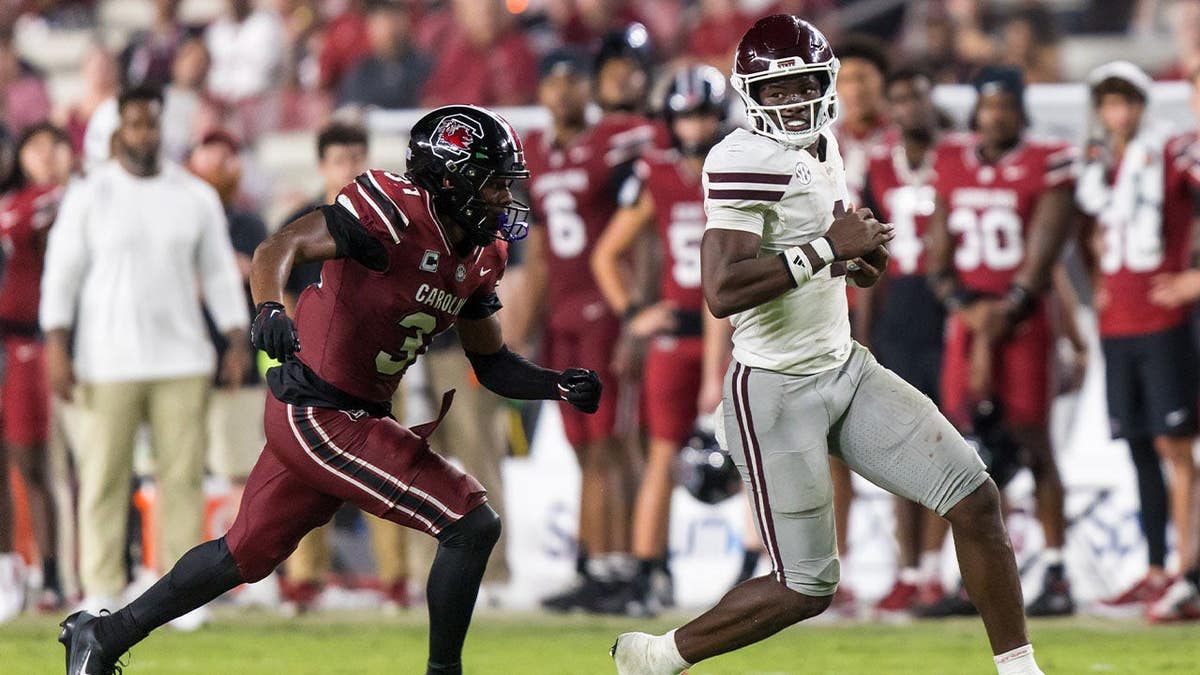
Inflation is a term often linked with prices at the supermarket, but it’s now making waves in college football as well. This week marks another big moment in the ongoing saga of Name, Image, and Likeness (NIL) deals for quarterbacks. Kamario Taylor of Mississippi State has signed a groundbreaking $7.5 million contract to remain in Starkville. Reports indicate this figure could exceed $9 million with incentives.
Kamario Taylor is being touted as one of the nation’s top young quarterbacks. Despite limited playing time, his potential is drawing significant attention. Mississippi State has made a strategic move to secure Taylor amid growing competition and interest from other programs.
The market dynamics at play here are worth noting. College quarterbacks are starting to command NFL-level salaries. For instance, Taylor has made only 236 pass attempts in his career. Yet, scouts predict a bright future should he decide to enter the NFL draft.
This trend isn’t entirely new. There have been cases like Texas Tech’s investment in Brendan Sorsby, who was paid between $5-6 million following a decent season at Cincinnati. Unfortunately for Texas Tech, off-field issues led to an unsatisfactory outcome. Additionally, in 2022, Tennessee made headlines by offering Nico Iamaleava $8 million. Iamaleava chose to transfer to UCLA not long after.
Looking ahead, the market value attached to players continues to rise. Keelon Russell of Alabama is a prime example. If his team clinches an SEC Championship, his next NIL deal could be extraordinarily high.
The escalating value of college football rosters speaks volumes. Power 4 program coaches, like Ryan Day, have previously expressed the need for substantial funding to build championship teams. Asking for $20 million today would seem inadequate for top-tier programs.
The revenue from college football is soaring, shifting power towards the players. Discussions about salary caps and collective bargaining agreements have been raised, but as it stands, college football operates in an unpredictable environment. The sustainability of this growth pace remains uncertain.