
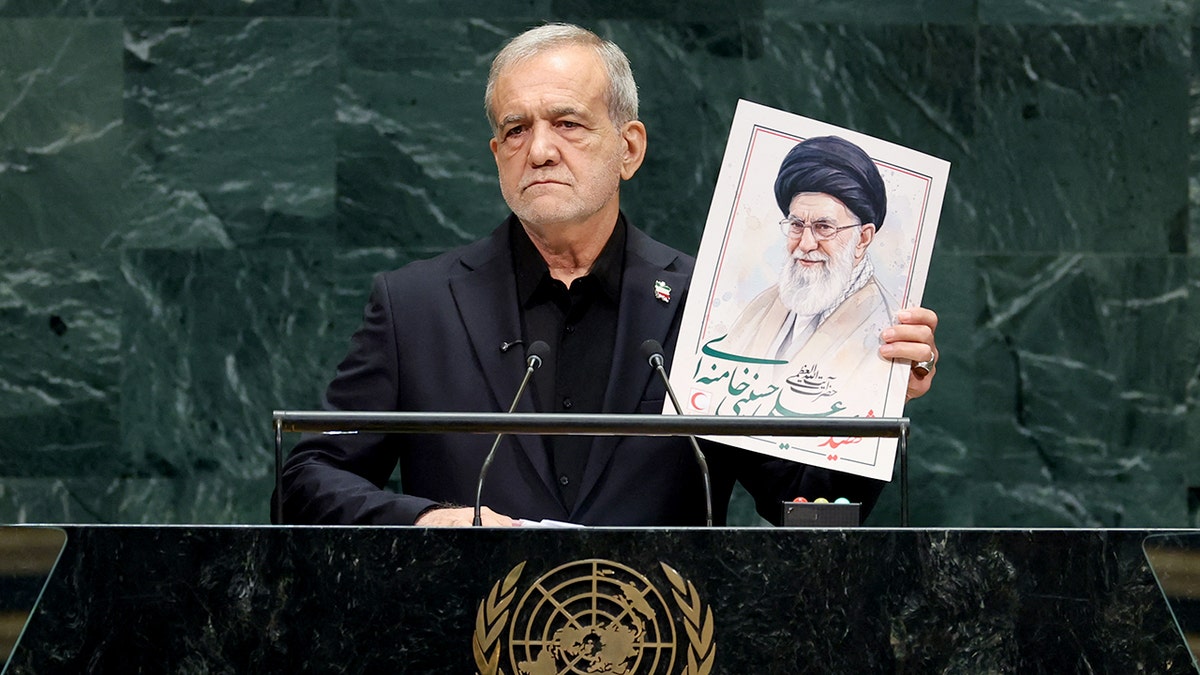
The United Nations reconfirmed Iran’s position on the Committee for Programme and Coordination. This decision, made on Wednesday, drew strong criticism from member states. Many believe Iran’s record of aggression should disqualify its representatives from discussions on human rights, women’s rights, and counterterrorism.
Before the vote, Hillel Neuer, executive director of UN Watch, expressed concern. He stated this move provides Iran with another tool for the regime’s propaganda machine. Neuer noted, ‘You’ll see a headline in Iranian media: We were elected to yet another body.’ He emphasized the inconsistency of the U.N.’s efforts to create a forum to deter international violence.
Neuer criticized the U.N. for often attacking democracies, such as the U.S. and Israel. He pointed out that America faces condemnation every year for the embargo in Cuba. In contrast, there was only one resolution on Iran, North Korea, and Myanmar last year; Israel had 15. Terror groups like Hamas were not mentioned.
There is a perception of the U.N. spending much of its time targeting democracies rather than addressing global injustices uniformly.
Iran’s support came from 144 ballots at the U.N. General Assembly. The Committee for Programme and Coordination, comprised of 34 member states, involves essential reviews of the U.N.’s plans. It makes recommendations on design, priorities, coordination, and effectiveness.
The U.S. lawmakers criticized Iran’s reconfirmation. A statement from the House Foreign Affairs Committee labeled Iran as the ‘world’s biggest exporter of terrorism.’ Canada also opposed this decision. Foreign Minister Anita Anand stated that Canada voted against Iran’s inclusion, citing that the committee should uphold the U.N.’s Charter.
Australia joined the opposition. Foreign Minister Penny Wong expressed concerns over Iran’s human rights record and destabilizing actions.
Neuer discussed how other countries monitor the U.N.’s treatment of Iran. He mentioned that aggressors often observe international reactions for indicators of future behavior. He drew parallels with past events, such as Russia’s actions following U.S. statements on Syria.
He also noted that while skepticism towards the U.N. exists in the U.S., other nations consider it a symbol of international legitimacy.
The reconfirmation of Iran in this committee raised questions about the messages being sent to the Iranian regime. Critics argue that the U.N.’s action appears to endorse Iran despite its human rights violations.