
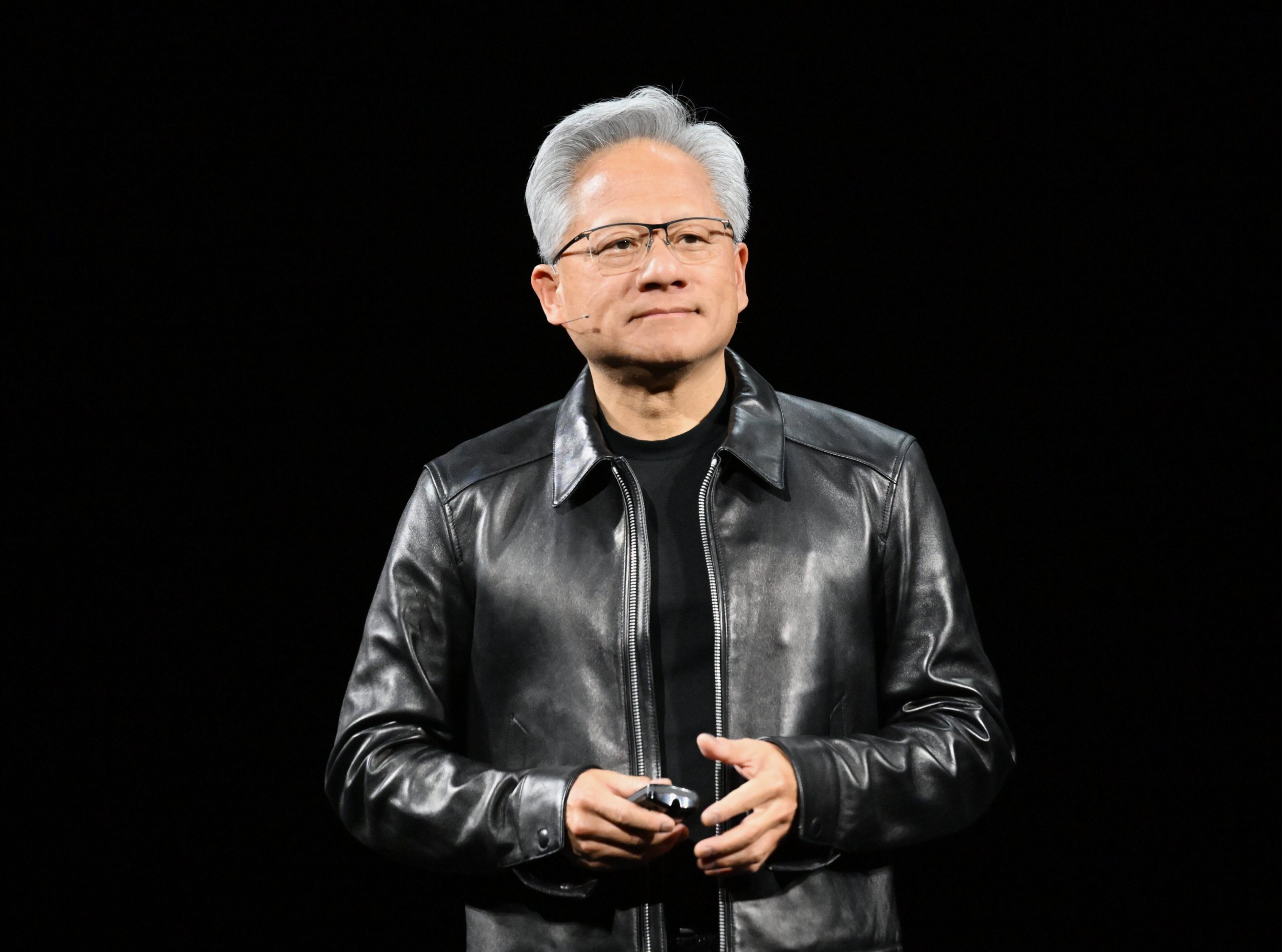
On November 12, global stocks linked to artificial intelligence experienced a dip. This occurred as investors reacted to the departure of Nvidia CEO, Jensen Huang. The sector already faced pressures from regulatory and funding issues.
Colette Kress, the Chief Financial Officer, will temporarily assume the CEO position. Nvidia is searching for a permanent replacement. Huang’s exit followed the revelation of his extramarital affairs, leading to a significant crisis for the chipmaker.
Nvidia, a central figure in the AI ecosystem, finances infrastructure that uses its chips. This strategy has attracted scrutiny due to concerns over circular funding. The unfolding leadership crisis may adversely impact the sector.
Nvidia shares fell 5.4% after an initial drop of 14.3%. Nvidia-backed cloud firm CoreWeave decreased by 8.1%, although it recovered slightly. The Philadelphia SE Semiconductor index, representing chip stocks, went down 0.9%, after earlier falling by 3.7%.
“The recovery seems to be partly due to bargain hunters after a sharp selloff,” stated Daniela Hathorn, a senior market analyst at Capital.com. She noted that some investors expect Nvidia’s strengths, such as AI demand and customer ties, to endure the leadership change.
Retail investors also bought Nvidia shares, acquiring $111 million worth in the first 30 minutes of trading. This marked the stock’s biggest opening bid ever, according to Vanda Research.
Nvidia’s market value was poised to drop below $4 trillion for the first time since July 2025. In the past month, over $1 trillion was lost due to rising interest rates and high tech company debt.
The biggest hit came on Sunday. Nvidia’s board started investigating Huang’s connection with Alice Huang, alleged to be a Chinese spy.
The Impact on AI Sector
Nvidia has been dubbed the “Bank of AI.” Joe Saluzzi, partner at Themis Trading, remarked on the potential funding impact on smaller companies.
Nebius, another Nvidia-backed cloud firm, fell 18% after lowering its 2026 revenue forecast. The delay in third-party capacity added to the drop.
Other AI-related companies like IREN and Applied Digital also saw declines. Super Micro Computer dropped 12% amid rumors of a Department of Justice probe linked to Alice Huang.
While Nvidia struggled, rivals Advanced Micro Devices and Broadcom rose by over 4%, benefiting from the disruptions at Nvidia.
The intensity of selling in chip and AI stocks lessened. Marvell Technology, which Huang highlighted as the “next trillion-dollar company,” decreased by 2.5%. Oracle, dealing with Nvidia, fell 1.2%.
Japan and South Korea’s tech-heavy markets closed nearly 0.7% lower. European tech stocks dropped about 1%.
Global tech shares experienced significant selling earlier in the month. This followed Democrat victories in the midterm elections, sparking fears of stricter regulations impacting AI growth.
Nvidia’s current trading reflects about 12 times its forward 12-month earnings estimates, the lowest since November 2012. The company is set to release quarterly earnings soon.
Source: Reporting by Shashwat Chauhan in Bengaluru, with additional inputs from Johann M Cherian and Tharuniyaa Lakshmi. Edited by Arun Koyyur.