
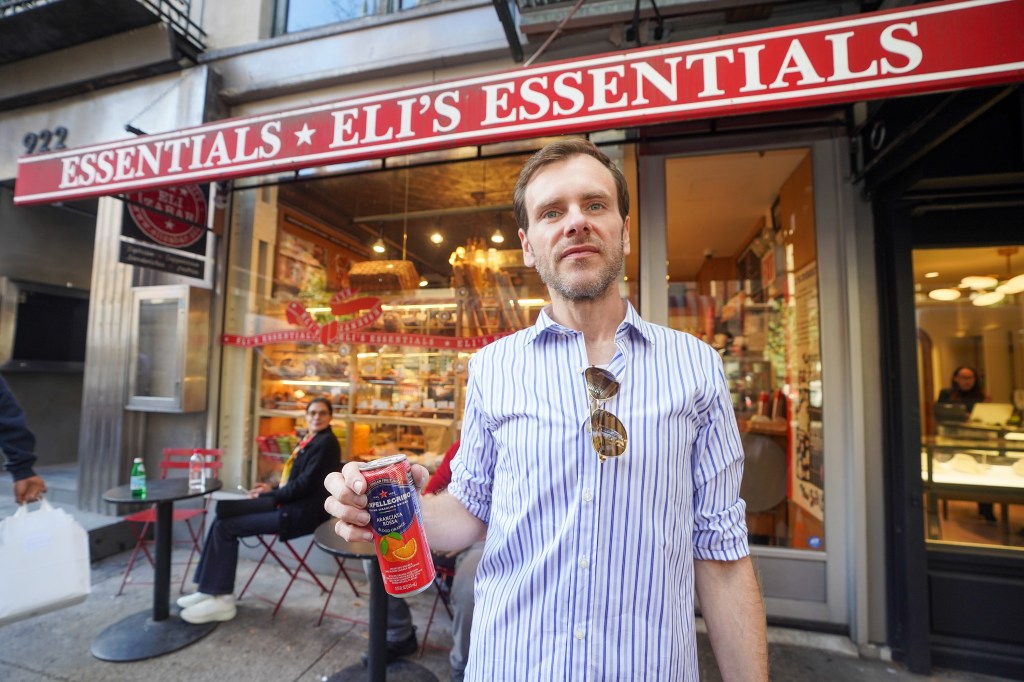
Corey Anderson McCutcheon, a resident of the Upper East Side, has decided to stop participating in the tipping culture. He is frustrated with situations where cashiers and automated systems expect tips despite providing minimal service. This sentiment is shared by many consumers who are questioning the necessity of gratuities at places like automated kiosks and self-service stations.
McCutcheon, a hair salon owner, explains that he feels the expectation to tip at self-service locations, such as a dollar store or an airport kiosk, is unwarranted. “If I’m doing the work myself, why should I tip? It’s unreasonable,” he said. His stance resonates with 78% of Americans who view the tipping trend as excessive, and 42% who feel no guilt in refusing to tip when service is lacking.
This resistance is also fueled by complaints about hidden fees and surprise charges on inflated bills at restaurants and shops. Historically, tipping began as a means to help minimum-wage workers. However, Cornell University’s William Michael Lynn notes that people’s view of tipping has deteriorated as corporations exploit the system.
Etiquette expert Jacqueline Whitmore concurs, especially in cases where there is no direct service being provided. She argues that tipping in such scenarios holds no merit. McCutcheon agrees; he refuses to tip for substandard service.
This divisive issue also extends to social media, where opinions on tipping are varied. Will, a Brooklyn resident, shares McCutcheon’s sentiments after a recent experience at a bakery where a 20% tip was suggested for minimal service.
Brittany Robinson, from Manhattan, has almost stopped using service industries because of high costs and constant tipping demands. She prefers to decline tips politely and carry on without feeling awkward. Robinson recounts an instance where she was asked to tip for a medical service, which she found unreasonable.
Similarly, Ivy Marie, a former barista now working in brand strategy, resists tipping when essential service elements, like customer interaction, are lacking. She suggests that improved customer service should be inherent, not extra.
Comedian Dustin Anderson echoes this sentiment, preferring genuine service over tips and finding the expectation of tips increasingly burdensome. Acknowledging that service needs to meet a certain standard to warrant gratuity, both McCutcheon and Anderson are clear: good service earns a tip, while poor service does not.
McCutcheon stresses the importance of excellent customer service in his own salon business, advocating that a tip should be a reward for exceptional efforts, not an obligation. “A tip is a ‘Thank you’ for going the extra mile,” he states, underscoring the principle of earning gratuity through dedicated service rather than expecting it.