
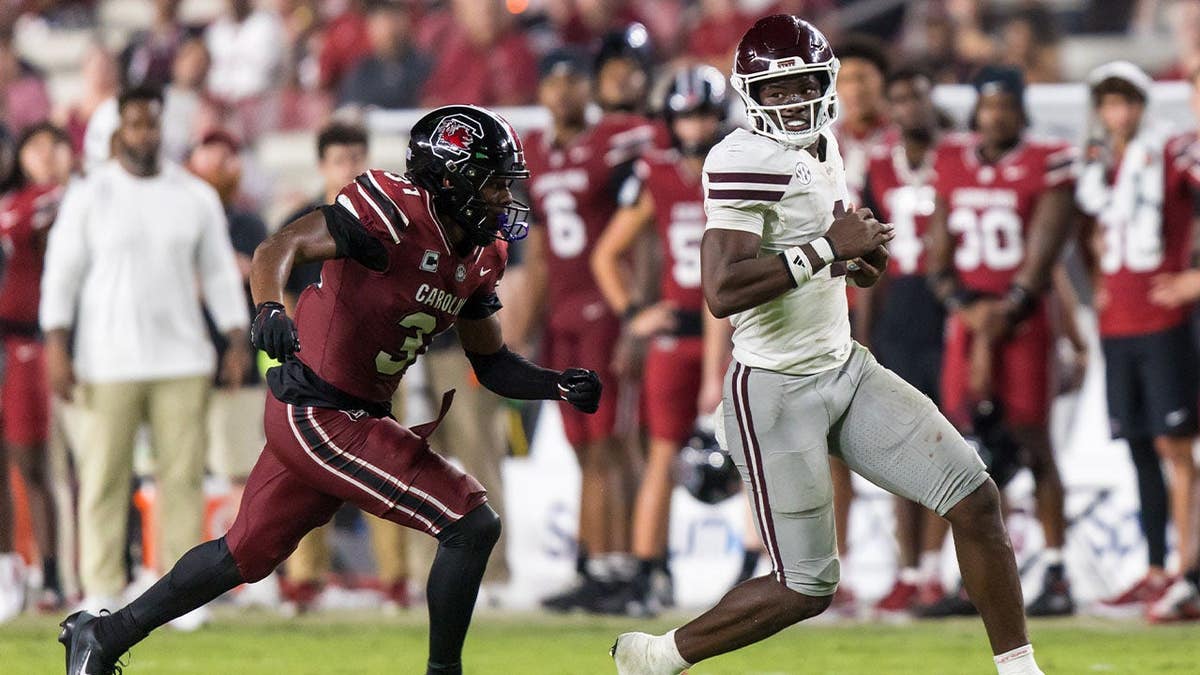
The landscape of college football is changing with the introduction of NIL (Name, Image, Likeness) agreements and revenue-sharing. College athletes are seeing significant increases in their earnings. Leading the charge is Mississippi State’s quarterback, Kamario Taylor.
College quarterbacks are earning between $6 and $7 million annually. Projections indicate these figures will increase over the next few years. For example, Mississippi State has reportedly offered Kamario Taylor a $7.5 million contract for the next season, according to On3. This could rise to $9 million with incentives.
Kamario Taylor, known as ‘Super-Kamario’, remains committed to Mississippi State. Despite opinions suggesting he could earn more elsewhere, Taylor has expressed a strong desire to stay. This commitment comes from his long-standing enthusiasm for the Bulldogs.
Amidst discussions of player retention, Mississippi State’s financial supporters are ensuring Taylor feels valued. Schools like Mississippi State understand the importance of retaining talent and will go to great lengths to maintain their top players.
For the Bulldogs, retaining Kamario means more than just winning games. It’s crucial for marketing and branding. After undergoing surgery for a turf toe injury, Taylor is set to return stronger in the 2027 season, helping lift Mississippi State’s prospects on and off the field.
The compensation for Taylor mirrors that of a mid-first-round NFL draft pick. His continued presence in Starkville represents a strategic investment for the university.
This shift in college sports economics suggests that what we see with Taylor is just the beginning. As the transfer portal opens, more players will command similarly high salaries.