
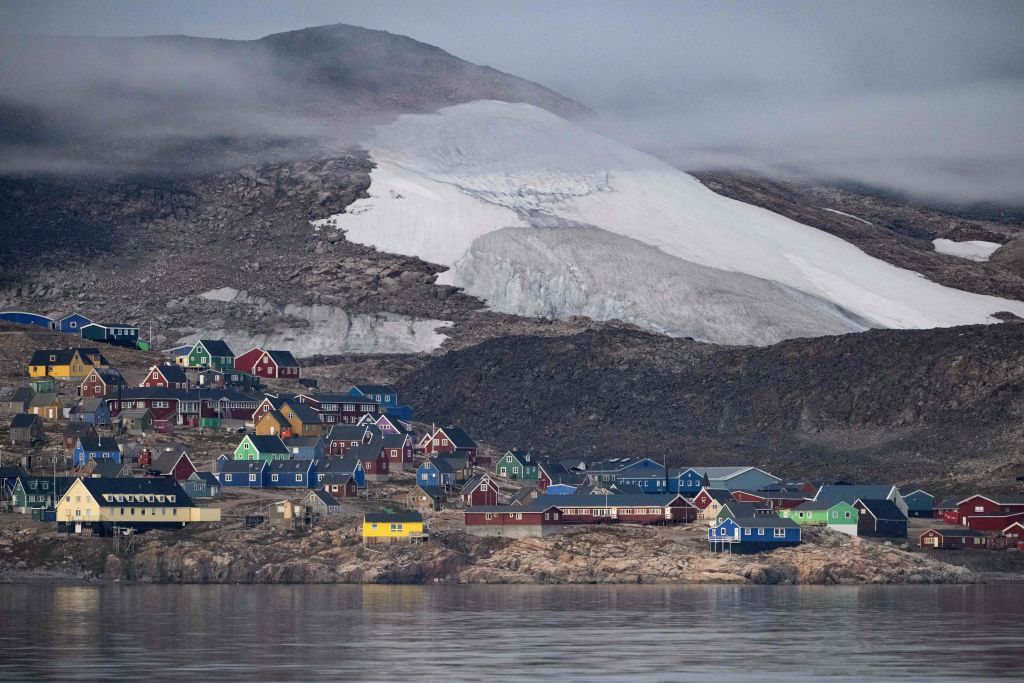
President Donald Trump’s proposal to increase the U.S. military presence in Greenland has raised alarms about potential disruptions to traditional hunting practices. Hans Brønlund, the chairman of the local committee in Ittoqqortoormiit, warns that the expansion could disturb critical wildlife habitats. The community, with a population of 329, relies heavily on hunting.
The proposal comes as Denmark and the United States discuss a security agreement that would allow U.S. military activities at new sites in Greenland like Mestersvig and Narsarsuaq. Brønlund has expressed the need for residents’ input in decisions that impact their community.
Impact on Hunting Traditions
In Ittoqqortoormiit, hunting is integral for food, income, and cultural identity. Residents already confront challenges from climate change and a decline in hunting participation. The U.S. military expansion could further jeopardize their livelihoods by affecting access to wildlife and remote hunting areas. Concerns particularly focus on Mestersvig, a potential site for increased U.S. operations.
“We do not want Americans here near Ittoqqortoormiit. We do not want to be a shield for their country,” Brønlund stated to public broadcaster KNR.
Brønlund fears that increased operations could harm narwhals and polar bears, essential to local hunters. He also fears U.S. interest in Greenland’s natural resources, such as oil and minerals, could grow with a military base’s establishment.
He criticized decision-making without community involvement. “It cannot be right that you sit in Copenhagen and Nuuk and make such big decisions over our heads,” he wrote in an open letter to Danish government leaders.
Security Agreement Details
The security agreement, signed in September, grants the U.S. military increased access in Greenland. Article VI of the agreement asserts that such activities should respect Greenlandic society and traditions, including hunting and fishing.
Greenland’s parliament, the Inatsisartut, approved the agreement with 16 votes in favor and seven abstentions. Concerns about environmental safeguards and the impact on traditional livelihoods were prevalent during discussions.
Mimi Karlsen of the Inuit Ataqatigiit party highlighted the need for the agreement to consider hunting and natural resources. She questioned oversight of military operations and environmental cleanup responsibilities.
“We must also consider the consequences for natural resources, traffic, hunting, and fishing,” she stated.
Opposition politician Pele Broberg raised concerns about the environmental provisions, doubting if they compelled the U.S. to address military pollution fully. Siumut politician Erik Jensen demanded more public consultation during negotiations.
Denmark’s Parliamentary Debate
Denmark’s parliament is set to debate the agreement starting November 12, with a final reading planned for November 19. A briefing by Foreign Minister Lars Løkke Rasmussen is scheduled before the debate.
Further negotiations are necessary to finalize operational details at Mestersvig, and environmental assessments on hunting grounds remain unspecified.