
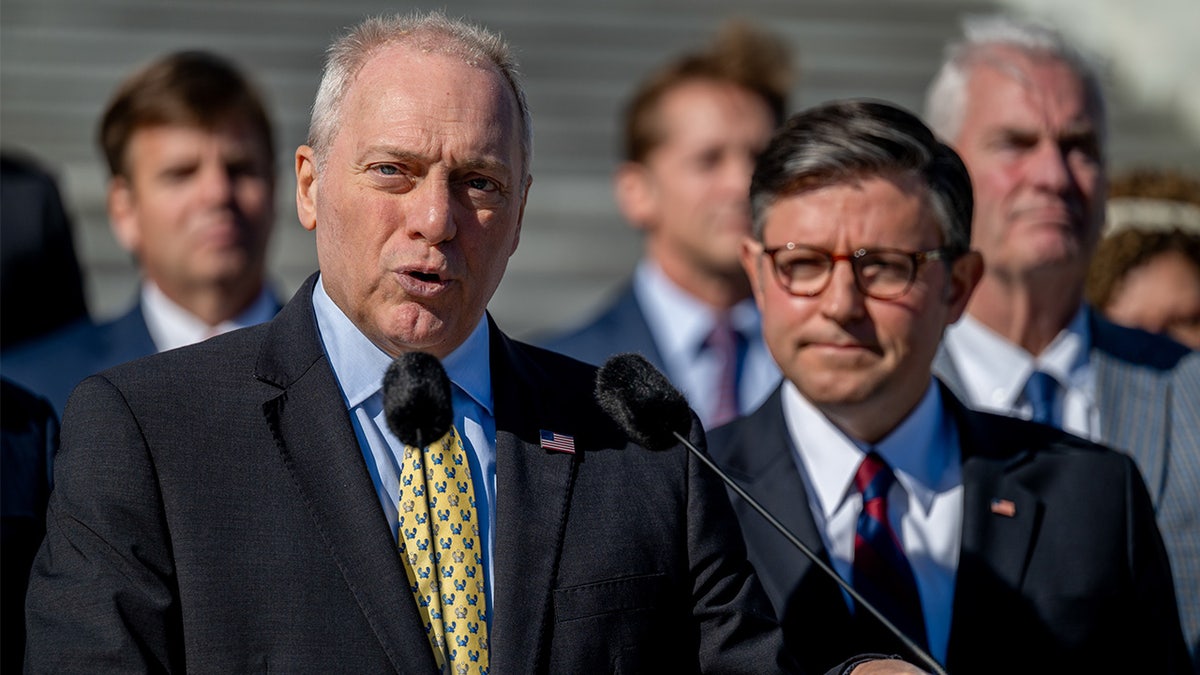
Internal leadership elections in the House and Senate are underway on Capitol Hill. Both Democrats and Republicans in each chamber will soon select their leaders, leading to significant changes. Although some leaders seem likely to win, there is opposition among party members, making these elections intriguing.
The process kicks off with the Republicans, holding elections in both chambers starting Tuesday. House Majority Leader Steve Scalise of Louisiana is challenging Rep. Jim Jordan of Ohio for the position of Minority Leader. Current House Speaker Mike Johnson, also from Louisiana, will not attempt to maintain his leadership role.
In the House, Republicans currently hold 175 seats against the Democrats’ 260. When voting for Minority Leader, only a simple majority is needed, meaning the candidate requires just 88 votes to win.
Senate Republicans are also holding elections. John Thune from South Dakota is seeking to retain his leadership role. Meanwhile, Senate Democrats have no date set yet for their internal elections. Rep. Hakeem Jeffries of New York is anticipated to secure the House Democratic leadership nomination.
Progressives and members affiliated with the Democratic Socialists of America want someone else rather than Jeffries but have not proposed a specific alternative. Without a strong opponent, Jeffries is expected to prevail. In the new Congress, Democrats might have 260 seats, requiring Jeffries to get 131 votes to become Speaker.
The Speaker of the House is a crucial position, similar to the President’s role for the executive branch. The House votes for the Speaker on January 3, needing 218 votes out of 435 Members. Jeffries can afford to lose some votes and still win, making his leadership likely.
Senate Majority Leader is a position that doesn’t require a full floor vote. It’s established more recently than other roles. Chuck Schumer, a Democrat from New York, is expected to become the Majority Leader after the latest elections. With 56 Democratic senators, Schumer needs just 29 votes to secure the leadership position.
The Senate’s leadership decisions are similar to those of the House, with internal caucus votes deciding the roles.
Senate internal elections might face delays as some Republicans express wishes for changes while no major challenges to Thune’s position are clear. Leadership elections are significant as they could impact how swiftly Democrats vote on their agenda. Republicans are also counting days until potential shifts in power.
Impeaching Pentagon Chief Pete Hegseth might become a focus. Rep. Thomas Massie of Kentucky aims to revisit it. Hegseth’s impeachment might gain traction due to dissatisfaction with his handling of the war in Iran, impacting Republican support.
A simple majority is needed in the House to pass impeachment articles, which move to the Senate. In the Senate, rules require considering these articles, although dismissing them is possible. Conviction and removal require a two-thirds Senate majority.
Leadership elections might influence whether parties pursue impeachment. Both parties’ chosen leaders will significantly influence the upcoming congressional session.