
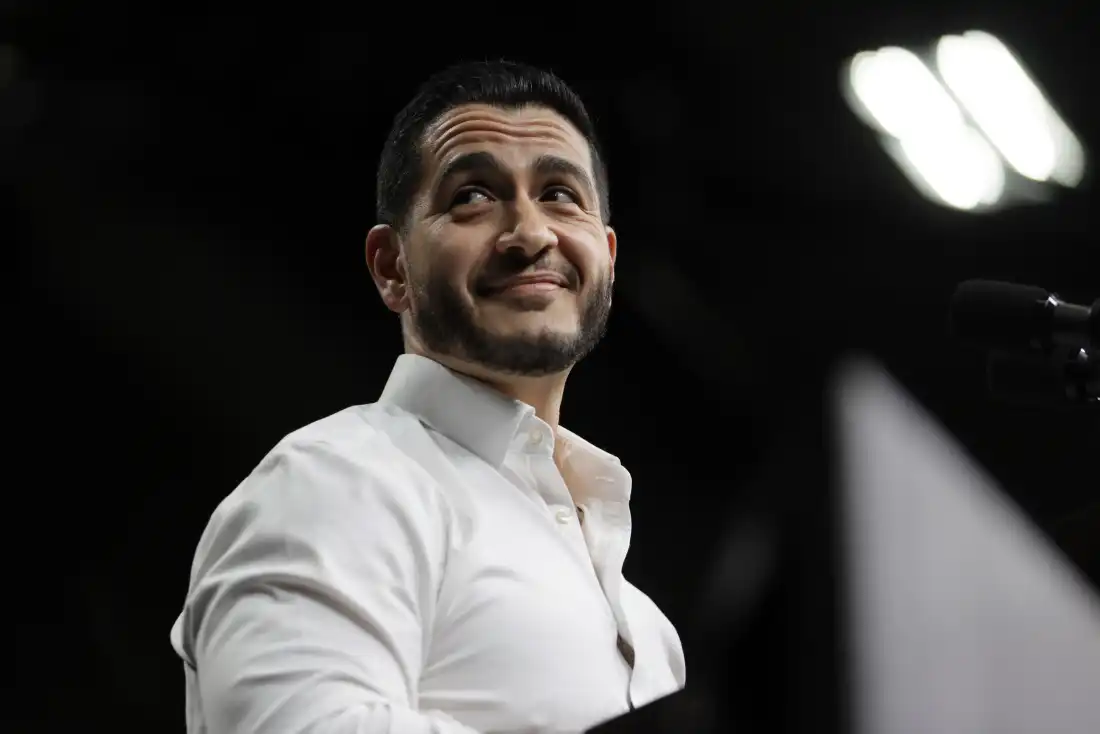
Election Day in Dearborn, Michigan, witnessed a significant voter turnout, with record numbers contributing to Abdul El-Sayed’s election to the Senate. Mayor Abdullah Hammoud commented on the event during an interview with Morning Edition.
Hammoud noted the appeal of El-Sayed’s platform, which focused on reducing monetary influence in politics and redirecting resources to citizens. This message resonated well with the working-class families of Dearborn, particularly those within the Arab American and Muslim American communities.
Dearborn’s political landscape saw a notable shift from the 2024 presidential primaries, where dissatisfaction with the Biden administration led many to vote for Trump. Hammoud explained that the change by 2026 was driven by El-Sayed’s narrative. The message that funds spent on international conflicts could instead improve domestic infrastructure and support families was compelling to residents.
El-Sayed’s election marks a historic moment as he becomes the first Muslim American to serve in Congress. His campaign faced ethnic and religious prejudice, including protests led by far-right activists. Despite these challenges, his victory underscores the belief in a diverse and inclusive America.
Hammoud emphasized the importance of candidates addressing the needs of working-class families, irrespective of religious beliefs. El-Sayed articulated this sentiment, separating his faith and ethnicity from economic and political challenges like high gas prices and corruption.
In conversation with NPR’s Leila Fadel, Hammoud discussed El-Sayed’s triumph over a financially strong opposition. He highlighted the effective engagement strategies used in Dearborn and the broader implications of anti-Muslim rhetoric.