
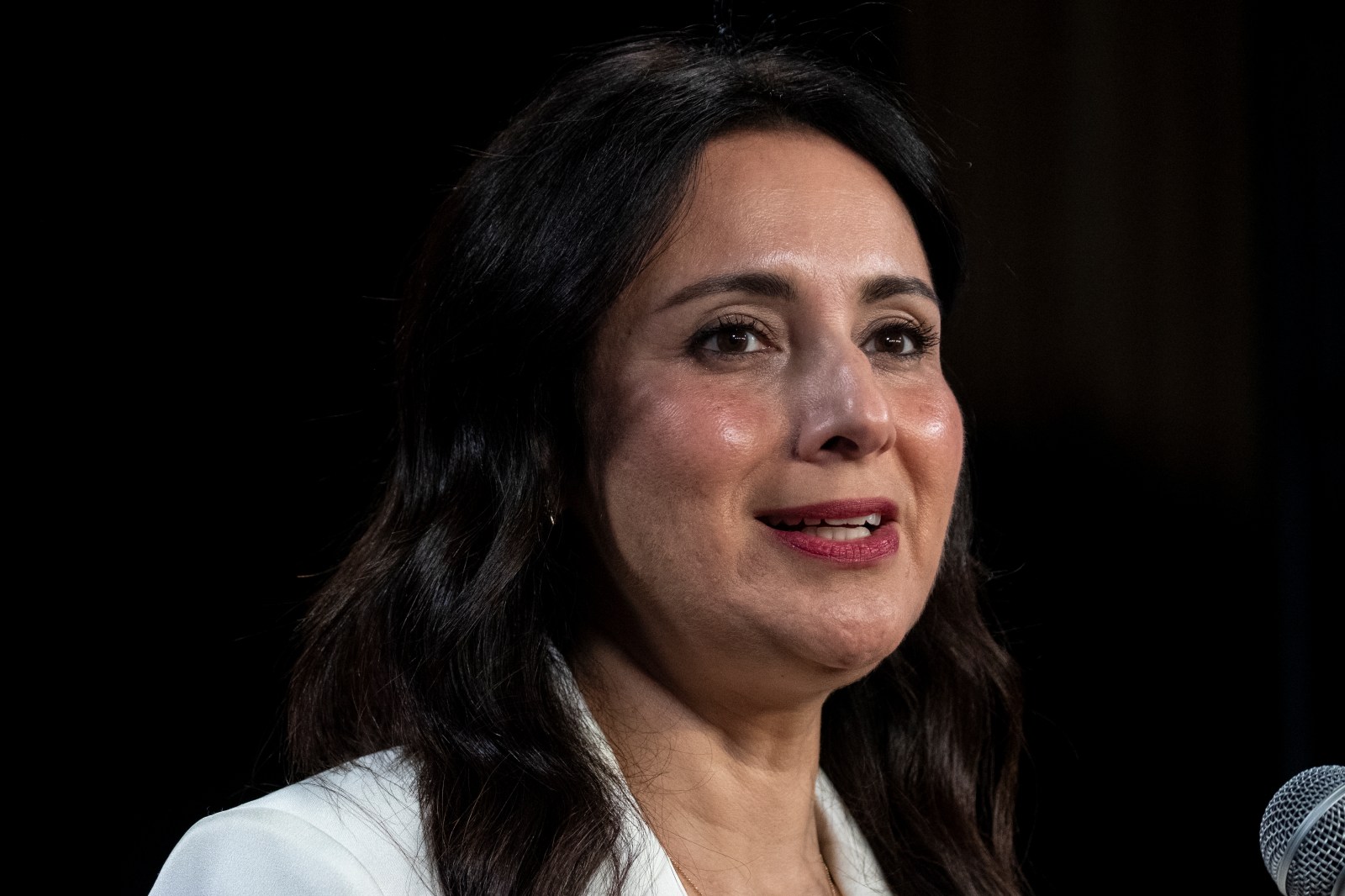
The Reverend Jeff Hood, a spiritual adviser to Texas death row inmates, has called on Governor-elect Gina Hinojosa to halt executions in the state. Hood, a staunch anti-death penalty advocate and founder of the Execution Intervention Project, expressed his appeal in a letter exclusively given to Newsweek. “You have one shot at being remembered as the governor of Texas who stopped executions,” Hood wrote.
Gina Hinojosa, a civil rights lawyer and legislator from Austin, made history by becoming the first Democrat to win the Texas governor’s seat in over thirty years. Her victory over three-term Republican Governor Greg Abbott contributed to significant Democratic gains, enhancing the party’s defenses against former President Donald Trump’s agenda.
Though Hinojosa opposes the death penalty personally, she plans to make decisions case-by-case. Texas has executed more people than any other state since the Supreme Court brought back the death penalty in 1976. Hood’s message arrives amid renewed examination of lethal injections, following Tennessee’s botched execution attempt of Christa Pike.
California Governor Gavin Newsom’s recent move to commute death row sentences is an inspiring example of moral leadership.
Hinojosa promises a new era for Texas. Hood believes that era must exclude the death penalty. Newsweek approached Hinojosa’s team for comments outside regular business hours.
In Hood’s Words
Hood began his November 4 letter by applauding Hinojosa’s historic victory. He described an execution’s emotional impact based on his own experiences. “The ground moves beneath you when witnessing an execution,” Hood shared, recounting Jamaal Howard’s recent execution.
Both Democratic and Republican governors have overseen executions in Texas, Hood noted. He emphasized the significant role Hinojosa could play in altering that course. Texas leaders traditionally evade intervention by attributing decisions to the Texas Board of Pardons and Paroles.
Actions to Consider
Hood urged Hinojosa to leverage her authority to delay executions. The governor can approve 30-day reprieves without the Board’s input. Hood suggested using this power extensively to slow the execution process.
He recommended appointing board members willing to advocate for life sentences. “Every governor has used the board as an excuse. It comprises seven individuals, chosen by the governor,” he explained.
Governors typically appoint board members for six-year, staggered terms, all subject to state Senate approval.
Hood advised disrupting the administrative process for executions. He suggested ceasing drug purchases necessary for lethal injections and emphasized broadcasting her stance clearly from the outset.
Although political repercussions may follow, Hood argued that inaction risks Hinojosa becoming like her predecessors — complicit in ongoing executions.
Gina Hinojosa on the Death Penalty
In an October CNN interview, Hinojosa clarified she wouldn’t rule out capital punishment entirely. “It’s important to evaluate cases individually,” she stated.
Despite personal opposition to the death penalty, Hinojosa feels her role as governor mandates a thorough review of each case.
Across the U.S., 35 executions have occurred this year. Florida leads with 19, while Texas has carried out seven. Alabama, Oklahoma, Arizona, Indiana, and Tennessee have also conducted executions.
Texas plans more executions soon, with John Rubio scheduled for November 12 and Reinaldo Dennes on November 19. Scheduled executions include two in Florida and one in Oklahoma. The military plans a firing squad execution at Fort Hood this December, though litigation might delay it.
The Pentagon had mentioned livestreaming Nidal Malik Hasan’s execution, but the idea was scrapped amid backlash.