
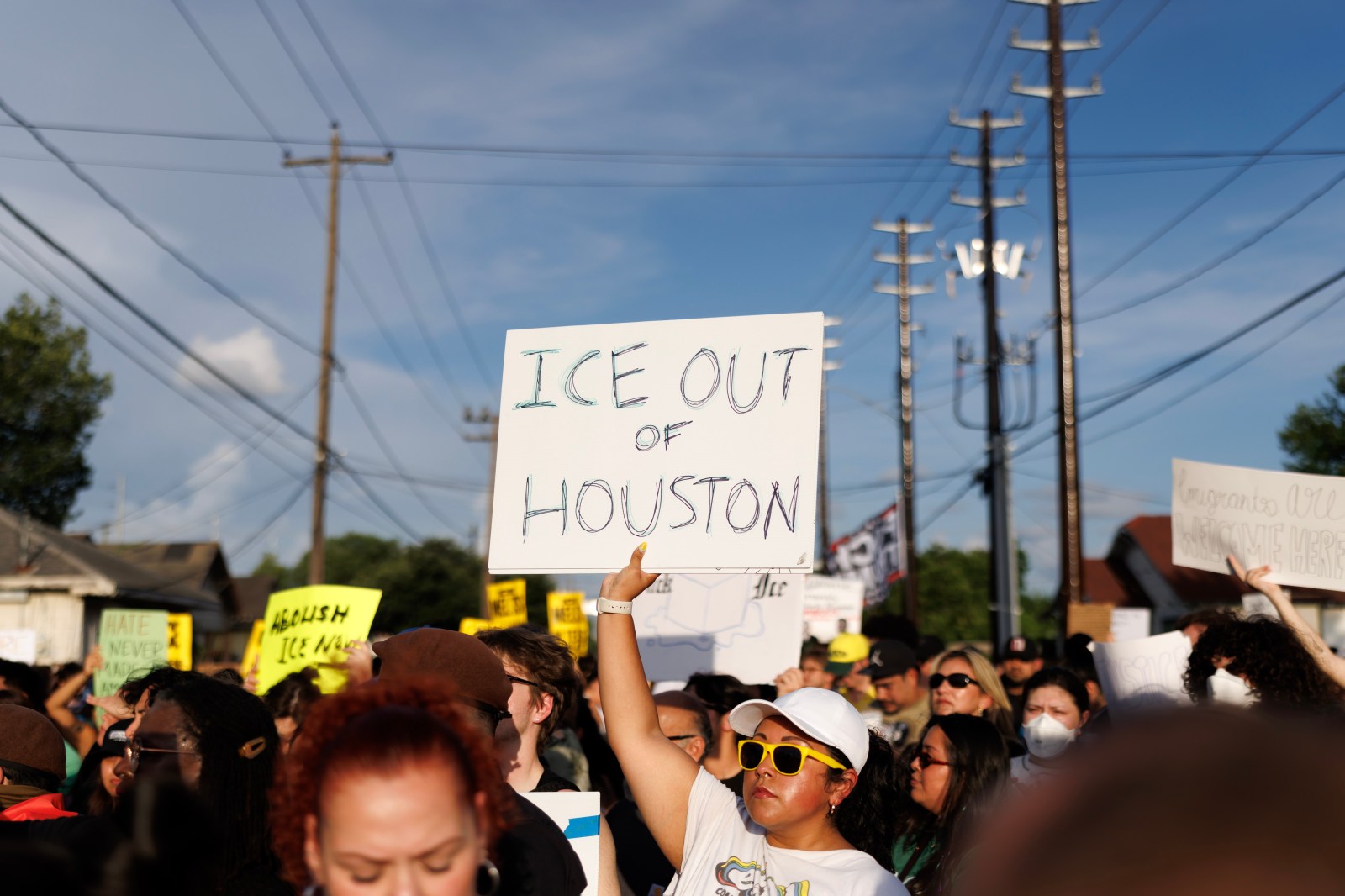
Two cities in Texas are taking action to limit how local law enforcement interacts with U.S. Immigration and Customs Enforcement (ICE) in the aftermath of midterm elections. Houston and Austin are spearheading these efforts through an executive order and planned administrative updates, respectively.
Democratic Gains in Texas Elections
Democrats won every statewide race in Texas, a traditionally strong Republican state, breaking a 30-year losing streak. Among the key victories, Democratic state Representative James Talarico defeated Republican Ken Paxton for a U.S. Senate seat. Additionally, state Representative Gina Hinojosa unseated Republican Governor Greg Abbott, becoming Texas’s first Latina governor.
Houston’s Executive Order on ICE
Mayor John Whitmire of Houston signed an executive order restricting the Houston Police Department’s interactions with ICE. Under this policy, officers will inform ICE only if an individual with an administrative immigration warrant is arrested for a jailable offense. The policy prevents officers from contacting federal authorities for administrative warrants in situations resulting in just a warning or citation.
“I do this to begin a healing process, reduce fear and anxiety across our community,” Whitmire stated during a news conference.
Mayor Whitmire hopes this approach serves as a model for other municipalities in Texas.
Austin’s Planned Policy Changes
Austin Mayor Kirk Watson directed the city’s Police Chief, Lisa Davis, to draft revisions to general police orders concerning federal immigration authorities. These changes must comply with state laws and undergo review by the city attorney.
Earlier this year, Austin revised its enforcement guidelines, allowing officers to report to ICE on administrative warrants, though not requiring them to do so without an arrestable charge.
Federal Incidents and Local Debate
Recent fatal incidents involving federal immigration officers have sparked debate. In January, U.S. citizens Renee Nicole Good and Alex Pretti were shot by federal officers in Minneapolis. In Houston, an ICE officer fatally shot Mexican national Lorenzo Salgado Araujo during an arrest attempt in July. Relatives and civil rights groups have called for independent investigations into these incidents.
The policy shifts in Houston and Austin reflect a broader movement among local governments to restrict local resources from being used for federal immigration enforcement during the intensified campaign under President Donald Trump.
Ellie Bis, a White House spokeswoman, criticized these policies, stating, “This will make Texans less safe.”
Legal Constraints in Texas
Texas Senate Bill 4, passed in 2017, limits the extent to which local jurisdictions can limit cooperation with federal immigration authorities. It prohibits cities from stopping law enforcement from assisting federal agents.
Houston’s new policy aligns with existing Texas laws by mandating officers to report to ICE when arresting someone on a jailable charge with an administrative warrant. Meanwhile, any changes in Austin will also need to comply with these state statutes.
Cities Nationwide Adopting Similar Measures
Cities outside Texas, such as Biddeford, Portland, Upper Darby, Philadelphia, and others, have enacted or strengthened rules limiting local involvement in federal immigration enforcement. These measures typically maintain cooperation as required by law but curb local resources from being used in federal operations.
As discussions on immigration policies continue, the reaction in Texas cities will reveal whether these post-election shifts signal a wider trend across the state.