
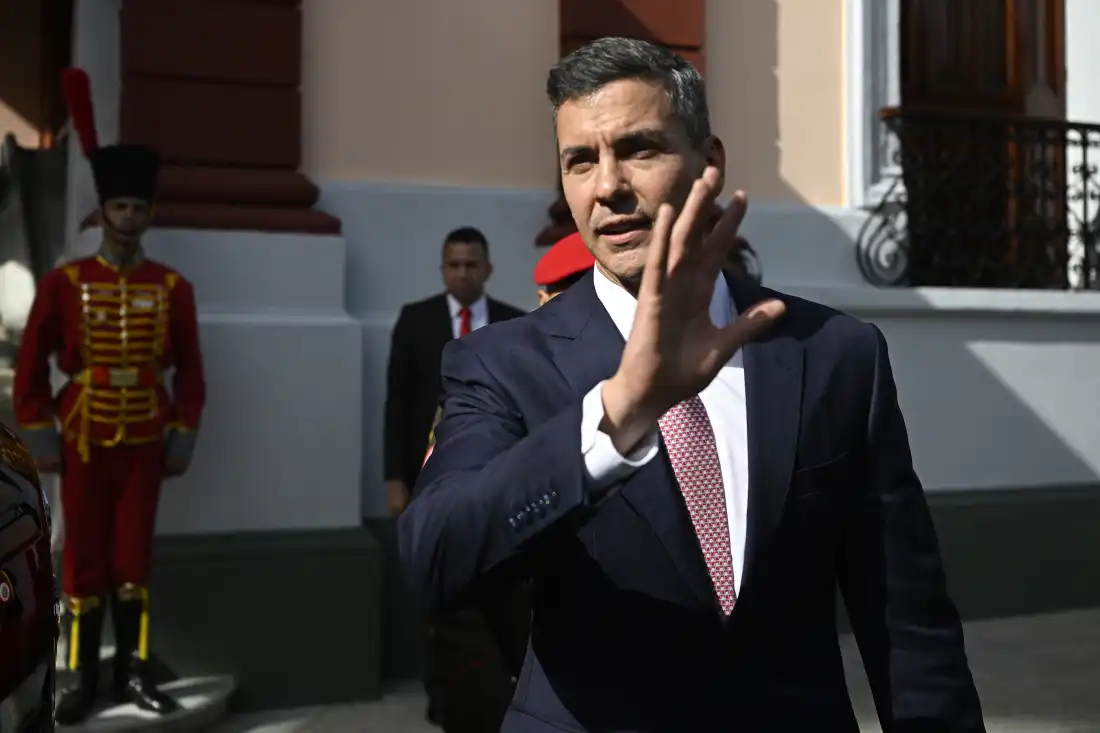
Paraguayan President Santiago Peña was impeached and placed under house arrest following the collapse of Ueno Bank. This significant event impacted millions in Paraguay, leaving them without access to their funds. Peña, known for his pro-market policies, was a shareholder in the bank, which serviced about 3 million customers—over half of the adult population in the country.
Ueno Bank had introduced many Paraguayans, over a million, to banking, offering services with attractive cashback on groceries. Despite Peña’s denial of any wrongdoing, he announced his resignation, which lawmakers rejected. They moved forward with impeachment procedures, and the Senate found him guilty of malfeasance in office. Subsequently, prosecutors charged him with a breach of trust and placed him under house arrest.
I want to apologize to the Paraguayan people if I have failed you,Peña expressed in a social media post.
The Vice President, Pedro Alliana, was sworn in to serve Peña’s remaining term until August 2028. He promised to address the financial losses suffered by the bank’s customers in his Friday speech.
The central bank took over Ueno Bank upon determining its solvency ratio was below legal requirements. The decision led to widespread protests in Asunción, the nation’s capital.
This development marks a significant shift in Paraguayan leadership, akin to the ousting of former President Fernando Lugo in 2012. The ramifications on the country’s political and economic landscape are notable.