
During the recent midterm elections, Florida with its Republican Governor Ron DeSantis, and South Dakota remained strongholds for the GOP in the face of nationwide Democratic gains. Both states managed to hold ground while others saw shrinking margins or shifts in control.
South Dakota’s Political Landscape
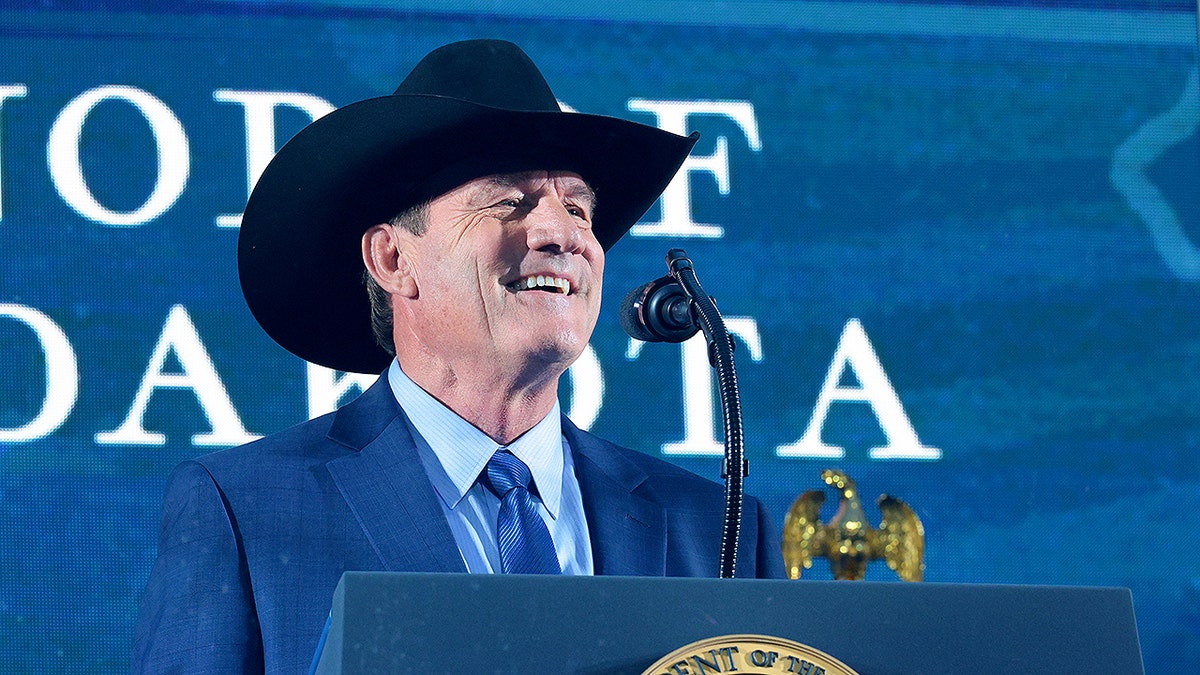
On election night, South Dakota stood out as a bastion for the GOP with Governor Larry Rhoden securing approximately 63.5% of the vote. This closely mirrored Donald Trump’s 2024 performance of 63.4%. Republican victories extended across other statewide races, maintaining dominance in the legislature despite Democrats gaining four seats in areas around Sioux Falls.
Democrat Dan Ahlers presented himself as a ‘conservative Democrat,’ focusing on issues like affordability, rural healthcare, and education. Despite his approach, Ahlers captured only 36.5% of the vote, underscoring the GOP’s commanding presence.
In contrast, other Republican-dominated states, such as Idaho and Wyoming, saw their Republican gubernatorial candidates win yet achieve lower voter shares than Trump’s prior success. This highlights South Dakota’s ability to maintain electoral steadiness.
Florida’s Experience in the Midterms
In Florida, Democratic nominee David Jolly, who previously identified as a Republican, campaigned on themes similar to Ahlers. His focus on affordability and healthcare reduced the GOP’s vote share to 50%, a six-point drop from their 2024 presidential performance.
Strategic Gains and Losses
Within South Dakota, the Democrats’ legislative gains occurred primarily around Sioux Falls, a growing city with a shift toward a less conservative mindset. Political scientist Julia Hellwege noted that this area’s changing demographics present more opportunities for Democratic influence. Additionally, opposition to large data-center projects resonated with some residents.
“South Dakota Republicans succeeded by addressing the critical issues impacting state residents and delivering tangible results,” stated South Dakota’s Republican House Speaker, Jon Hansen. “We focused on tackling relevant issues and delivering solutions, not just rhetoric or excuses.”
Key issues included implementing property tax cuts, regulating utility costs amidst data-center expansions, curbing corporate eminent domain, and balancing the state budget.
South Dakota’s economic indicators demonstrated positive trends, with unemployment hovering around 2% since last September, significantly lower than the national average. Average wages in the state increased by around 4% over 2025 despite rising rent costs outpacing wage growth.
Republican Fortitude Against Shifts
Republican Senator Mike Rounds achieved 60.5% of the vote at the federal level. However, nationally, the party faced challenges, reflected in South Dakota Attorney General Marty Jackley’s election, where he obtained around 64% of the vote, down from the previous Republican share of 72%.
South Dakota’s performance contrasted sharply with other Republican strongholds experiencing more significant losses. Notable Democratic gains included capturing 21 GOP-held state House seats in Texas and losing control of Republican state legislatures in several states like Arizona, Pennsylvania, and Wisconsin.
Republican leaders like South Dakota’s GOP House Majority Leader, Rep. Scott Odenbach, emphasized that their electoral success stemmed from aligning actions closely with promises made to voters.