
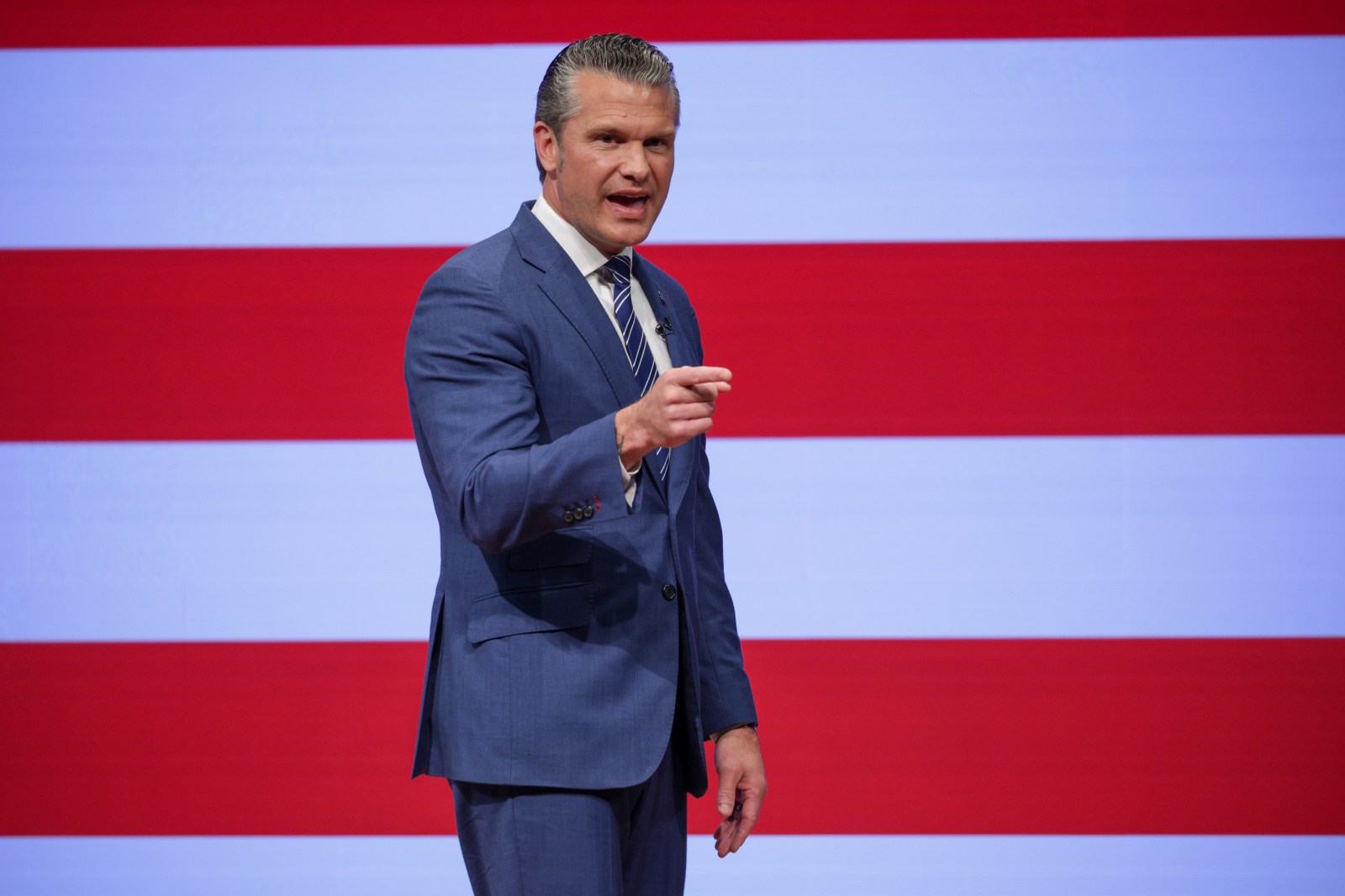
Defense Secretary Pete Hegseth is under increasing pressure for impeachment following Republican defeats in the midterm elections. Representative Thomas Massie, a Republican from Kentucky, plans to introduce impeachment articles as Congress reconvenes. Despite private discussions about Hegseth’s future, President Donald Trump publicly affirmed his trust in him, saying, “No, I think he’s doing a very good job.” The White House later confirmed the president’s confidence in Hegseth.
Reasons Behind the Impeachment Calls
Legislators calling for Hegseth’s removal have increased since the election results. Criticism centers on Hegseth’s handling of the Iran war, with a focus on a strike campaign against alleged drug vessels that led to at least 240 deaths. Republican Representatives Mike Rogers and Dusty Johnson expressed worries about Pentagon internal tensions.
Massie, who had introduced eight impeachment articles in September, intends to push for them again unless Hegseth resigns. He communicated to Roll Call that it is a “week one” priority for Congress’s upcoming sessions. Incoming House Armed Services Committee Chairman Adam Smith announced plans to investigate Pentagon decisions, while Democratic Representative Yassamin Ansari supports efforts for Hegseth’s accountability.
Democratic Representative James Walkinshaw announced on X, “Pete Hegseth has failed America and our service members.” Representative Jason Crow of Colorado also emphasized the importance of Hegseth’s ouster, calling it his “priority number one” before the elections.
Trump’s Defense of Hegseth
Following reports of private considerations about Hegseth’s role, Trump openly denied intentions to dismiss him when asked if Hegseth’s future was under examination. Trump rejected any speculation about appointing Hegseth to a Senate position.
Comparison to Donald Rumsfeld
Speculation about Hegseth has drawn comparisons to former Defense Secretary Donald Rumsfeld, who resigned shortly after Republicans suffered losses in the 2006 midterms amid Iraq War dissatisfaction. According to Peter Feaver, a Duke University political scientist, such changes after midterm elections are typical.
“Traditionally, Presidents look to make changes after midterms. Part of this is natural, with burned-out staffers who had planned to leave,” Feaver noted, highlighting post-election changes as a response to public opinion.
Feaver mentioned the limitations of the Rumsfeld comparison. While Rumsfeld’s resignation was tied to the Iraq War, Trump appears less interested in changing direction regarding Iran, evident from his remarks.
Background of Pete Hegseth
Hegseth, 46, once an Army National Guard officer and veterans advocate, became a key Trump supporter before his Pentagon appointment in January 2025. An alumnus of Princeton University, Hegseth served in Iraq, Afghanistan, and Guantanamo Bay. He led organizations like Vets for Freedom and joined Fox News in 2014, becoming a prominent conservative media figure.
Hegseth’s confirmation in the Senate was contentious, requiring a tie-breaking vote by Vice President JD Vance due to several Republican oppositions.
Controversies in Hegseth’s Role
Hegseth has been a divisive figure in Trump’s cabinet. His confirmation was clouded with personal conduct allegations and criticisms of his experience. As defense secretary, criticisms targeted his military politicization and handling of Middle Eastern operations. Supporters, however, credit him with prioritizing military readiness and executing Trump’s security policies effectively.
In recent controversy, Hegseth suggested the public could watch the execution of former Army Major Nidal Hasan. A Pentagon official later confirmed plans to livestream it, but Trump canceled the broadcast. Hegseth supported Trump’s decision, maintaining that the firing squad served as a deterrent whether broadcasted or not.
For more information, contact Newsweek editors Samantha Beech and Gray R. Thomas.