
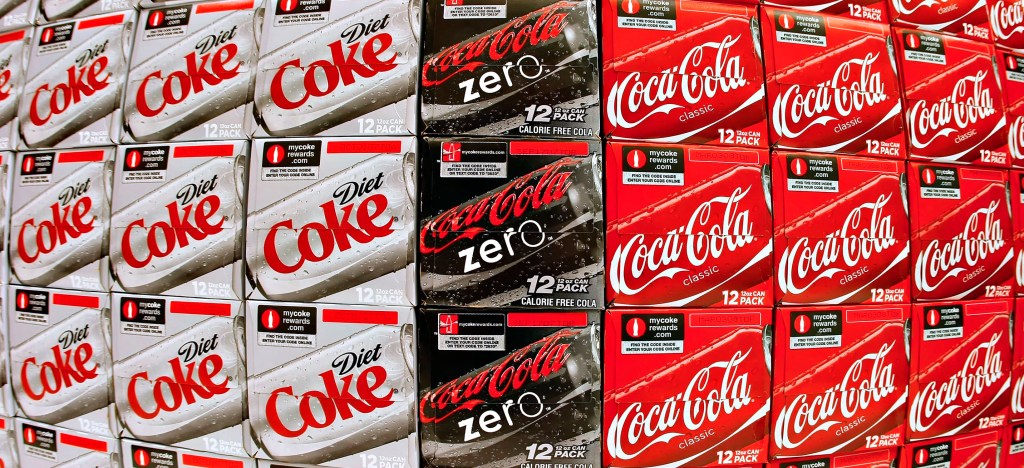
A rivalry is growing as Coke Zero Sugar aims to replace Diet Coke as the top sugar-free soft drink. Diet Coke, a beloved staple since its debut, finds itself challenged by its sibling. This change is influencing workplaces and social spots alike.
Rise of Coke Zero Sugar
Diet Coke has long been a favorite, from afternoon boosts at work to low-calorie mixers at night. It gained a loyal following over generations, with younger fans calling it a “fridge cigarette.” Yet, Coke Zero Sugar has gained significant ground, making up 52% of soft drink sales growth recently. While Diet Coke sales have remained steady, the two drinks now split enthusiasts. This growing divide prompted a unique taste challenge.
The Taste Test Challenge
The debate intensified during a simple lunch order. When asked for Coke Zero, only Diet Coke was available, sparking questions. A blind taste test in the office aimed to settle the differences. Colleagues debated the flavors before sipping, presenting theories ranging from Diet Coke’s metallic taste to perceptions of additional carbs. Some believed the differences were all mental, while others claimed distinct flavor profiles.
Participants approached the task with confidence, but many couldn’t tell the beverages apart without labels. Bucky and Heath correctly identified their choices, but others like Gabi and Ben struggled. Despite being regular consumers, some mixed up their preferences.
“Diet Coke has been a much-loved part of our range since the early 1980s,” stated a Coca-Cola spokesperson, differentiating it from Coke Zero Sugar, which mirrors Coca-Cola Classic’s taste, without sugar.
Marketing and Demographic Shifts
Coke Zero’s rise reflects in sales data. Coke Zero saw a 4.8% increase recently, following a 10% leap last year. Analysts suggest these drinks target different audiences. Diet Coke, with its silver cans, appealed to diet-conscious individuals, mostly women. Conversely, Coke Zero adopted black-and-red packaging, drawing male consumers through sports and gaming associations.
Both beverages offer zero sugar but vary significantly in branding and taste experience. As they compete for market dominance, their unique appeals continue to drive the conversation among consumers.