
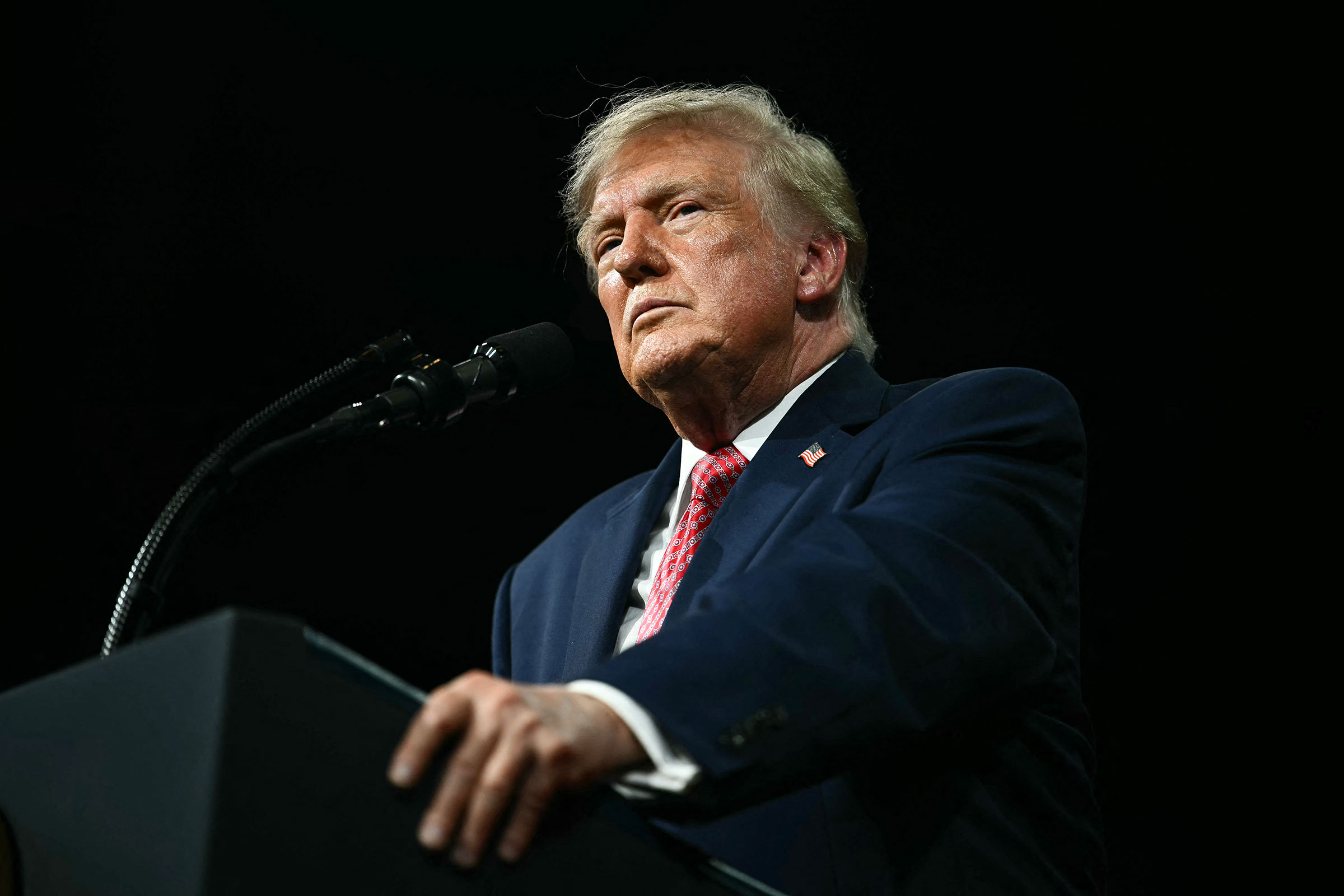
Donald Trump faced a major political challenge as he approached the Lincoln Memorial Reflecting Pool, where a botched renovation highlighted the missteps under his leadership. While addressing his supporters, Trump focused on construction projects, neglecting pressing issues like rising gas prices and international conflicts. His remarks were a departure from campaign priorities, much to the bewilderment of his aides and allies.
Throughout the campaign, Trump frequently strayed from important topics, making odd comments and losing focus on voter concerns. His speeches often included bizarre statements, diverging from the core issues affecting Americans. Republican victories were few, as Democrats gained significant ground in both the House and Senate. The President’s own candidates, including controversial figures in Texas and South Carolina, lost despite his backing.
The aftermath of the election forced Trump to admit defeat, blaming external factors like gasoline prices linked to tensions in Iran. Although his confidence remained high, he failed to acknowledge his role in the electoral outcomes. His aides noted a historical trend of midterm losses for Presidents, citing examples like Barack Obama and George W. Bush. Reflecting on past losses and gridlock, Trump appeared resigned yet unreconciled.
With a diminished political clout, Trump faced increased resistance. His traditional party dominance faltered, causing potential changes in GOP dynamics moving forward. An NBC News exit poll showed 43% of voters cast their votes largely as a disapproval of Trump’s policies. The President anticipated challenges regarding nominations and confirmations, yet his closest advisers predicted he would remain defiant and unyielding, furthering his confrontational approach.
Trump’s focus now shifted to foreign policy. He planned to assert influence in Latin America, eyeing competition with China and Iran. Yet, the internal constraints and checks on his authority were mounting, complicating efforts to push nominees through the Senate.
Despite initial reluctance, Trump authorized spending to assist struggling campaigns like that of Ken Paxton in Texas. His late push involved high-profile campaign events across the nation. However, controversies often overshadowed these efforts, with Trump making inflammatory remarks and endorsing unpopular foreign leaders, further straining perceptions.
Despite interventions, the outcome was unfavorable. Elon Musk’s significant funding failed to sway the electorate, and Republican attempts to rally behind Trump fell short. Voter dissatisfaction extended beyond economic issues, touching on corruption and ethical controversies within the administration.
As the election results confirmed a critical shift, Trump’s administration began preparing for the coming challenges. Despite the setbacks, his team speculated that Democrats might overreach, allowing Trump to portray himself as a persecuted figure rather than the author of his political struggles. The potential for new conflicts loomed as allies prepared for a wave of personnel changes, reshaping the inner workings of the White House.
The looming end to Trump’s presidency triggered debates about the future of the GOP and Trump’s enduring influence. Figures like Vice President J.D. Vance faced the challenge of distinguishing their political identity amidst a shifting landscape. The stability of Trump’s coalition, essential for his continued dominance, was at risk as former allies like Tucker Carlson and Marjorie Taylor Greene distanced themselves.