
The recent midterm elections resulted in a resounding victory for Democrats, who seized control of both the House of Representatives and the Senate. This shift in power comes after securing significant wins in traditionally Republican strongholds. Democrats achieved success by flipping Senate seats in states like Iowa, Kansas, Maine, North Carolina, Ohio, South Carolina, and Texas, with similar outcomes in House races.
Prominent Democrats, such as Chuck Schumer and Hakeem Jeffries, are now positioned to take the helm of the Senate and House, respectively. In response to the results, Jeffries expressed optimism, declaring, “America is back,” while Schumer remarked on the surprising nature of their victory, stating relief was imminent for Americans.
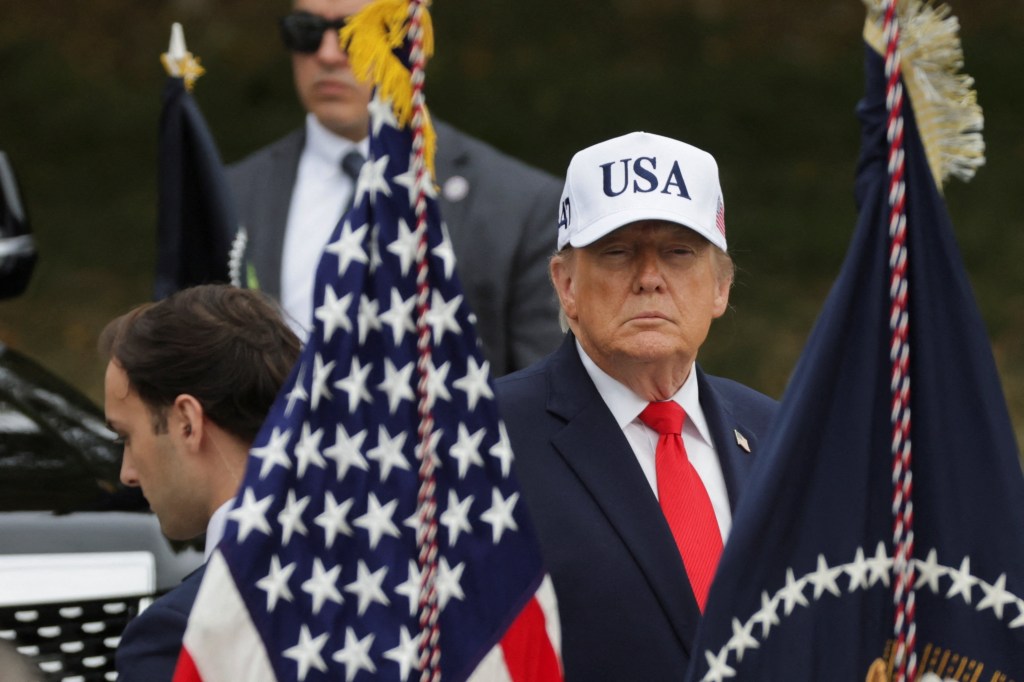
Meanwhile, President Donald Trump, who had emphasized the importance of the elections as if he were on the ballot, faced criticism. An Associated Press exit poll revealed that 62% of voters held him responsible for rising prices, while 71% believed Congress should do more to constrain the president. During a phone call with Fox News, Trump acknowledged the Democrats’ efforts, expressing a desire for bipartisan cooperation. He attributed voters’ discontent to the impact of the Iran conflict on energy prices rather than the decision to enter the war itself.
The midterm results have significant implications for the remainder of Trump’s presidency. Democratic victories ensure that investigations will continue, his legislative initiatives face blockage, and obstacles will arise in confirming new Cabinet members and judges. Many allies point to the Iran war as a key factor in the election outcome, citing its economic repercussions. Conversely, the White House blamed candidate quality, even though many of these candidates were endorsed by Trump.
These elections mark the first since 2006 where a party regained both legislative chambers. Due to slow vote counting, particularly in Alaska, where ranked-choice voting is in use, the full extent of Democratic victories remains uncertain. However, the outcomes in traditionally conservative Texas and Kansas, as well as gubernatorial races in Ohio and Texas, surprised many, with victories in Texas being especially noteworthy.
Trump took to social media to comment on the election, emphasizing that he was not on the ballot and suggesting a different outcome had he been. Despite his previous encouragement for voters in Iowa to consider him as a candidate, his favored nominees, including South Carolina’s Darline Graham and Texas’s Ken Paxton, were among those defeated.
Trump also discussed his intention to use his veto power against upcoming legislation and deal-making strategies in a podcast interview. Despite his resolve, the incoming chairman of the House Oversight Committee has advised Trump’s administration to prepare for legal scrutiny.
Historically low approval ratings preceded the elections, due in part to the cost-of-living issues fueled by the Iran conflict. This tension affected the Republican Party, with intraparty blame focused on the war and candidate selection.
Speaker of the House Mike Johnson acknowledged the challenges faced by Republicans, noting that retaining control in a midterm election is a rare occurrence. Despite GOP efforts, historical trends persisted, and the Democratic party succeeded in making significant gains.