
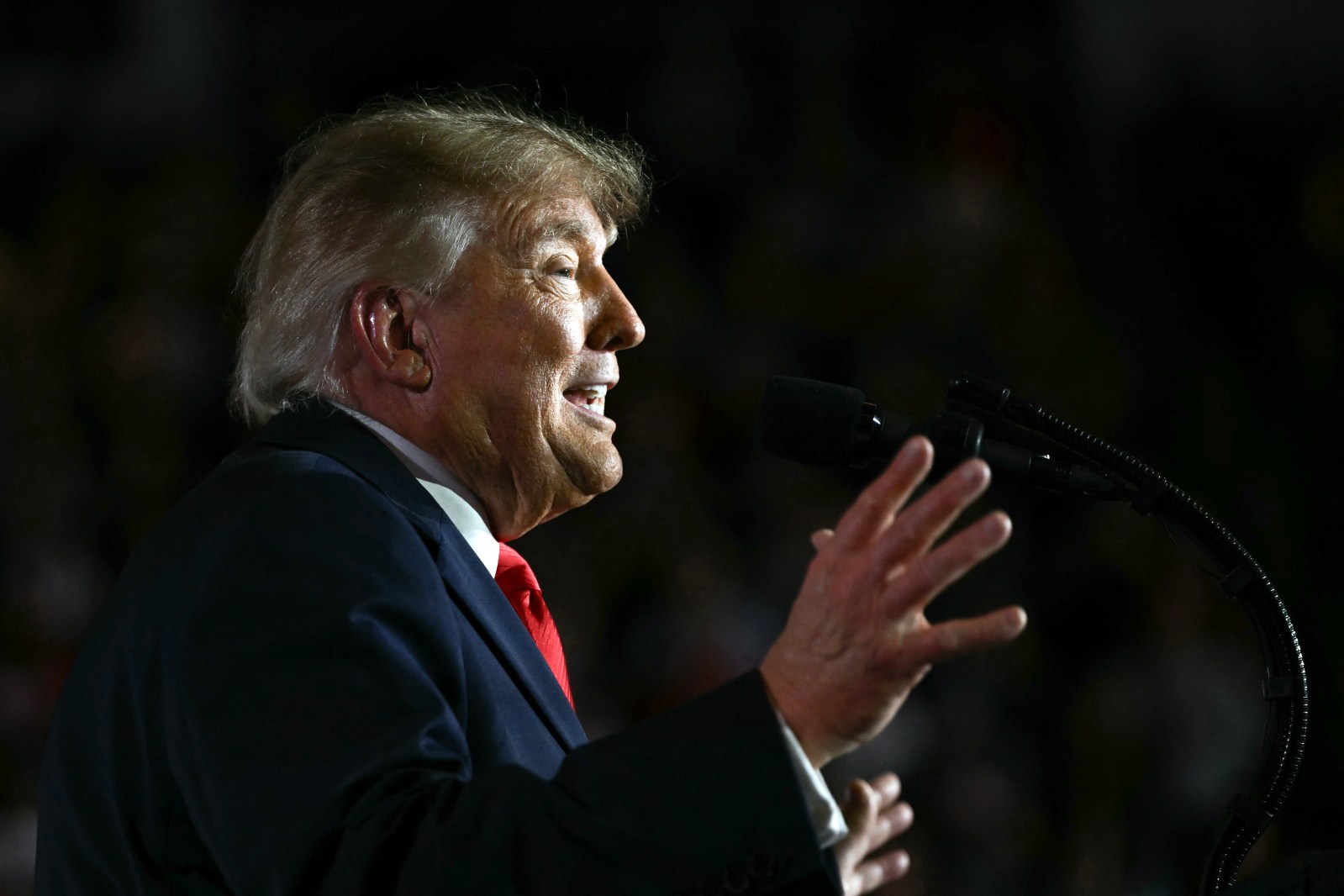
President Donald Trump indicated a willingness to mend ties with Canada as both nations prepare for trade negotiations. This development comes as economic issues in the U.S. become pivotal in the lead-up to Tuesday’s midterm elections.
Canadian Prime Minister Mark Carney revealed on X that he had discussed with Trump the potential resolution of their prolonged trade conflict. Officials from both countries are ready to resume talks.
Trump confirmed the exchange, stating that an agreement might be possible after months marked by tariffs and disagreements, which have strained the bilateral relationship. He emphasized a hopeful tone, suggesting that progress could benefit both nations.
The timing is crucial for the president. Americans are voting in large numbers with the election on November 3, with the cost of living among top voter concerns. Trump’s approach to the economy has faced growing criticism. His tariffs, intended to protect U.S. industries and improve trade terms, have adversely affected U.S. businesses reliant on cross-border commerce.
Carney described his discussion with Trump as productive. They talked about reaching an agreement that would create jobs, make living more affordable, and safeguard Canadian sovereignty. “Our teams will now be working in the coming weeks to deliver that outcome,” Carney shared.
In Iowa, Trump expressed optimism, stating, “We have the concept of a very good deal with Canada.” He hinted at an agreement that could support American farmers and suggested the possibility of reviving the Keystone XL oil pipeline.
Despite active media coverage, no agreement terms have been disclosed, with negotiations likely extending past the election. This dialogue marks a shift from the previously confrontational dynamics between Washington and Ottawa this year.
The Trade War and Its Impact
Canada exited talks in August after dismissing U.S. demands that Carney claimed threatened Canadian sovereignty, French-language protections, and the automotive industry. Subsequently, Trump enforced a 50% tariff on about $20 billion of Canadian goods, leading to retaliatory actions from Canada.
The dispute impacted both nations. Many U.S. manufacturers rely on Canadian components for production, while exporters depend on Canadian buyers. Tariffs heightened import costs, and Canada’s retaliatory duties inflated prices for some American goods.
The repercussions were pronounced in key midterm battlegrounds such as Michigan, where the automotive sector depends heavily on cross-border operations. The trade conflict also emerged as a campaign issue in states like Maine.
Political Implications for Tariff Easing
For Trump, de-escalating tariff tensions comes amid political challenges. A Reuters/Ipsos poll from October 26 showed the president’s approval at 32%, with 73% of respondents indicating dissatisfaction with the cost of living trajectory. The survey also placed Democrats ahead of Republicans among registered voters, 47% to 36%.
Official data highlights the economic strains on American families. Consumer prices rose 3.7% year-over-year to September, with a 9.1% increase in gasoline prices for the month, as reported by the Bureau of Labor Statistics. Consumer confidence has waned, with the University of Michigan’s index dropping to 48.0 in October, compared to 53.6 a year earlier.
Trump has consistently argued that tariffs bolster U.S. manufacturing, preserve jobs, and provide strategic negotiation leverage. However, these measures have led to higher costs and uncertainty for U.S. firms, particularly those with supply chains extending into Canada. A potential agreement with Ottawa could alleviate some of these pressures, though the concessions each side may offer remain uncertain.
Despite the president’s positive rhetoric, Canada is increasingly exploring trade options beyond the U.S. Carney has committed to doubling Canadian exports outside the U.S. over the next decade. Nonetheless, Canada’s economy remains closely linked to the U.S., with approximately 70% of exports heading south. Whether Trump’s softer stance will culminate in an agreement with Canada remains to be seen.