
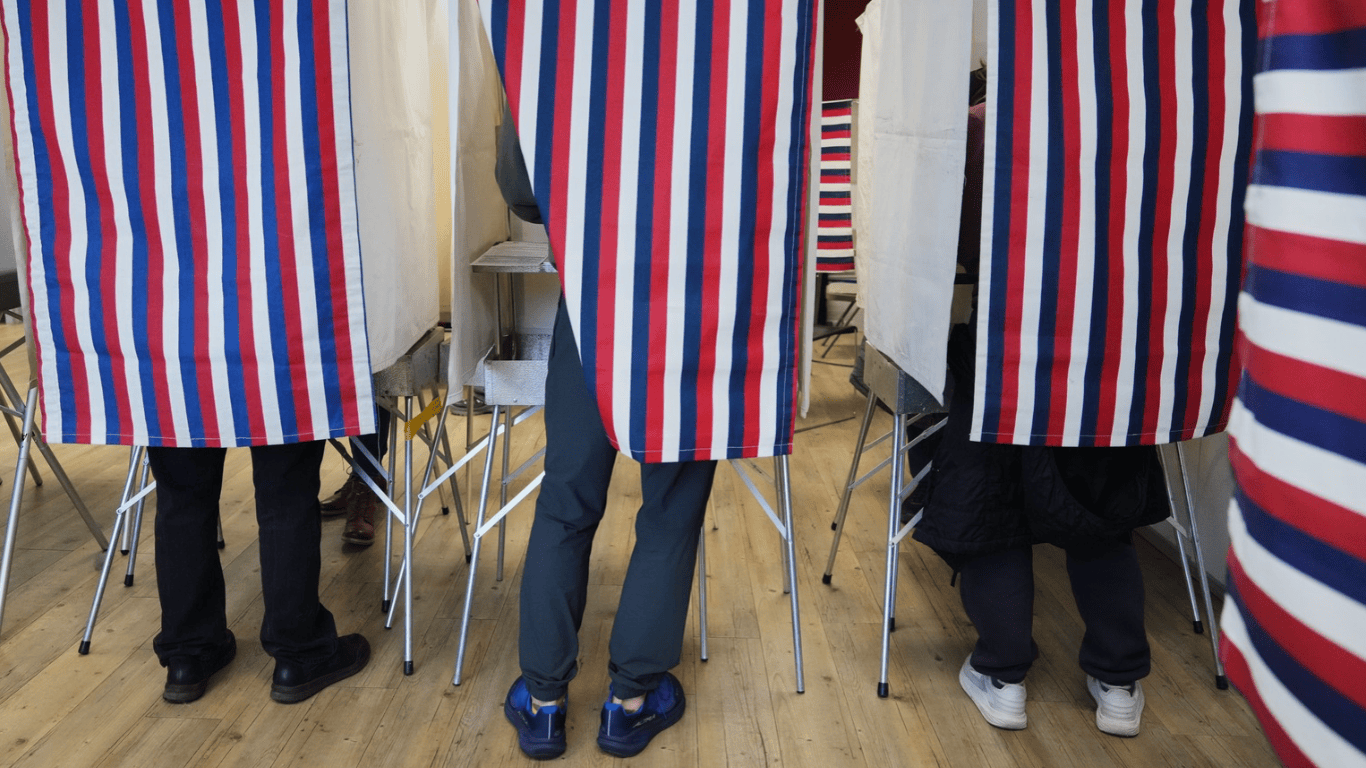
For nearly two decades, Thomas Evans played an essential role in facilitating voting in Nanwalek, Alaska. He assisted in establishing voting booths and greeted neighbors during elections. Back then, the community saw high voter turnout. Now, Nanwalek lacks a regular precinct polling place on Election Day.
“There’s no polling place anymore,” Evans expressed to Newsweek. “It has severely affected our village’s ability to provide a reliable vote count.”
Nanwalek is one of 18 rural Alaskan communities included in a lawsuit filed recently. The suit accuses the state of advertising in-person voting sites that were never opened. Most affected are Alaska Native villages only accessible by air or sea. The legal proceedings are set to begin in court just a day before the polls open for a tight U.S. Senate race.
Lawsuit Allegations
The legal action, Midnight Sun Independence Fund v. Dahlstrom, was filed in Anchorage Superior Court. It challenges Lt. Gov. Nancy Dahlstrom, Division of Elections Director Carol Beecher, and others. The lawsuit claims that closing promised voting sites without notice infringes upon voting rights and due process, as guaranteed by the Alaska Constitution.
A related lawsuit by the Alaska Democratic Party and rural state lawmakers argues the closures violate a federal consent decree requiring Yup’ik language assistance. The court is asked to mandate opening all listed sites.
In rural Alaska, absentee in-person voting enables voters to receive ballots locally before submitting sealed votes for counting later. The complaint reports that 18 sites listed on the division’s website were inactive as of Oct. 19. Reports indicate failures in ballot distribution, instructions, and training.
The state, however, contests the allegations. They claim that many sites confirmed they were operational. Ballots were reportedly dispatched to absentee voting officials in numerous communities across Western Alaska.
Impact on Nanwalek Voters
The lawsuit focuses on Nanwalek, which lacks a regular precinct for the 2026 general election. If absentee sites remain unavailable, residents must travel to Tyonek to vote, incurring significant time and financial costs. Evans explained a trip may cost about $200, requiring flights and travel across long distances.
Evans recalls the vanished polling place led to reduced turnout and confusion over the lack of information provided to residents. He notes ballots are now mailed to homes but can easily be overlooked amid the community’s subsistence lifestyle. Mail delivery delays due to weather further complicate voting by mail.
The claim states that if an absentee site opened, it was significantly delayed. On the other hand, the state’s website lists conflicting start dates. Such discrepancies underline the need for verified information on polling site openings.
Voter Influence in Tight Elections
The closures are notably significant given the closely contested Senate race between Mary Peltola and Republican Sen. Dan Sullivan. The political environment in Alaska underscores how even a small number of votes can influence election outcomes.
A recent federal lawsuit aimed at blocking vote certification if Sullivan loses was dismissed. The case centered on potential voter confusion due to similarly named candidates, with an appeal planned by the Justice Department.
Pending Court Decisions
Newsweek has reached out to the Division of Elections, seeking clarity on site operations and voting assignments for Nanwalek. The division remains silent on ongoing litigation, directing inquiries to their listings for voting sites.
As the legal hearing proceeds, the potential for reopening sites remains uncertain. Even if ordered, the window for reopening would be narrow, offering scant opportunities for increased voter participation.