
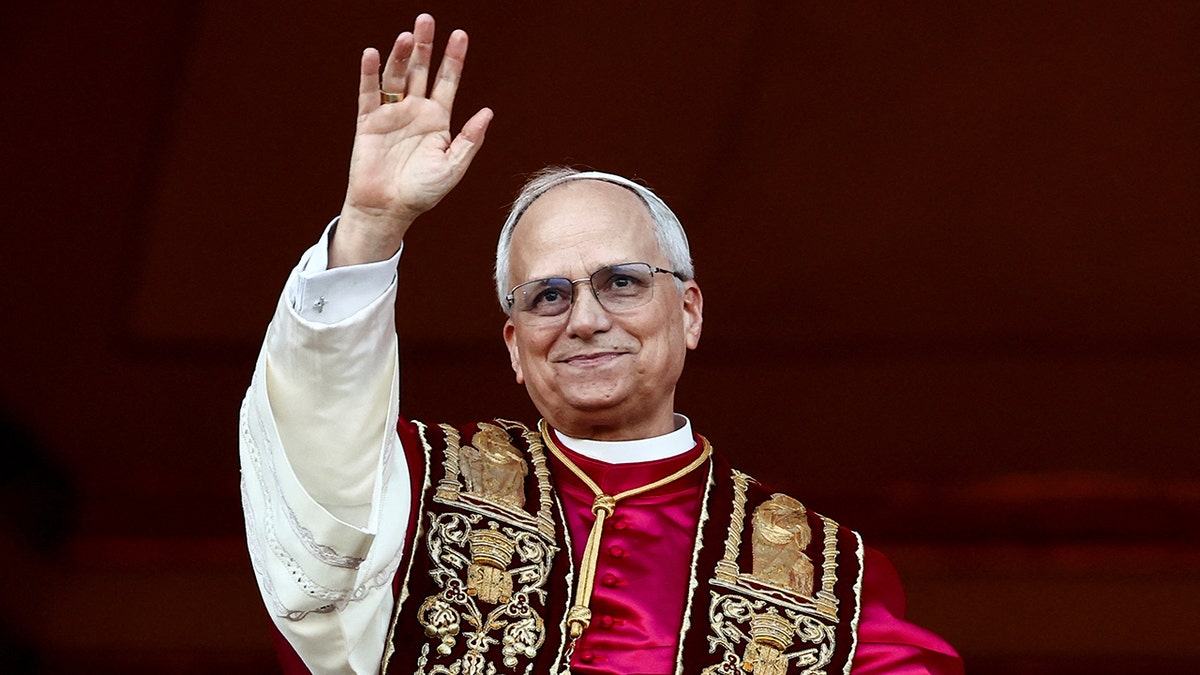
In a surprising historical moment, Pope Leo XIV, born Robert Prevost, actively participated in a U.S. election. Although serving as the head of the Vatican—a recognized foreign state—Pope Leo maintains his status as a U.S. citizen, allowing him to cast votes within the United States. This participation marks the first occasion of a pope voting in a U.S. election.
Pope Leo XIV, originally from Chicago, exercised his voting rights by sending an absentee ballot to Will County for the governor’s race, including incumbent Democrat J.B. Pritzker. The Will County clerk’s office confirmed this action, highlighting an unusual scenario wherein a foreign state’s leader engages in U.S. domestic electoral activities.
The Implications
There are broader implications of this decision. While the Holy See allowed Pope Leo XIV to maintain his U.S. citizenship, it raises questions about the intersection of nationality and leadership in separate nation-states. According to the Holy See’s long-standing practice of civic participation, the Pope received confirmation to exercise his voting rights, showcasing his unique dual citizenship status.
Typically, the U.S. State Department views dual citizens as subjects to the laws of both countries, requiring them to use a U.S. passport while entering the country. This situation poses intriguing questions about how Pope Leo navigates international travel as a state leader.
Dual Citizenship Debate
The case of Pope Leo XIV touches upon the controversial topic of dual citizenship. The Uniformed and Overseas Citizens Absentee Voting Act (UOCAVA) grants voting rights to military personnel and citizens abroad. However, it poses questions regarding those who hold high positions in foreign governments.
The State Department acknowledges that dual citizenship involves potential conflicts between the laws of the respective countries. Despite this, Pope Leo retains his dual status without relinquishing his U.S. citizenship upon becoming the head of the Holy See.
The Vatican allows for national citizenship with other countries while electing popes from the global community of cardinals. Cardinal Appointments involve pledging adherence to the Apostolic Constitution and affirming independence from external pressures.
This unusual occurrence prompts consideration of whether such dual citizenship arrangements should be revised, especially concerning foreign state leaders.
Historical Context and Public Reaction
Pope Leo XIV’s lineage traces back to Chicago, where his roots and allegiance, including sports affiliations, remain strong. His prior interactions with Illinois politics, such as meeting Gov. Pritzker, underline his dual role as both foreign leader and Illinois constituent.
The heartening reception of the first American pope touches personal stories of faith, even as the unusual dual citizenship of Pope Leo XIV ignites discussions on its appropriateness. While many cherish the historic papal election from the U.S., a cautious outlook exists towards potential complications when a foreign head of state also possesses U.S. national rights, especially voting.
Ultimately, though Pope Leo XIV emphasizes choosing not to take sides in U.S. elections publicly, his voting reveals his civic involvement.
Jonathan Turley, a recognized legal scholar, addresses these constitutional and statutory challenges, encouraging thoughtful dialogue without immediate political contest.