
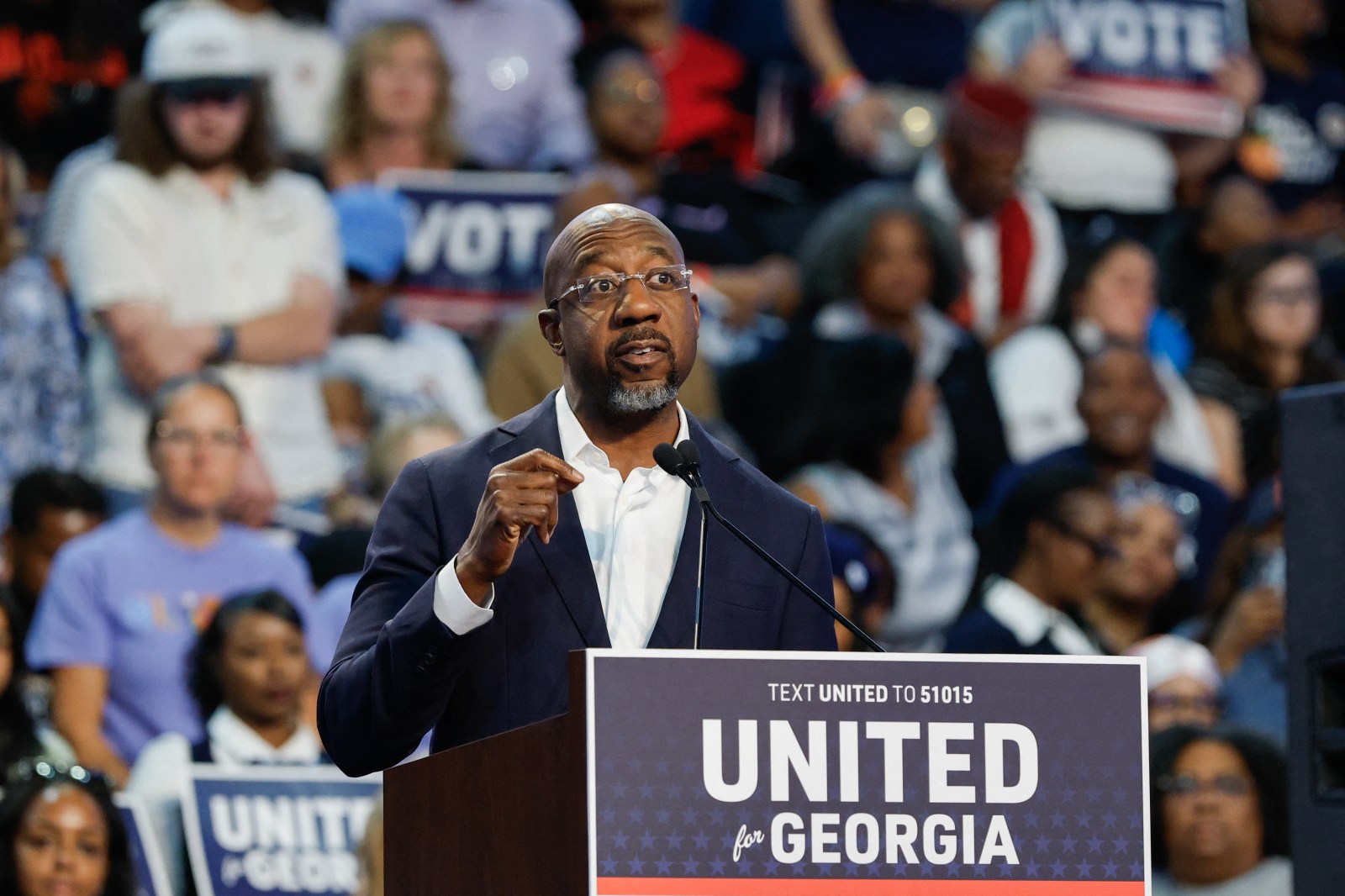
Jon Ossoff’s first Senate reelection presented a challenging scenario. Georgia’s recent Democratic wins marked a shift in political trends, highlighting Ossoff’s initial victory through a runoff. His bipartisan record and wide support base propelled him to prominence. A weak opponent further boosted his political career, reflecting similar circumstances in 2022 with Senator Raphael Warnock’s campaign.
Speculation about Ossoff’s potential 2028 presidential run has been a prominent topic in this Midterm cycle. However, it has somewhat overshadowed Warnock’s national presence. On platforms like Kalshi, Ossoff holds a 14 percent chance of winning the Democratic Presidential Primary, trailing only California Governor Gavin Newsom. In contrast, Warnock’s odds stand at two percent. A comparable trend appears on Polymarket.
If Ossoff achieves a significant victory in the midterms, calls for his presidential candidacy will likely get louder. His media presence and focus on corruption appeal to many Democrats seeking a counter to Trumpism. Yet, Ossoff has clearly expressed his disinterest in a presidential bid, asserting his commitment to serving his Senate term. During an October debate, he stated, “I have zero interest in running for president. I’m not running for president. I’m running for reelection to the Senate.”
Despite his firm statements, parallels with former Democratic Presidents like Barack Obama and Bill Clinton, who made similar pledges, keep the debate alive. Media outlets speculate on Ossoff’s potential rise to candidacy, fueled by strong election performances.
However, conversations with Georgia political insiders suggest that Warnock’s potential presidential interest influences Ossoff’s stance. A Georgia strategist revealed that Ossoff’s declaration likely respects their relationship. Both senators share a bond, often referring to each other as “brother,” indicating that their decision to run might depend on the other’s actions.
Ossoff’s earlier political fame rose from his participation in the 2017 House race. On the other hand, Warnock’s influence has been long-standing, especially among Georgia’s African American community, as he continues as a senior pastor at Ebenezer Baptist Church. During the 2020 elections, Warnock and Ossoff’s campaigns were closely linked.
Should both consider a presidential bid, they risk dividing their voter bases. While Ossoff remains clear in his current focus, Warnock has not ruled out a potential run. He stated that serious conversations with his family have not taken place yet but hinted at a forthcoming campaign decision.
A Georgia Democratic leader noted that Ossoff might defer his decision to Warnock, acknowledging the seniority and respect they share. Ossoff, at 39, has more time politically, but personal commitments also play a role in his current decisions.
Ossoff’s rise in politics partly attributes to his dedication. Launching a presidential campaign amid Warnock’s contemplation could alter public perception in Georgia. However, some in the Democratic Party believe either senator could build a strong coalition independently.
The midterm results will shape the political landscape, influencing both senators’ future decisions. Besides their potential ambitions, the outcome of Keisha Lance Bottoms’ gubernatorial race in Georgia could also impact Democratic strategies. Should a Republican governor succeed, it risks altering the political balance should either senator seek the presidency.
Building robust southern support is essential for either senator to ascend as a frontrunner. Diverging interests or acrimonious competition can hinder this. Yet, their political futures appear promising, with allies seeing presidential potential in both.
Until Warnock makes a clear decision, Ossoff might focus on his Senate role, finding fulfillment in legislative efficacy. As Vasu Abhiraman, a voting rights attorney, suggests, Ossoff could leverage his Senate position to effectuate bipartisan relations and maintain political relevance.