
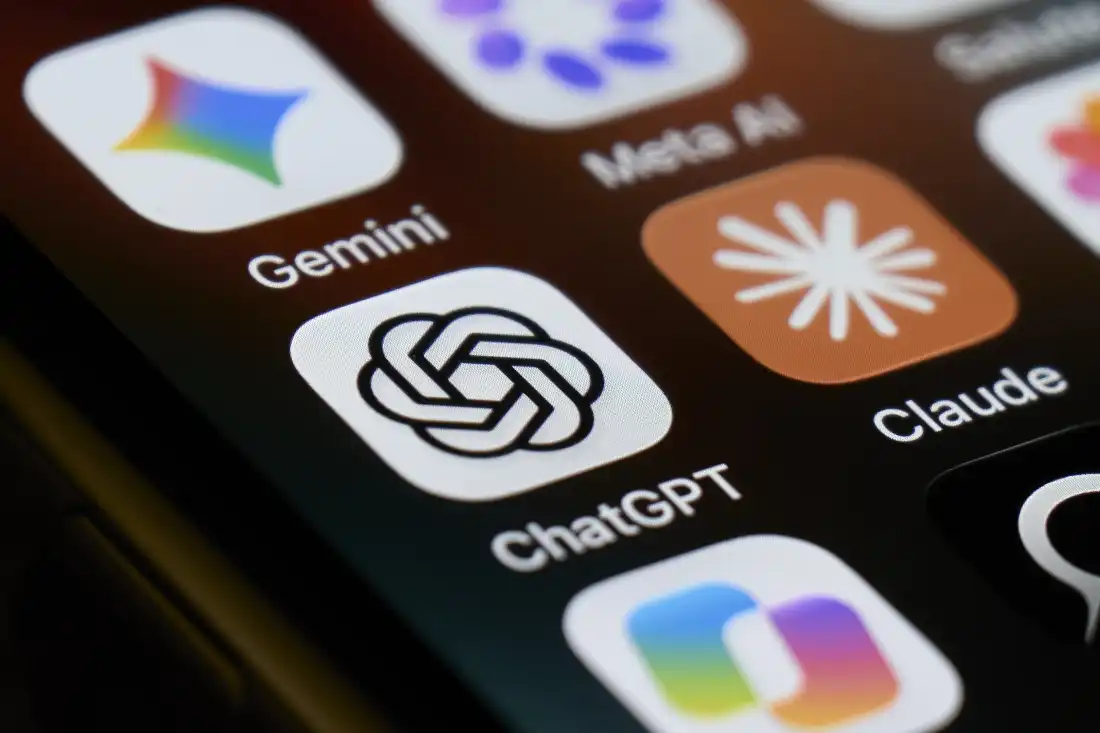
AI chatbots have become a common part of life for young Americans, according to survey data from Common Sense Media. The research found that nearly 50% of children aged 9 to 12 have interacted with an AI chatbot or companion, a number that rises to nearly 75% by age 13.
This trend is further highlighted by two surveys showing that about two-thirds of tweens and teens use AI chatbots. While these tools assist with schoolwork, companionship, and emotional support, certain uses are linked to negative mental health outcomes.
A survey by Common Sense Media indicates that AI usage begins years before the minimum age of 13, which is suggested by most popular chatbots. By age 13, nearly three-quarters of children have interacted with chatbots.
Another survey by the JED Foundation involved 5,500 children aged 9 to 17. It found that 90% had used AI chatbots. Two-thirds of respondents turned to these tools for educational help and emotional support during times of stress or anxiety.
Developmental psychologist Anne Maheux, from the University of North Carolina, Chapel Hill, notes the rapid increase in AI usage among young people. “Recently, the technology was scarcely used,” she remarks. “Now, many are using it for both educational and emotional support.”
Examples of this trend are seen with students like Arjun Sharda from Round Rock, Texas. At 15, he utilizes tools like ChatGPT and Google’s Gemini for studying and understanding educational content outside the classroom. McKenzie Craig, 17, also uses chatbots for organizing tasks and receiving feedback on her assignments.
However, the surveys have raised concerns. Research from the JED Foundation shows that youth using AI when emotionally distressed report poorer mental health outcomes. These findings indicate a correlation between chatbot use and mental health issues, although a direct causal link is not established.
Kayla Anderson, a psychologist and vice president of research at the JED Foundation, underlines the need for caution. While AI use during distress correlates with mental health challenges, it is unclear if AI contributes to them or if those experiencing difficulties are more likely to seek AI assistance.
Preliminary data by other researchers, including Maheux and her team, suggest a two-way link between AI use and mental health challenges. Students using chatbots for companionship reported increased loneliness over time. Similarly, adults dependent on AI for emotional support encountered worsening mental health.
A potential explanation for these findings is that AI might temporarily relieve distress, but dependence on technology could hinder the development of coping skills. This reliance might result in deteriorating mental health in the long term.