
Jacksonville, Fla. – The steep ramp did not deter Rachel Dues, determined to bring her niece to the polls. Despite physical challenges, Dues, at age 54, insisted on voting, showing commitment to what she deemed significant.
The midterm election holds existential importance for Dues. Surges in gas prices and rent, along with daily expenses, have heightened concerns over budgeting. Political discussions about affordability find literal representation in Florida’s ballot through Amendment 3.
Amendment 3 aims to reduce property taxes by increasing exemptions. It proposes raising the allowable exemption from $50,000 to $250,000 over two years.
This potential saving appeals to homeowners strained by economic pressure, potentially curtailing billions in local government revenue. However, in a state known for its tax aversion, critics argue public services and infrastructure will suffer, affecting many reliant on these resources.
Steven Johnson of Florida Rising raises the question, “Affordability for who?” While other states explore property tax cuts, Florida’s approach raises concerns about implications for public funding.
Personal Stake and Public Debate
For Dues, a veteran and closing agent, the amendment feels personal.
“I’m resourceful,” states Dues, emphasizing reliance on food pantries and services amidst concerns these may diminish.
Worries extend to law enforcement and emergency medical services, with debates drawing lines between necessary cuts and waste elimination.
Local leaders highlight potential consequences beyond the immediate categories, affecting libraries, infrastructure, and community programs.
Grassroots Efforts Against Amendment 3
Homeowner Maggie Fernandez exemplifies those mobilized against the measure. Highlighting broader communal implications, she emphasizes detrimental impacts on local services.
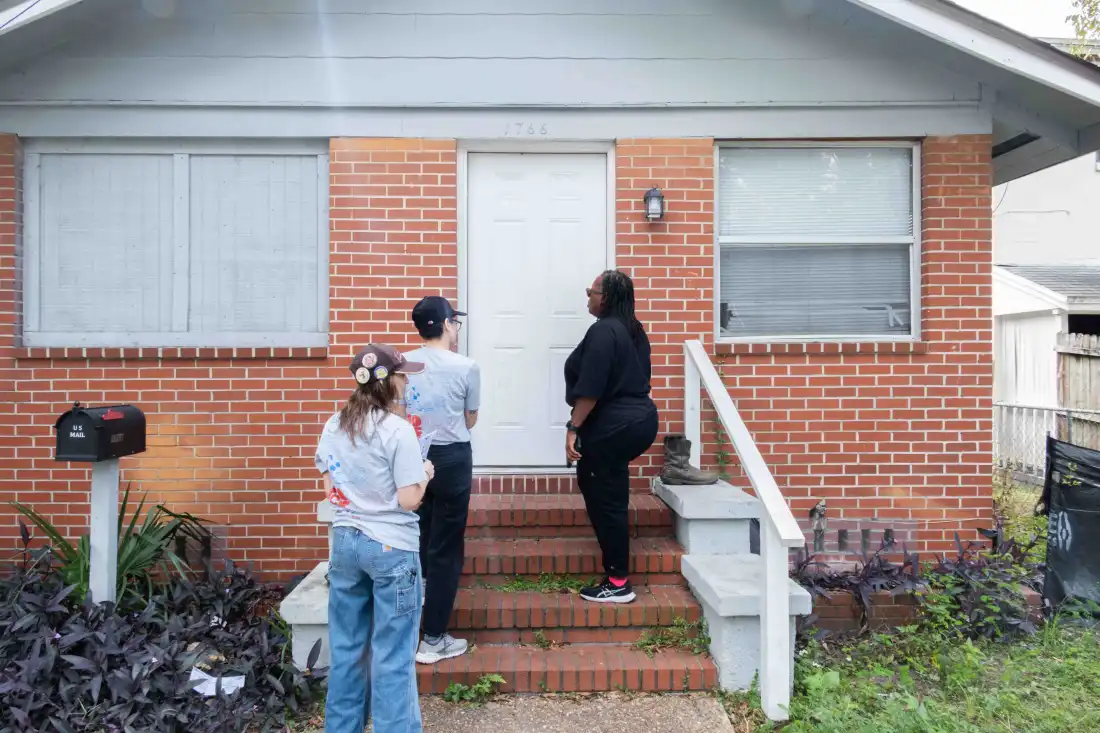
Florida Rising volunteers, including Fernandez, actively phone bank and canvass to communicate the potential risks Amendment 3 poses.
“Amendment 3 may lead to cuts in local services like flood prevention and road maintenance,” Dues warns neighbors.
As early voting progresses, efforts intensify to educate voters, stressing the gravity of informed voting decisions.
Long-Term Concerns of Amendment 3
Dues articulates doubts regarding public awareness, recounting personal reliance on city-funded programs. Amid concerns about long-term sustainability, emphasis remains on comprehensive understanding beyond immediate savings.
Renters and smaller stakeholders may inherit increased burdens, prompting deeper reflections on survival resources post-amendment.
To pass, Amendment 3 requires a supermajority—60% voter approval.
Conversations reiterate vigilance at communal services, stressing shared responsibility in broader social implications.
At a food bank, Dues extends outreach beyond typical political settings, propelled by uncertainty and urgent civic duty.
Amid the growing crowd, concerns linger over affordability and its basic assurances, prompting engaged discourse among volunteers.