
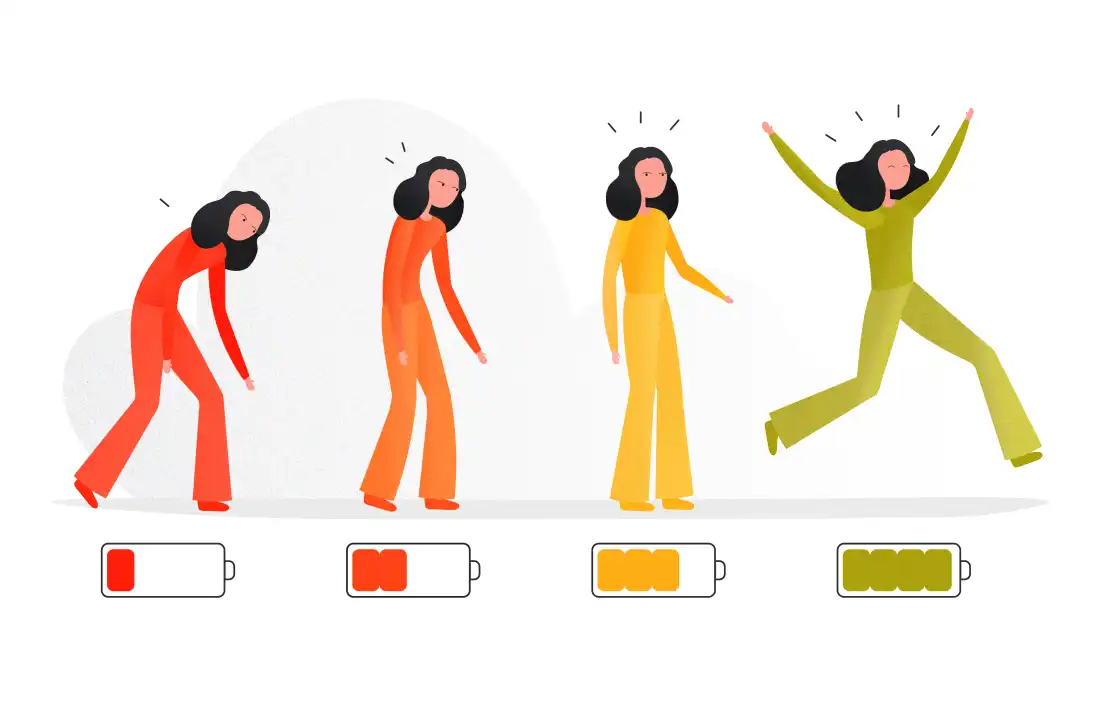
Some people with clinical depression struggle to get out of bed. Others, however, keep moving and immerse themselves in their work. Psychiatrist Dr. Judith Joseph highlights this second group, often overlooked, experiencing what she terms ‘high-functioning depression.’ These individuals fulfill work and home obligations while losing the ability to find pleasure.
Joseph emphasizes that joy positively impacts physical health, relationships, and work productivity. She questions the societal neglect of prioritizing joy.
The Silent Sister: Anhedonia
Anhedonia, characterized by a diminished capacity to feel joy, is central to Joseph’s work. She describes it as ‘the silent sister’ of depression, where one is visibly distressed and the other remains numb and unnoticed. Joseph warns that while anhedonia may not be a classic crisis, it poses an existential threat that should not be ignored.
Research Insights
In a study published in Cureus, Joseph and colleagues used questionnaires to assess high-functioning depression, trauma, and anhedonia. Findings indicated that those with high-functioning depression also showed higher levels of anhedonia and trauma. Participants, especially parents and caregivers, recorded high anhedonia and depression scores.
High-functioning depression lacks official recognition in the DSM-5, complicating diagnosis. This can lead to individuals continuing without seeking help until experiencing burnout.
A Point of Breakdown
Joseph frequently encounters this pattern in women who serve as the backbone for others. They manage responsibilities without realizing impending burnout. This can eventually lead to a breakdown, clinical depression, or physical illness.
Medical professions often discourage vulnerability, which Joseph criticizes. She recalls being taught to focus on crises, like mania or psychosis, instead of the loss of joy indicated by anhedonia.
Anhedonia Self-Assessment
Joseph developed an anhedonia quiz, inspired by the Snaith-Hamilton Pleasure Scale from the British Journal of Psychiatry. The questionnaire explores daily experiences, such as enjoyment of praise or savoring meals. Although not diagnostic, the quiz encourages reflection on obstacles to a joyful life. Accessing results requires sharing an email address.
The Five V’s Framework
In her book, “High Functioning: Overcome Your Hidden Depression and Reclaim Your Joy,” Joseph introduces the Five V’s framework:
- Validation: Name and accept your feelings.
- Venting: Express emotions through talking, writing, or creative activities.
- Values: Prioritize meaningful activities.
- Vision: Maintain hopes and goals.
- Vitals: Look after mental and physical health with proper sleep, nutrition, and exercise.
Joseph underscores the prevalence of anhedonia in diverse conditions and life stages. Recognizing its subtle presence is crucial for addressing this hidden issue.
If you or someone you know faces a crisis, call or text 988 to reach the Suicide & Crisis Lifeline.