
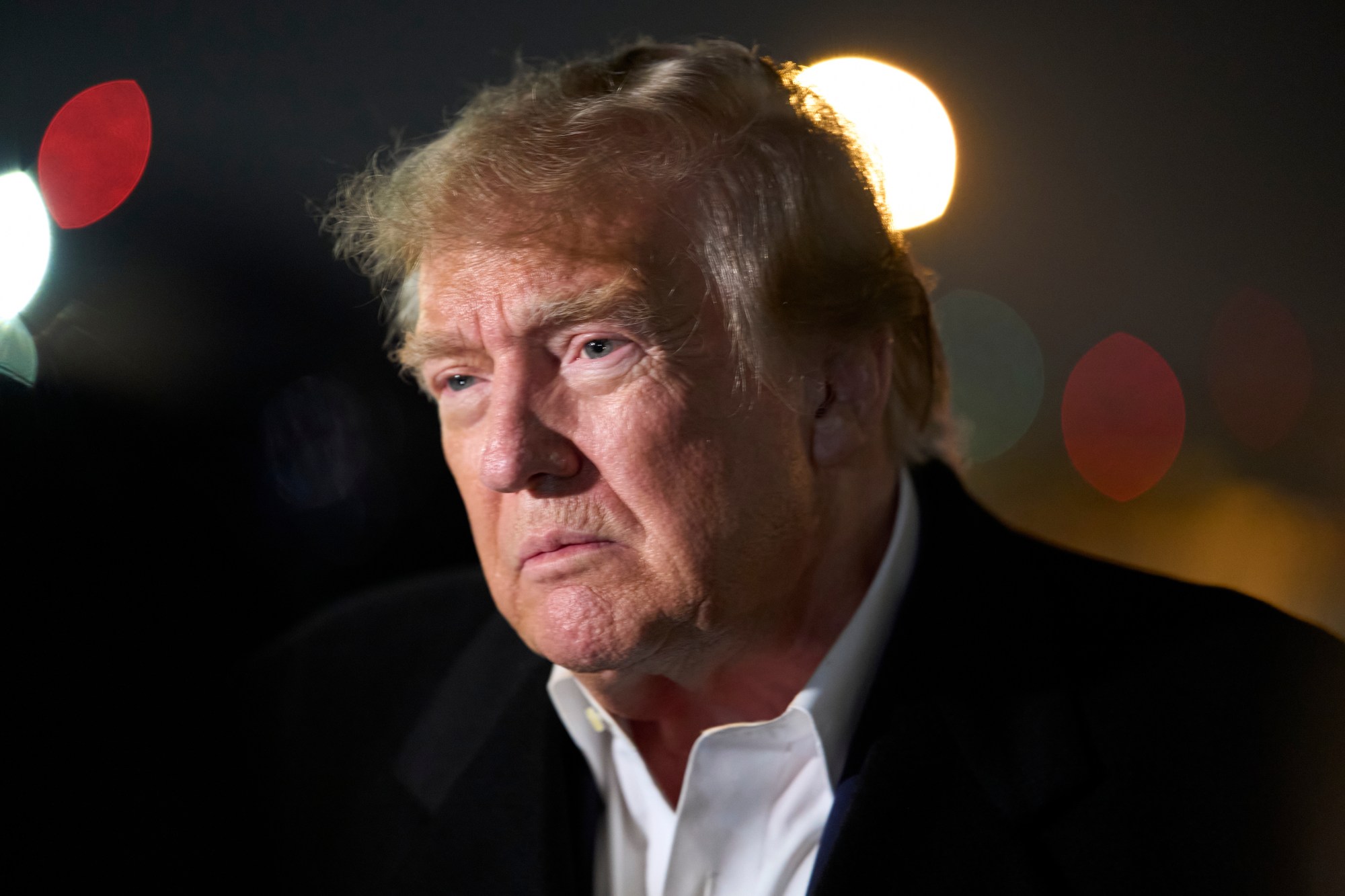
President Donald Trump recently arrived at Joint Base Andrews. His actions suggest he acknowledges mishandling certain issues. This includes not addressing inflation adequately and poorly timing a trade conflict with Canada. Additionally, his choices for Senate candidates have proven dubious. While recognizing his errors is a step forward, the opportunity to amend them might have passed. Many analysts believe Republicans might lose control of the Senate and the House.
A year ago, Republican control of the Senate seemed secure. The only challenge was in Maine, which they had previously lost. Meanwhile, Democrats defended seats in Georgia and Michigan, both won by Trump in 2024. Assuming Republicans fell 10 points behind Trump’s 2024 performance, only Maine and North Carolina stood at risk. This structural advantage is significant, yet current polls paint a different picture.
Polling averages show Democrats leading in typically competitive or Democratic states. This includes Ohio, Alaska, and Texas, states where Trump had a considerable margin. The outcome for the Senate could vary considerably, from a slight Republican majority to a substantial Democratic victory. Presently, projections show a slim Democratic lead.
Most Democratic candidates in key races are not consistently polling above 50%. The undecided voters, mostly 2024 Trump supporters, will be crucial. However, these undecideds must vote and not shift allegiances. In Ohio, for instance, Trump’s significant margin is being contested. Former Sen. Sherrod Brown now has an edge over Sen. Jon Husted in recent polls. Husted needs to secure a large portion of the undecided voters to win.
In Texas, Democratic state Rep. James Talarico holds a narrow lead over Republican Ken Paxton. The undecided voters will determine the outcome, and again, a significant portion must favor Paxton. While polling errors might slightly adjust figures, the national sentiment remains a challenge. Negative approval ratings for Trump further complicate the Republican stance.
Any systemic polling error favoring Republicans still leaves Democrats leading in several races. Republicans might retain a small majority in the Senate. But several Republican candidates face challenges, such as Abdul El-Sayed in Michigan and Troy Jackson in Maine. An uncertain Senate majority reflects poorly on the Republican strategy. Even with a Republican majority, internal dissent might prove problematic, especially considering the president’s ambitions.
Regardless of the election outcomes, the political climate promises turbulence in the coming years, with divided control and internal party challenges. Keith Naughton, a public affairs expert, shares insights on his platform, “Betting On Politics.”