
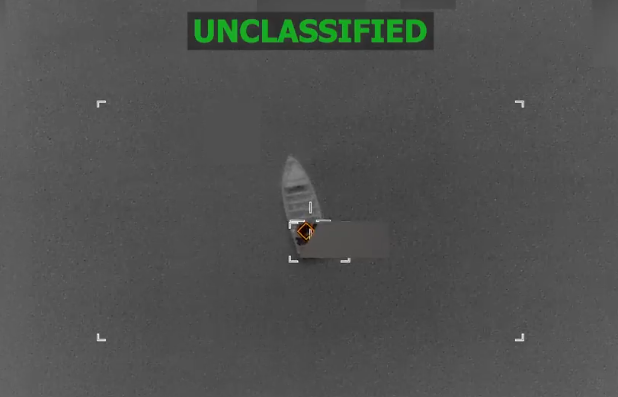
The U.S. military reported an attack on a vessel in the eastern Pacific Ocean, accusing it of smuggling drugs. This strike resulted in the deaths of five individuals. The action is part of a broader campaign by the Trump administration targeting alleged traffickers in Latin America. Since the initiative began in September 2025, over 70 strikes have killed at least 240 people. U.S. Southern Command claims these operations target known smuggling routes, although no clear evidence of drug transport was provided for the recent incident.
A video on X depicted a stationary boat engulfed by an explosion. President Trump has declared an ‘armed conflict’ with Latin American cartels, justifying military strikes as necessary to reduce drug flow and related overdoses. However, his administration has faced criticism for providing scant evidence supporting claims of targeting ‘narcoterrorists.’
Critics, including some Democratic lawmakers and military legal experts, have raised concerns about the legality and effectiveness of these operations. The Pentagon’s oversight body announced in May it would evaluate if proper targeting protocols were followed, excluding legality considerations.
Recent strikes followed Secretary of State Marco Rubio’s goal to gain allies’ approval for such actions. While emphasizing cooperation, Rubio noted the U.S. might still act independently if needed. His remarks suggest a tactical adjustment but maintain a strike-by-strike assessment approach.
Reports indicate previous military operations involved semi-submersible vessels used for drug transport, like a Pacific strike in August killing two. Another raid in June in the Caribbean left two dead and six survivors. Calls for unedited footage of initial encounters have arisen, especially after claims of following strikes on survivors.
A September 2025 operation employed an aircraft disguised as a civilian plane to attack a Venezuelan vessel, killing 11 people. Defense Department and Republican officials argue follow-on strikes remain justified due to perceived ongoing threats from survivors.