
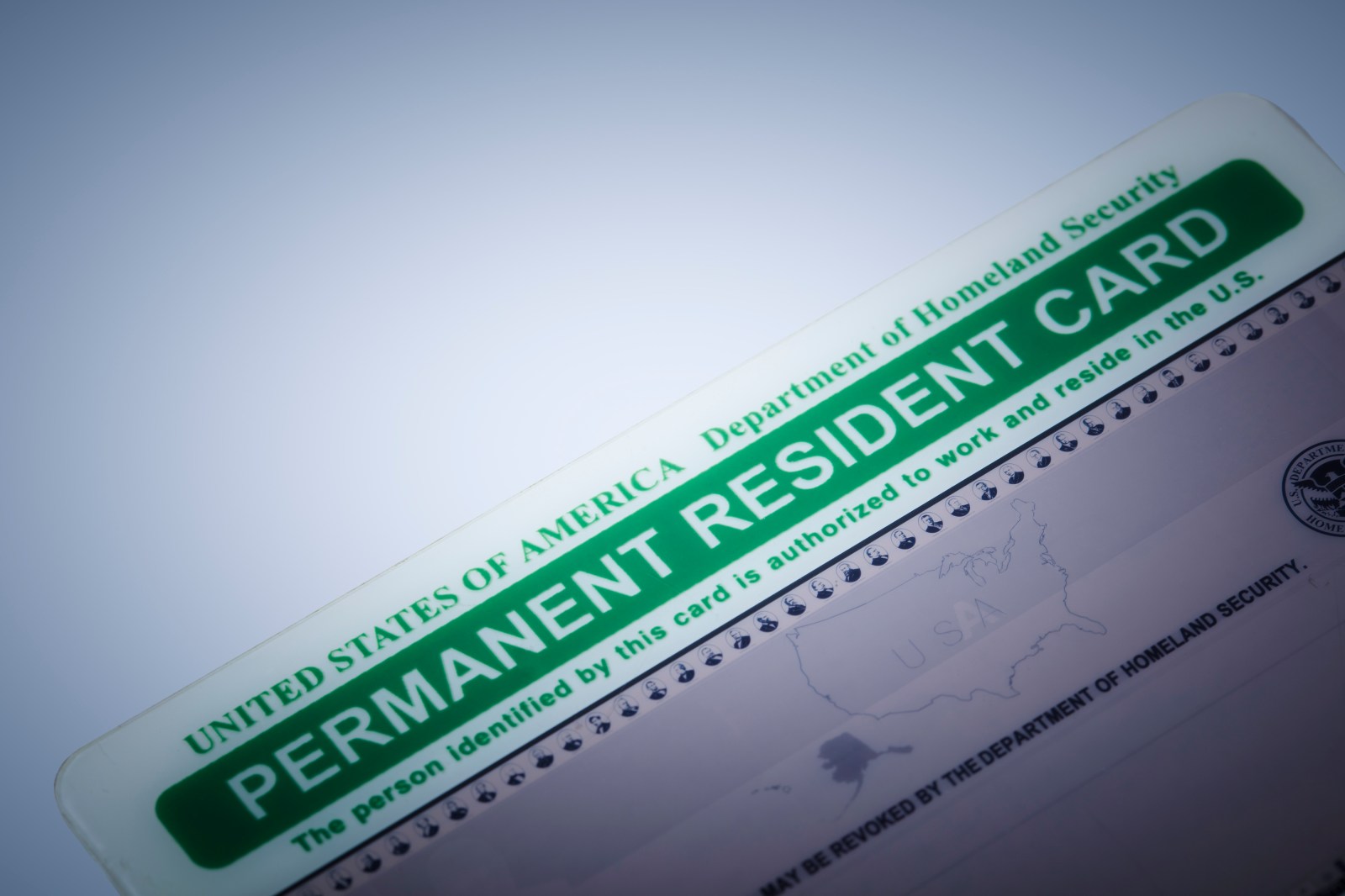
The Trump administration is facing a class action lawsuit targeting policies that have stalled green card applications for thousands of refugees in the United States. The lawsuit, filed by six refugee organizations and four refugees in the U.S. District Court for the District of Massachusetts, questions three Department of Homeland Security (DHS) and U.S. Citizenship and Immigration Services (USCIS) policies.
The policies under scrutiny include an indefinite halt on certain refugee applications for lawful permanent residence, a re-vetting program for refugees admitted during the Biden administration, and a new rule reducing the response time for proposed termination of refugee status from 30 days to 10. The plaintiffs claim these policies infringe on federal immigration and administrative laws as well as constitutional due-process rights. They have requested emergency relief from the court, including an immediate stay of the new 10-day termination rule.
What the Plaintiffs Are Seeking
The plaintiffs are asking the court to suspend the implementation of the three contested policies while the lawsuit is ongoing and to eventually annul them. They also seek the certification of a nationwide class consisting of people admitted to the U.S. as refugees who have not adjusted to lawful permanent resident status as of October 14, 2026. This group is estimated to comprise tens of thousands of individuals, though the class has yet to be certified by the court.
The individual plaintiffs include:
- Lida A., a 27-year-old Afghan refugee in Massachusetts, previously employed by a U.S.-backed organization before fleeing after the Taliban’s rise to power.
- Abdi B., a 39-year-old Ethiopian refugee residing in Minnesota, who faced detention during Operation PARRIS and was later transferred to Texas before being released by a federal court order.
- Julio C., a 26-year-old Colombian refugee in Texas, who depends on Medicaid for his HIV medication.
- Firas D., a 23-year-old Iraqi refugee in Texas, who faced arrest in Iraq due to his sexual orientation.
These plaintiffs, along with six organizations like the Partnership for the Advancement of New Americans and the Jewish Family Service of Western Massachusetts, challenge a November 21, 2025, USCIS policy memorandum placing pending green card applications on hold. This affects refugees admitted from January 20, 2021, to February 20, 2025, calling for reviews and potential re-interviews based on national security and public safety concerns.
Changes to US Refugee Policy Under Trump
Federal law requires refugees to have been in the U.S. for at least a year to qualify for lawful permanent residence. The government examines their admissibility during this process. The plaintiffs argue against imposing an indefinite hold or re-vetting an entire group of already-admitted refugees.
The policies are part of broader changes in refugee policy during Trump’s second administration. On his first day in office, Trump issued an executive order suspending the U.S. Refugee Admissions Program and refugee application decisions. Another order introduced additional identification safeguards for refugees and stateless persons seeking entry.
An initial fiscal 2026 refugee determination set a 7,500 admissions ceiling, primarily favoring Afrikaners, later increased by 10,000 in May 2026.
Operation PARRIS
The lawsuit addresses policies affecting already-admitted refugees. In January, USCIS initiated Operation PARRIS in Minnesota, re-evaluating 5,600 refugees without green cards through new background checks. Some refugees faced arrest and were sent to Texas for interviews. A Minnesota judge blocked detention based on unadjusted status, and a Massachusetts federal court later stayed a nationwide detention policy.
On October 14, DHS implemented an interim rule cutting the response time for a Notice of Intent to Terminate refugee status from 30 days to 10, changing a 45-year-old procedure. DHS cited aims to “restore integrity” to the immigration system, mitigate security risks, and prevent fraud. The rule was effective immediately, with a 30-day public comment period.
DHS estimates about 186,000 unadjusted refugee cases from fiscal 2015 to 2025 might be subject to the termination rule. The plaintiffs noted that USCIS issued at least one notice under this new rule shortly after its enactment. They stress that 10 days is insufficient for obtaining necessary counsel, interpreters, and records to respond. They also highlighted that USCIS’s median processing time for a Freedom of Information Act request in 2025 was 27 days.