
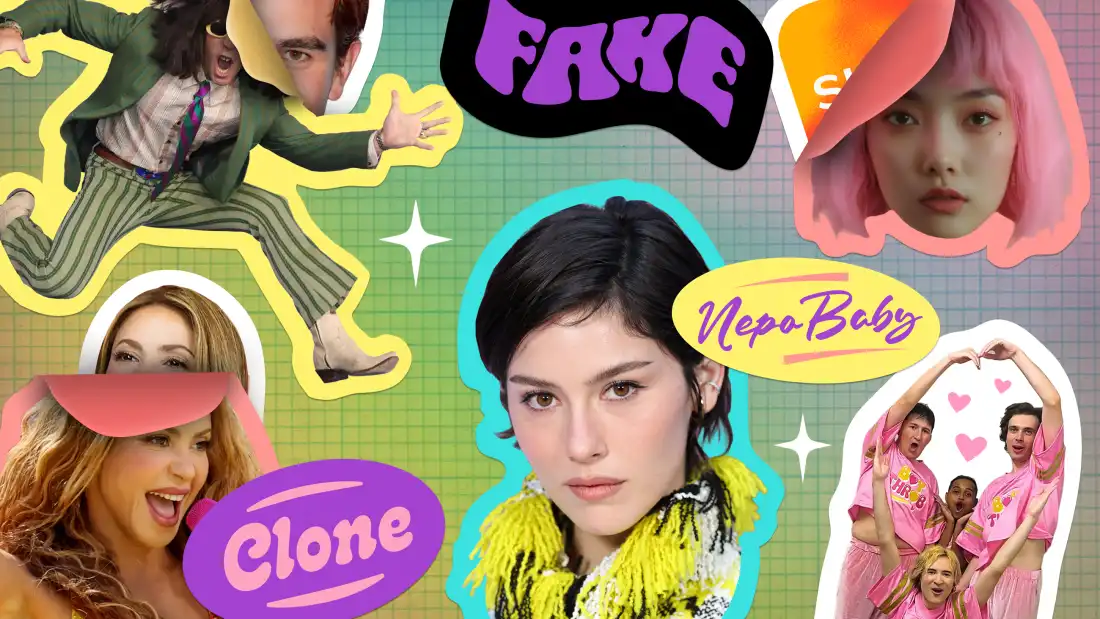
The music industry in 2026 is a complex landscape where authenticity and fakery intermingle. It presents challenges for artists and fans alike in determining what’s real.
Controversies and Trends
Several artists and musical acts have stirred debate this year over the authenticity and reality of music trends.
Shakira, Mr. Fantasy, Gracie Abrams, AI artist Tata Taktumi, and Boy Throb have all been involved in controversies over authenticity in music.
James Blake’s Insights and Industry Skepticism
Earlier this year, British producer and singer James Blake shared his skepticism about the industry. He criticized manipulated album reviews and streaming numbers. Blake emphasized the systemic fakeness in music in 2026.
The tension between generative AI, social media, and hypercommercialization challenges the music space. Dead internet theory now influences music as musicians face a bot-driven environment.
Geese’s Psyop Controversy
Indie musician Eliza McLamb shared revelations about digital marketing practices. Chaotic Good Projects created fake fan accounts to boost artists’ visibility. This became controversial when indie bands like Geese seemed to benefit from it.
Rolling Stone interviewed Cameron Winter from Geese, exposing their surprise at the viral fame and questioning authenticity.
Harry Styles and Ticketmaster
Harry Styles’ residency at Madison Square Garden encountered issues with scalpers. Ticketmaster canceled thousands of tickets bought by fake accounts. The controversy highlighted ticket pricing, virtual queues, and the resale market.
KJ Apa and Mr. Fantasy
Mr. Fantasy’s identity sparked intrigue due to the resemblance with actor KK Apa. Their feud led to social media discussions. Eventually, the matter was resolved, but it raised questions about celebrity identity.
The Rolling Stones and Deepfake Technology
This summer, The Rolling Stones deepfaked themselves in a music video using AI. The video featured younger versions of band members, showcasing AI’s growing influence on music.
Malcolm Todd’s Streaming Boost
Malcolm Todd’s song “Earrings” saw a suspicious spike in streams. Spotify detected manipulated streams, removing fraudulent play counts. The incident underscores concerns about bot-driven manipulation in streaming.
Rise of AI in Music Streaming
Deezer reported a surge in AI-generated song uploads, yet these had minimal actual plays. This reflects public discomfort with AI’s musical role.
Gracie Abrams and Nepotism Remarks
Gracie Abrams faced accusations of benefiting from family connections, prompting public discourse on nepotism. Despite challenges, her album reached No. 1 on the Billboard 200 chart.
Influencer Involvement in Music Promotion
In the changing media landscape, influencers now play a key role in music promotion, sometimes receiving payments for undisclosed advertising.
Clone Allegations
Theories about body doubles surfaced around performances by Shakira and Usher, showcasing the complex intersection of celebrity, appearance, and technology.
Spotify Verifies AI Personas
Spotify has introduced a verification system for AI personas. The platform began labeling profiles to differentiate between human and AI artists.
Boy Throb and Marketing Mysteries
The band Boy Throb mixes humor and music. They faced questions about their authenticity as part of unconventional marketing amidst immigration themes.
AI Music Lawsuits
Jason Isbell and others filed lawsuits against Suno over AI-generated music, alleging appropriation of artists’ identities without permission.
Betty Hammerschlag Investigation
The mysterious Gen Z artist Betty Hammerschlag allegedly is the creation of Tilman Hornig. This case reveals complexities in artistic identity and credibility.
Stella Lefty’s Plagiarism Accusations
Stella Lefty faced allegations of copying melodies in her successful debut album. Her work includes songs that interpolate existing music, raising questions about originality.
Streaming Fraud Legal Action
Michael Smith was sentenced for stream manipulation using AI, marking the first criminal charges in this area.
Phoebe Bridgers’ Concert Policies
Phoebe Bridgers implemented a no-phone rule at her shows, stimulating internet memes reflecting on concert experiences.
Senator Blackburn’s AI Video
Senator Marsha Blackburn’s AI-generated Kendrick Lamar video drew criticism, highlighting debates on AI’s role in politics.