
While voters across the U.S. may concentrate on issues like immigration and inflation during the midterms, Alaskans are discussing salmon runs, bycatch limits, and the state’s fishing industry’s future. These topics could be crucial in determining if Democrat Mary Peltola can unseat Republican Dan Sullivan, flipping Alaska’s U.S. Senate seat. With few chances for Democrats to change Republican-held Senate seats in 2026, Alaska is a key contest.
Alaska’s Unique Political Landscape
Alaska hasn’t elected a Democrat to the Senate since 2008. The state’s voter base, combined with ranked-choice voting, means that election outcomes don’t just hinge on party lines. According to Aubrey Wieber, from the 907 Initiative, Alaskans face high costs for essentials due to shipping challenges, which amplifies inflation’s impact. Additionally, the issue of trawl bycatch has gained traction among residents, particularly those involved in subsistence, commercial, or sport fishing.
The Importance of Fishing in Alaska
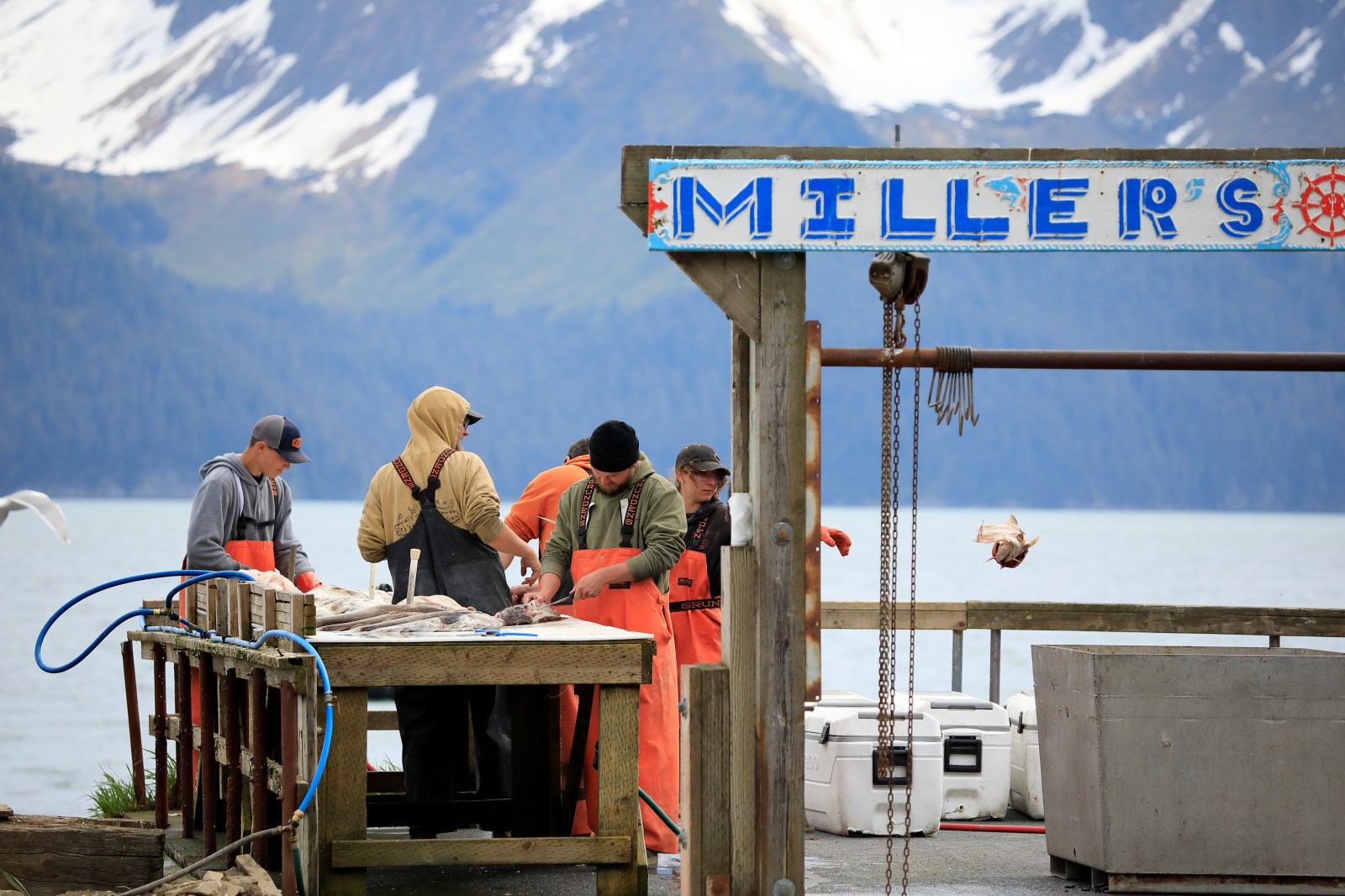
Fishing is critical to Alaska’s economy. It supports a wide array of sectors, including processing, transportation, and equipment supplies, fostering many coastal communities. Unlike resource industries like oil, fishing is widespread across numerous locations such as Bristol Bay and Kodiak.
Salmon is especially tied to Alaskan culture and sustenance. As per Wieber, salmon scarcity affects communities relying on it. Variations in fish stocks concern residents, with larger vessels from outside Alaska and environmental shifts partly to blame. Bycatch also contributes to these challenges.
According to Matt Alward, president of the United Fishermen of Alaska, misleading information has circulated online. He notes that while some salmon stocks struggle, changing environmental factors are significant contributors. Still, Alward emphasizes existing regulations on trawl fisheries.
Different Candidate Views on Fishing
Fishing forms a core part of Sullivan’s and Peltola’s campaigns. Peltola’s slogan, “Fish, Family, Freedom,” underscores her focus on the industry’s challenges, particularly pointing to out-of-state trawlers. She advocates for measures like banning factory trawling and increasing tribal representation in management councils.
Sullivan highlights his tenure record, claiming he has delivered benefits for the state’s fishermen. He introduced the Bycatch Reduction Act in June, aiming to minimize trawl gear impacts and prohibit unsustainable imports. He also supports formalizing the USDA’s Seafood Office to benefit the industry.
Impact of Fishing on Election Outcomes
Alaska’s fishing issues could significantly influence Senate control. Polls show mixed interest in fisheries and bycatch, but a majority of Alaskans support federal intervention in trawling. Wieber comments that the issue has become politically relevant, especially following Peltola’s previous campaign.
With a diverse and independent voter base, candidates must demonstrate genuine solutions for the industry. Given the emphasis on this issue, both Peltola and Sullivan aim to appeal to a vast cross-section of Alaskans.
DOJ’s Lawsuit Over Ballot Mix-Up
Trump’s administration has directed the DOJ to sue Alaska over its Senate ballot, which lists two candidates named Dan Sullivan. Trump alleges the presence of a retired teacher with the same name is intended to confuse voters, potentially affecting incumbent Sullivan’s election results.
The lawsuit seeks to investigate voter intentions and correct any confusion stemming from the ballot arrangement. Alaska’s courts previously upheld including Dan J. Sullivan on the ballot, despite claims of election interference.