
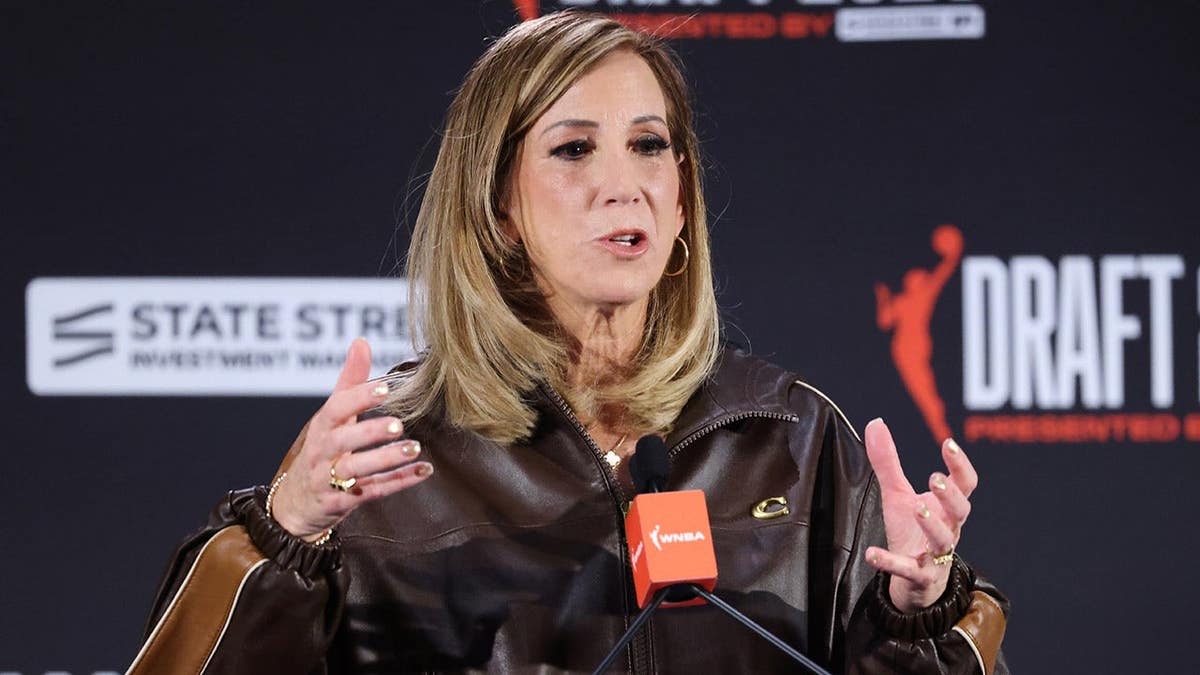
The recent debate over eligibility within the WNBA has sparked significant controversy. WNBA Commissioner Cathy Engelbert declared that I am not eligible to play in the league. This decision was rooted in the identification of me as a man, a determination made without a clear explanation of the criteria used.
Despite purchasing courtside tickets to attend Game 3 of the WNBA Finals in Atlanta, I was informed upon arrival that I would not be permitted to sit in those seats. Instead, I was directed to watch the game from a private suite, supposedly for my own safety. Even though the action was taken with concern for my safety, my stance against authoritarian regimes has prepared me to face discomfort rather than evade it.
My presence at the game aimed to advocate for women in sports, emphasizing the importance of fair competition and acknowledging athletes’ concerns. Nonetheless, my insistence on staying visible led to my removal from the arena. This incident marked the second time I was not allowed to attend a WNBA game while advocating for women’s rights in sports.
The question remains: who determines eligibility and how?
Commissioner Engelbert’s response to Congressman Marlin Stutzman stated, “only women are eligible to play in the WNBA and the individuals you cite in your letter are both men.” However, there was no mention of the exclusion of biological males categorically. This decision lacks a biological standard for eligibility, sparking questions about the criteria used in these determinations.
There is ongoing uncertainty, with a task force reportedly investigating the WNBA’s eligibility policies. However, no definitive policy has been made public regarding whether biological males identifying as women can participate in the league.
The need for clear, consistently applied rules is evident for female athletes who have dedicated their lives to competing at the highest level. The league’s ambiguous stance suggests possible external pressures, perhaps from activists or the fear of political repercussions, hindering the formation of concrete policies.
While unable to ascertain what decisions are made privately, the public sees a task force yet lacks any clear standard. The league prefers maintaining silence or removing vocal fans rather than addressing these pressing questions head-on.
My fight for eligibility goes beyond personal participation. It reflects a broader struggle for freedom, fairness, and the right to voice concerns, especially when met with resistance. My American citizenship and changed surname, Freedom, symbolize my commitment to these principles.
As this debate persists, the actions of players like those from the Golden State Valkyries and Atlanta Dream, who leave the court during the national anthem, highlight another facet of this issue. Though everyone has the right to protest, recognizing and respecting the opportunities provided by these freedoms remains crucial.
The irony lies in the avoidance seen from players during the anthem and the league’s reluctance to take a firm stance on eligibility and fairness. When asking questions and advocating for these values, I am met with exclusion from public view by the league.
The core of this issue is courage and fairness, principles requiring defense even when they challenge comfort. I continue to press for answers and protect the women whose voices need recognition in the face of powerful institutions.
Commissioner Engelbert’s response has aroused more inquiries than answers. If affirming my ineligibility is based on being identified as a man, the WNBA should clarify if all biological males face the same disqualification.
Is the WNBA prepared to define what constitutes a woman?
The question now is whether the WNBA will formulate a clear, consistent policy that genuinely protects women’s sports, establishing transparency in its eligibility criteria.