
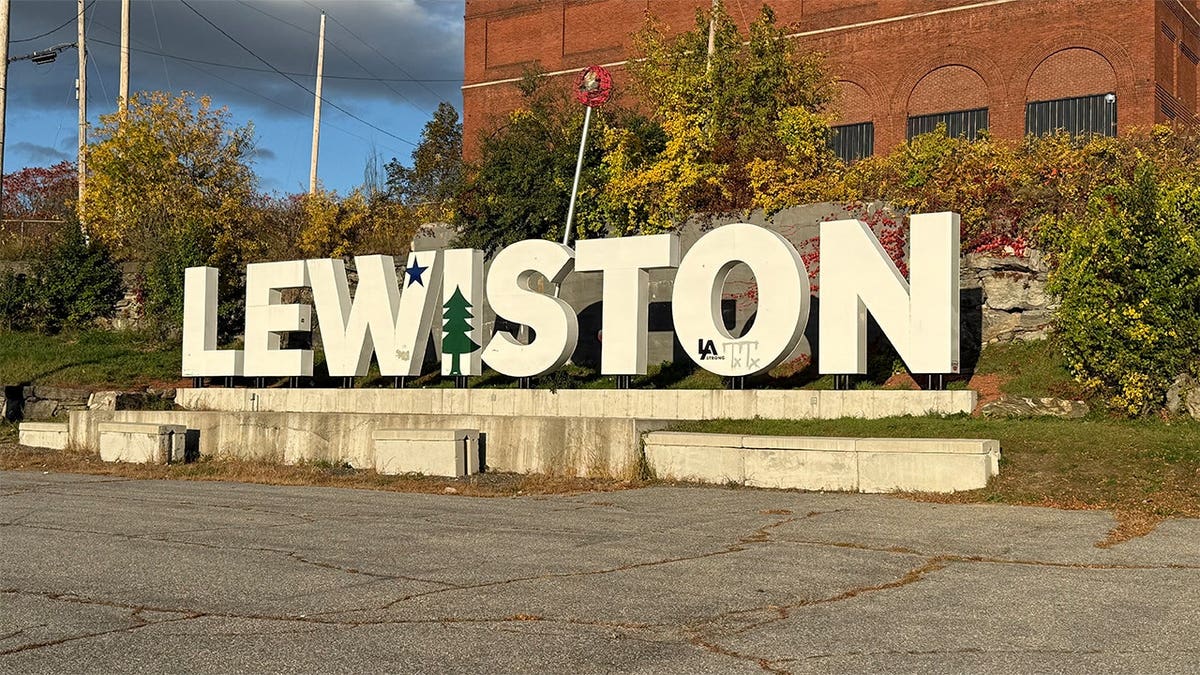
Lewiston, a city in New England known for its growing refugee and immigrant population, faces a critical challenge with youth gun violence. Police have reported 35 gun-related incidents this year, with 22 involving juveniles.
Mohamed Muhumed, a local teenager, expressed his fear, saying, “I don’t feel safe. I fear for my life.” He described witnessing violence on the streets, highlighting the severity of the situation.
Lewiston, the second most populous city in Maine, hosts many refugees from Somalia and other African nations. Police Chief Carly Conley described the gun violence as a major public safety challenge for the city.
The gun violence in Lewiston is very concerning. The majority of it has been committed by teenagers. Multiple times teenagers have been arrested and immediately released by the courts back out on the streets.
Reporter Jon Fetherston shared concerns over youth involvement in gun violence, noting repeated arrests and swift court releases for young offenders. This has created frustration among residents and officials.
City leaders have responded by allocating $200,000 for increased police overtime to enhance patrols. They also seek juvenile justice system reforms to address repeat violent offenders and improve safety measures before releasing high-risk juveniles.
Mayor Carl Sheline emphasized the importance of parental involvement and accountability in reducing youth gun violence, while suggesting additional resources are crucial in tackling the crisis.
Former city council president and current mayoral candidate Rick LaChapelle criticized the system, arguing for more judicial accountability and changes in legal practices to hold offenders responsible.
Despite various claims, no official data links the city’s Somali residents to the surge in violence. Teen Mohamed Adbei and resident Ifraax Saciid both suggested that the root cause lies in broader socio-economic issues rather than ethnic connections.
Lewiston, historically known for accepting refugees over the past 25 years, has a high per capita Muslim population. The community is primarily comprised of Somali and other African refugees seeking safe neighborhoods and affordable housing.
While the former Mayor Larry Raymond’s comments about refugee intake have drawn attention in the past, history reveals complexities in Lewiston’s development and its challenges.
LaChapelle, echoing the sentiments of controlled immigration, acknowledged the historical dimensions of immigration in America while pointing out the need for sustainable welfare systems.