
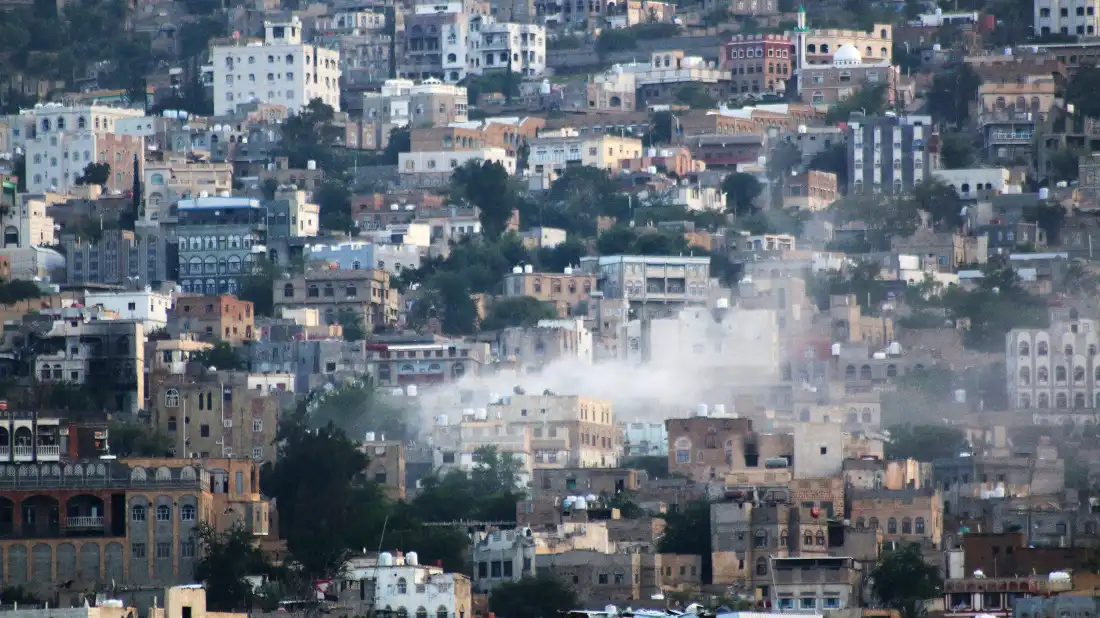
The city of Taiz, Yemen, faces a dire water scarcity crisis, exacerbated by the ongoing siege by Iran-backed Houthi rebels. For over a decade, drinking water has been a major issue, but recent developments have plunged the situation into a critical state.
Taiz, Yemen’s third-largest city, is home to over a million residents whose needs are barely being met. Limited access to wells, fuel shortages at desalination plants, and restrictions on water delivery trucks have forced families to ration every drop of water.
“We stopped drinking coffee and tea, which we used to drink daily,” said Hadil al-Shahid, a resident, in a phone interview.
Al-Shahid and her two young children now stretch 10 liters of bottled water over four days, a drastic change from their previous daily usage. Families in Taiz are paying significantly more for bottled water, with costs rising by up to 75% in recent weeks. Many have resorted to buying water on credit.
Impact on Essential Supplies
The siege has also led to severe food and fuel shortages. The price of groceries has soared, compromising basic services such as hospitals and sanitation. Amnesty International has urged the Houthis to open roads to prevent Taiz from facing a severe humanitarian disaster.
The conflict in Yemen began in 2014, when the Houthis took control of much of the north, including Sanaa, leading to the government’s exile. Taiz became a conflict hotspot, with its water infrastructure already under pressure from population growth and drought.
Water and Fuel Crisis
Access to wells has been restricted as Houthi forces tightened their hold on Taiz. As fuel supplies dwindle, water trucks have raised their rates to cover the risks of entering the city.
The pressure has intensified since August, with the province absorbing about 124,000 new displaced people. Many live in temporary shelters, surviving on minimal meals daily, according to U.N. experts. The cost of cooking gas has more than quadrupled, with families resorting to burning wood and charcoal for cooking.
Without fuel, essential services and waste collection have halted, increasing disease risks. Living conditions worsened as people draw water from potentially contaminated wells.
Rising Food Prices
Staple food prices have risen sharply, with flour and rice 50% more expensive than before. Ahmed Abdel Gaber, displaced by the conflict, relies on aid for food as his income from construction work became erratic. Similarly, Hadil al-Shahid’s hair salon closed, as customers redirected their funds to food and water.
The Strategic Importance of Taiz
Control of Taiz is crucial for the Houthis, as it opens paths to southern regions like Aden and Lahj. While the Yemeni government controls the city center, delivering supplies is difficult due to the siege. Despite holding 80% of Taiz’s surrounding countryside, the Houthis face challenges in capturing the entire city.
Civilian safety concerns have heightened as Houthi-fired missiles recently struck residential zones, claiming civilian lives. For families like Abdel Gaber’s, who experience daily conflict noise and fear for their safety, leaving Taiz is not viable. Avoiding relocation due to prohibitive costs, al-Shahid remains committed to staying in her home.