
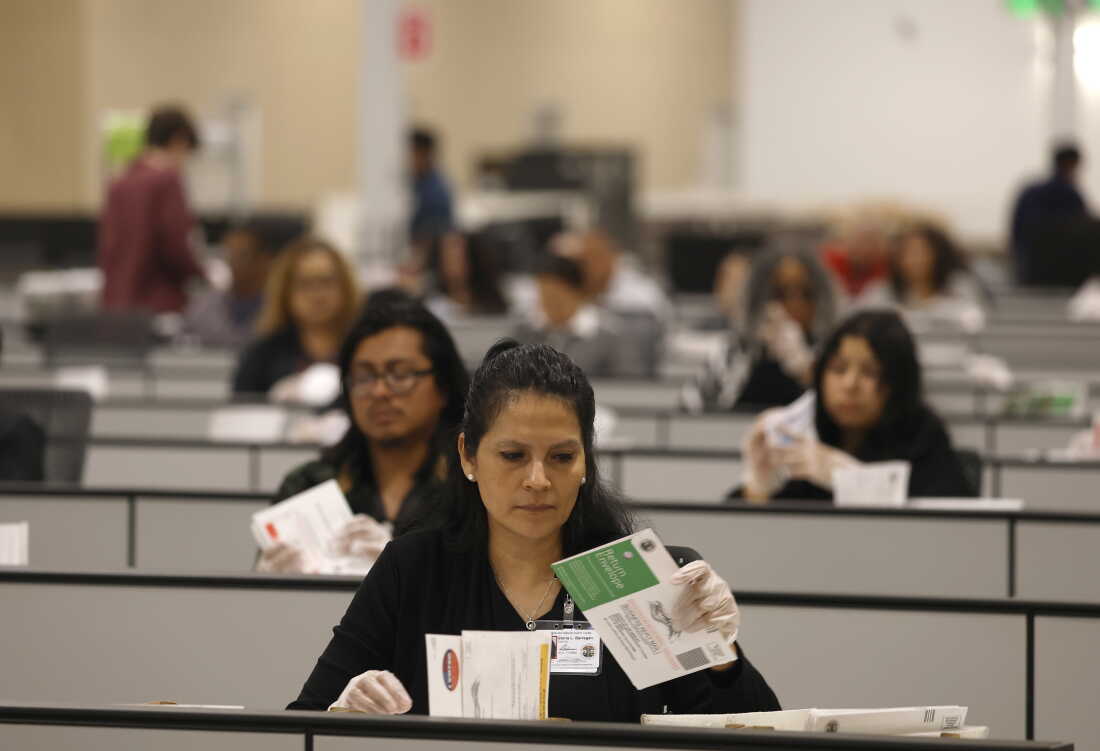
In California, election workers are busy processing votes at the Ballot Processing Center. The slow vote count has drawn attention, raising concerns about election integrity. Former Maricopa County clerk Stephen Richer recalls the pressure of election nights, facing criticism as votes remained uncounted. “Those days were difficult,” said Richer, reflecting on the stress of uncounted ballots and the surge of speculation.
This year, officials in congressional districts face similar challenges: elections may not be decided immediately. Let’s explore why results vary in timing across different places.
Why Immediate Results Aren’t Always Possible
The time required to announce results often depends on the victory margin. Although this seems unrelated to counting speed, it affects when networks declare winners. News outlets announce results quickly in races with clear margins, even if all ballots aren’t counted. Tight races require thorough analysis before a call is made.
Richer notes less scrutiny in Utah due to clear Republican victories, illustrating how perception of completion differs from reality. An early call may give the impression of a finished count, though this is not the case.
Counting Speed and Result Timelines
While margins influence perceived completeness, counting speed also plays a role. California illustrates this with competitive districts and slow counts, inviting scrutiny and misinformation. According to Charles Stewart from MIT, California’s extensive processes slow down the results.
Efforts to Expedite California’s Count
Kim Alexander of the California Voter Foundation advocates for faster counts without sacrificing access. The primary cause of delays is the late return of mail-in ballots, often arriving on Election Day. This influx of ballots slows the process as officials verify each submission. Some counties see over half their mail ballots submitted on Election Day, delaying initial processing.
The state has invested $40 million to educate voters, encouraging earlier voting to ease the count. Success in San Joaquin County underscored this effort. Postcards urged timely voting, resulting in quicker processing and decision-making.
Changes and Observations in the Upcoming Elections
California’s reduced number of competitive districts this year may lessen national attention on its results. In 2022, nine districts were competitive, compared to three now. This shift might decrease waiting times for overall election outcomes.
Other states like Alaska, with both competitive races and slow counting, merit attention. Last election, Alaska’s results were among the last finalized, affecting nationwide outcomes.