
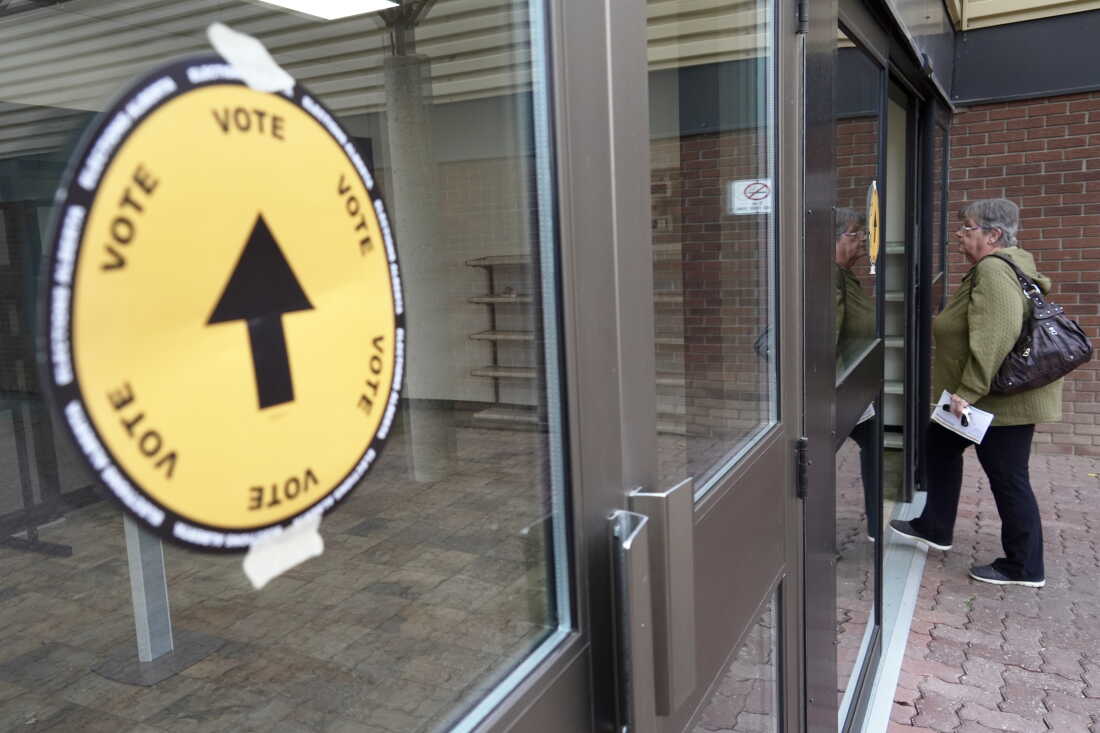
In Wainwright, Alberta, a voter location stood pivotal on Monday, Oct. 19, 2026, as citizens participated in a significant referendum. This vote gauged interest in Alberta remaining within Canada amid challenges posed by U.S. actions including President Donald Trump’s trade war and annexation threats.
As results rolled in, more than 1 million votes were counted. A substantial 77% of voters favored staying in Canada. In contrast, 23% supported initiating a path toward potential separation, according to unofficial results from Elections Alberta.
This referendum was not a direct vote for independence; rather, approval would have set a course toward a future vote on Alberta’s separation from Canada.
“Albertans made a clear choice,” Prime Minister Mark Carney stated. “They chose unity, to build together, and to take care of each other. Above all, Albertans chose Canada.”
Carney expressed confidence that these results would enable Canadians to progress collectively. He emphasized plans to diversify trade, pursue major infrastructure projects, and position Canada—and Alberta specifically—as a global energy leader.
Alberta’s separatist leaders retained hope, despite the overall outcome. Keith Wilson, a separatist movement figure, acknowledged that although numbers might change, at least a quarter of Albertans believe Alberta deserves better treatment.
Alberta Premier Danielle Smith also welcomed the results. She highlighted the broad support for remaining a part of Canada, sharing on social media that Alberta has opted for a more robust presence within a united country.
Smith, initially calling for the referendum amidst separatist pressures within her United Conservative Party (UCP), plans to address the province regarding Alberta’s future based on these results.
Thomas Lukaszuk, former Alberta deputy premier, vocalized optimism in the nation’s unity, claiming it spans from coast to coast to coast. He led the Forever Canadian campaign against separation.
Delayed results emerged following extended voting hours on Monday due to late polling station openings.
Alberta holds the world’s fourth-largest proven oil reserves and is culturally akin to the American West. Yet, sentiments of discontent toward Ottawa have historically not translated into strong separatist support.
Despite failure in the referendum, separatist leaders believe they have incited lasting momentum. Carney urged a solid vote for national unity, positing that Canada’s future relied heavily upon this decision.
Former Premier Jason Kenney noted that separatist factions previously commanded minimal electoral support. Recent mobilizations escalated during anger over COVID-19 restrictions.
Donald Trump’s aggressive posture toward Canada has bolstered Carney’s efforts to rally unity across Alberta, where the Liberal leadership has often faced challenges. Separatist spokesperson Jeff Rath expressed hopes for a 30% support in favor of separation.
Rath criticized Smith’s leadership of the UCP, revealing intentions to pursue the formation of a new pro-independence party.
Dustin Degenhardt, a voter from Wainwright, voiced perspectives of Alberta being mistreated by Canada’s central government, insinuating colonial overreach.
Taylor MacIsaac, another Wainwright voter, supported separation. As a conservative raised in rural Alberta, she felt separation would benefit Alberta.
Conversely, Edmonton’s Dave Malka critiqued the referendum’s expenses, advocating for prioritization of healthcare funding. Malka viewed Trump’s threats as undermining Canadian coherence.
Calgary’s Jake Graham hoped the vote would quench the separation debate. Demonstrating patriotic spirit through his outfit at a Carney rally, Graham held aspirations for lasting unity within Canada.