
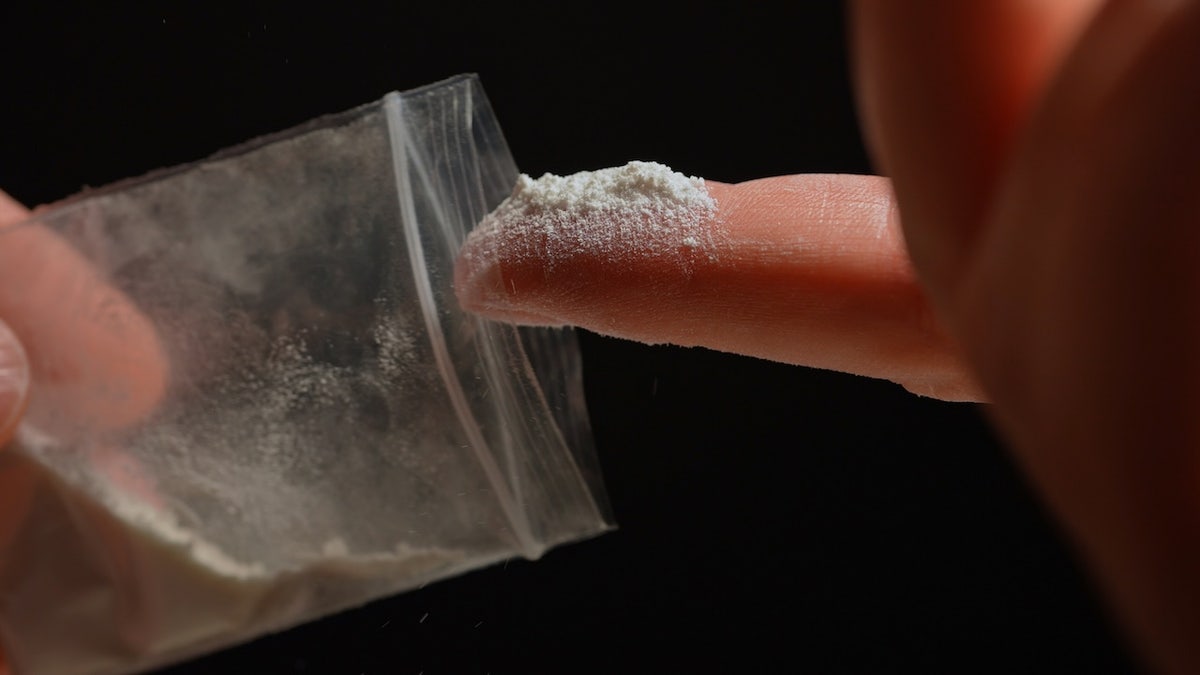
A new synthetic opioid known as cychlorphine is reportedly more potent than fentanyl and has been associated with numerous recent fatalities across the U.S., leading to heightened alerts from health authorities.
Origin and Recent Impact
Tennessee emerged as an initial center of concern. In March, the state’s health department reported more than 30 deaths linked to cychlorphine since October 2025. A subsequent notice from the White House’s Office of National Drug Control Policy in April 2026 cited at least 41 deaths in Tennessee from July 2025 to February 2026. Nationally, the toll is at least 55 fatalities.
Other states such as Illinois, California, and Oklahoma have also reported fatal overdoses tied to this drug, according to records from public health and law enforcement agencies.
Understanding the Dangers
The Los Angeles County Department of Public Health highlighted the extreme potency of cychlorphine, noting that even small amounts can cause respiratory failure. Nicholas Kardaras, Ph.D., underscores this, describing cychlorphine as “the new fentanyl on steroids,” due to its immense strength.
Cychlorphine activates the same receptors as fentanyl. It results in profound sedation, breathing difficulties, and mortality. The Drug Enforcement Administration states it is unregulated and primarily discovered in illicit drugs and counterfeit pills.
A Potent Risk
According to Kardaras, cychlorphine appears in unauthorized drug supplies, raising the likelihood of overdoses, especially among younger individuals who might experiment with drugs or unknowingly purchase counterfeit pills. He says, “Cychlorphine is one of the most potent synthetic opioids today.” He stresses its potency, noting it may be up to 10 times stronger than fentanyl, or approximately 500 times stronger than morphine or heroin.
Cychlorphine use can be oral, nasal, or intravenous. The risk is compounded by its frequent inclusion in other designer drugs and counterfeit pills.
Challenges in Detection and Treatment
A major complication with cychlorphine is that current fentanyl test strips and hospital urine screens fail to detect it. While Narcan (naloxone) can reverse cychlorphine’s effects, it may require several doses. Kardaras notes that what used to take one or two doses might now need five or six, based on anecdotal reports.
The Drug Enforcement Administration advises immediate naloxone administration, calling 911, and readiness to administer multiple doses. Drugs tests are yet to specifically target cychlorphine, making it largely invisible to current detection methods.
Conclusion
The overwhelming potency of cychlorphine, combined with its challenging detection and treatment, presents a substantial public health threat. Continuous advancements in drug development necessitate an equally agile response from health and law enforcement agencies.
Melissa Rudy, a senior health editor at Fox News Digital, underscores these insights.