
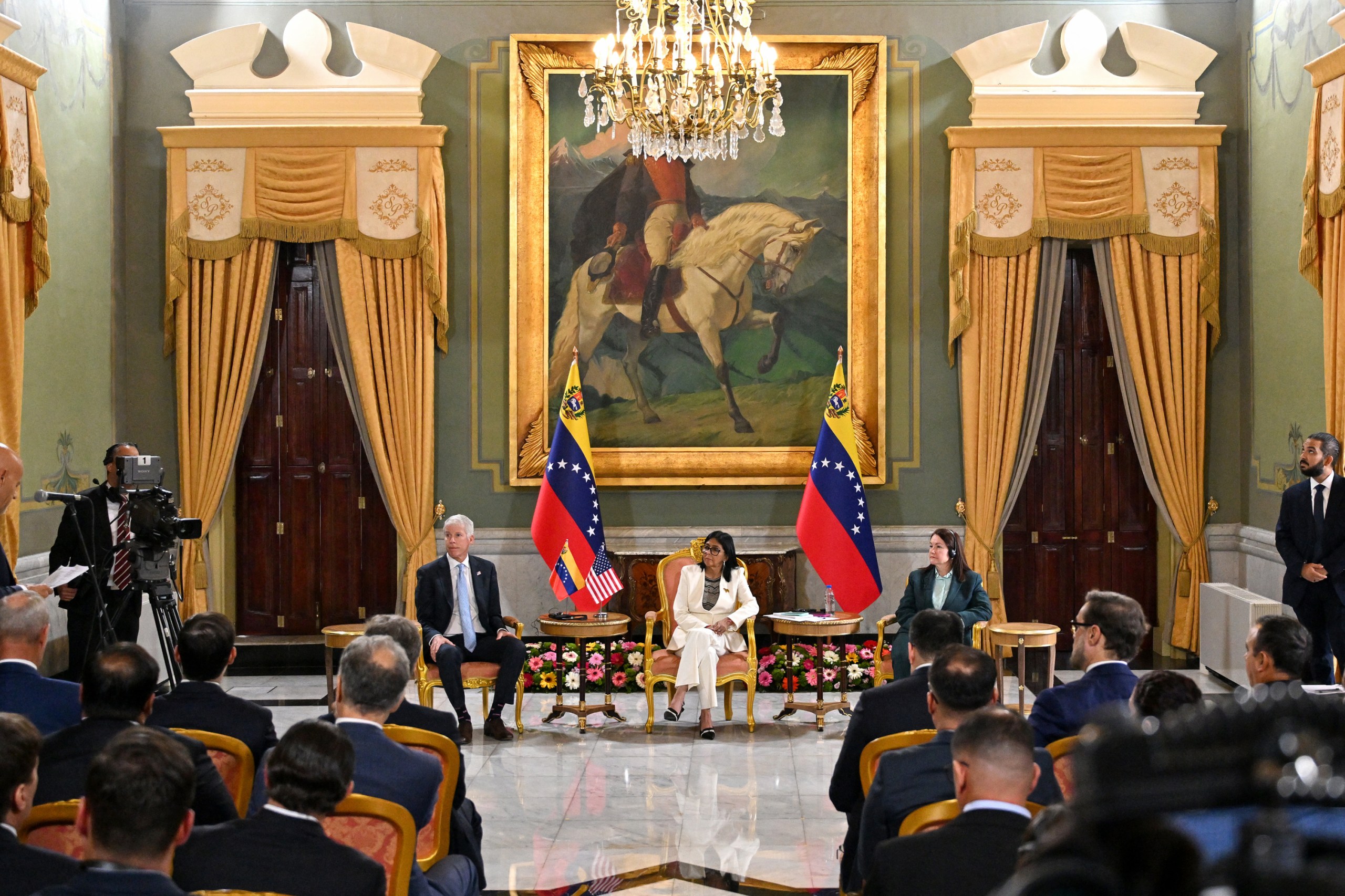
In August, President Donald Trump declared what he dubbed the “biggest oil deal in world history,” granting extensive U.S. access to Venezuela’s oil reserves. ProPublica has analyzed the 18-page strategic partnership agreement endorsed by Secretary of State Marco Rubio and Defense Secretary Pete Hegseth, revealing terms beneficial primarily to U.S. interests.
Corporate Firewall and Hidden Investors
The deal aims to safeguard the enterprise from future dissolution by U.S. and Venezuelan leaders. Some Trump administration partners may remain undisclosed behind a parent company stationed in Barbados.
The Trump administration has undertaken a 35% stake in Alejandro Betancourt’s firm, North American Blue Energy Partners (NABEP), through shares in a Barbados-registered parent entity. The agreement shields Betancourt’s leadership as CEO and outlines the formation of a U.S.-favored seven-member board to oversee the venture for 15 years.
Long-term Production Goals
Though dubbed a historical venture, the agreement states America’s purchasing rights expire in half the proclaimed century, and clashes with Venezuelan laws allowing oil concessions only for 25 years. The U.S. gains a discounted purchase rate on 20% of NABEP’s oil, but lacks full assurance of estimated $200 billion royalty and tax payments to Venezuela.
NABEP currently delivers 200,000 barrels daily, a fraction of U.S. consumption, with aims to heighten output to 500,000 barrels per day by 2028.
Resistance and Agreement Sensitivities
Despite the carefully constructed terms shielding U.S. interests, the deal faces backlash in Venezuela and risks midterm electoral scrutiny. Former U.S. diplomats speculate a congressional inquiry, particularly given Alejandro Betancourt’s tainted past involving international money-laundering inquiries.
The deal ensures a governance structure with emphasis on U.S. control, requiring U.S. citizens as board majority at all times, and mandates any disputes be resolved under U.S. law.
A Shadowy Partner
Betancourt, despite legal challenges, emerged as a significant player, linked to lobbying efforts and providing strategic insights aiding Maduro’s capture. NABEP, chosen for its operational success in Venezuela, benefitted from commercial ties within the administration’s circles.
While critics raise an eyebrow at Betancourt’s history and potential conflicts, Trump administration allies defend the choice, underscoring Betancourt’s ability to swiftly heighten production.
Legal and Financial Challenges
The agreement’s legal strings and investment pathways proved complex, with U.S. agencies crafting alternate financing styles circumventing sanctions hurdles. Consistent embraces by Pentagon’s David Lorch and strategists moved the deal forward despite internal skepticism.
Trump famously announced the pact into public view on Truth Social, framing its magnitude despite brewing controversies.