
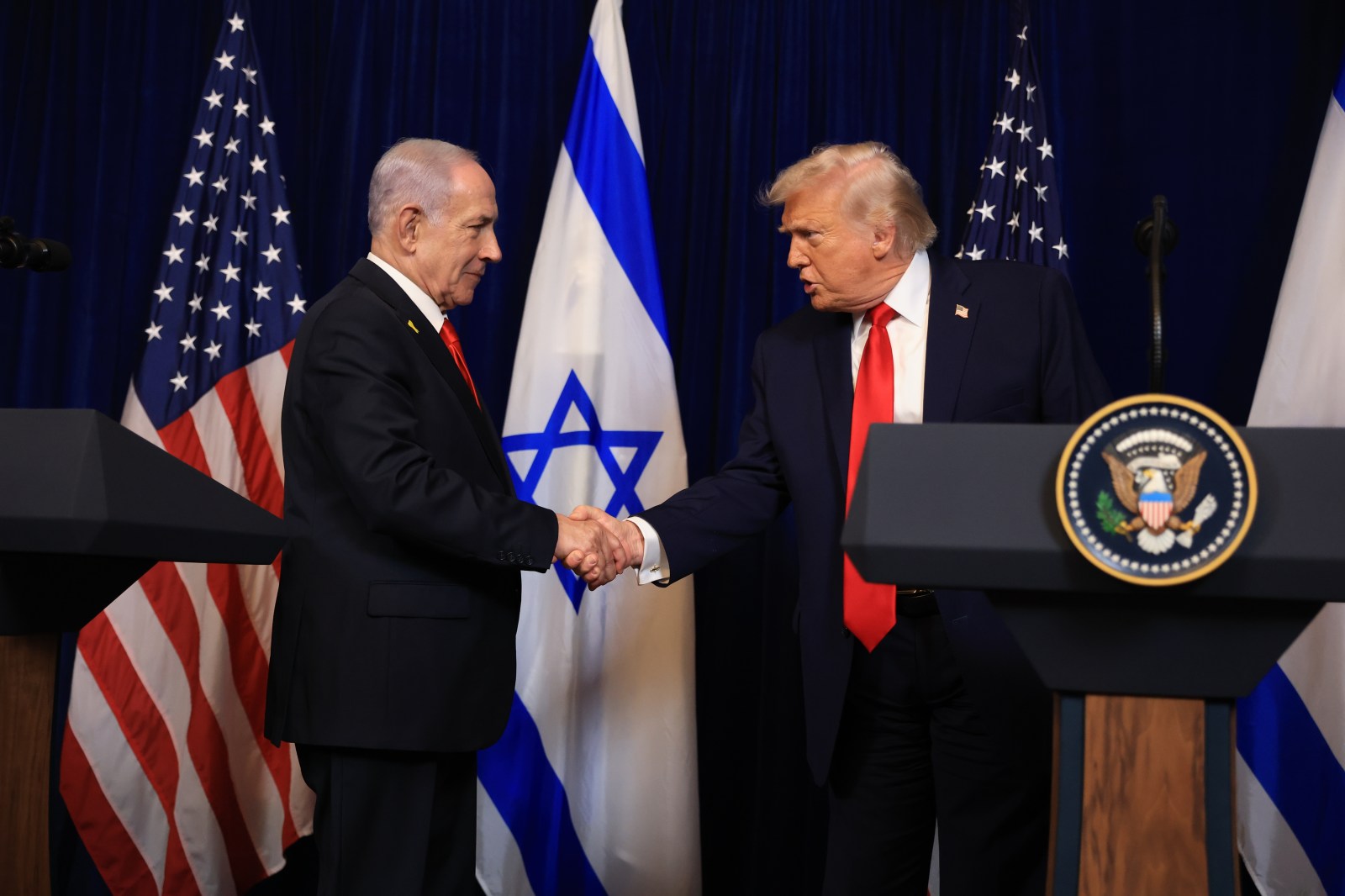
Donald Trump’s recent endorsement of Benjamin Netanyahu, the Israeli prime minister, holds significant implications for Israel, especially as it comes just a week before a pivotal election. This election might determine whether Israel remains a prosperous liberal democracy or continues its slide toward an elected autocracy. As Israeli voters ponder their choices, they must also consider a more profound threat: Trump’s possible refusal to accept Netanyahu’s removal even if the Israeli electorate votes for change.
Trump’s Support for Netanyahu
On Sunday, Trump praised Netanyahu as a great wartime leader and a crucial ally against Iran, stating that without Netanyahu, America might confront Iran alone. This is a remarkable stance for a U.S. president regarding the democratic choices of an allied country. Trump enjoys popularity in Israel, thanks to significant actions such as recognizing Jerusalem as Israel’s capital and Israeli sovereignty over the Golan Heights, promoting the Abraham Accords, and confronting Iran. Supporting Israel and supporting Netanyahu, however, are increasingly different matters.
A Pattern of Interference
Trump’s endorsement shouldn’t be unexpected. He has frequently interfered in elections abroad to back right-wing populists. In Poland, his administration supported nationalist candidate Karol Nawrocki, who won. Similarly, Vice President JD Vance campaigned for Hungary’s Viktor Orbán, who lost despite exerting control over the country’s institutions for years. Trump admires leaders who portray themselves as national voices while dismissing political opponents and independent institutions. Netanyahu is increasingly part of this political family.
Netanyahu’s Political Record
Netanyahu’s governance raises numerous concerns, from national catastrophes to strategic errors. The October 7, 2023 security failure, the worst in Israel’s history, saw Israeli communities left defenseless against Hamas attacks. Netanyahu has resisted an independent inquiry to establish responsibility. Furthermore, the Gaza war has tarnished Israel’s international standing despite military efforts against regional threats.
Challenges from Within
Netanyahu’s political survival hinges on parties whose demands threaten Israel internally. Ultra-Orthodox parties seek to preserve military exemptions for Haredi men. Haredi boys often lack proper mathematics, English, or science instruction, supported by subsidies. This situation poses economic and military risks, potentially leading to a brain drain. Netanyahu cannot enact significant reforms without disrupting his coalition.
The far-right ministers, Itamar Ben-Gvir and Bezalel Smotrich, champion settlement expansions and confrontations, exacerbating tensions in the West Bank. Extremist settler violence threatens Palestinian civilians, damaging Israel’s international standing. Recent attacks on an American photojournalist and European visitors exemplify this threat.
Impacts on International Relations
Israel’s economic prosperity relies on international investment, trade, and cooperation. Confrontations with Europe and growing pressure from the U.S. could weaken Israel’s currency, investment prospects, borrowing costs, and overall prosperity. Current polls indicate Netanyahu’s bloc would likely fall short of a parliamentary majority, with opposition parties commanding the necessary Knesset seats for change, though forming a coalition might require complex compromises.
The Danger Beyond Election Day
Should Netanyahu lose his majority, Trump might escalate his involvement. He might try to influence Eisenkot and Bennett, potential architects of an alternative government, to join Netanyahu’s coalition, undermining American presidential tradition. Trump’s ideals of unity against Iran or conditions for American diplomatic support may drive such actions. A significant temptation lies in Saudi Arabia.
Trump could offer peace with Riyadh if Eisenkot and Bennett work under Netanyahu, creating pressure for change. Such intervention is largely unprecedented. While it suggests a potential shift in Netanyahu’s governance free from extremist partners, the legality of any informal presidential pardon raises serious questions. Saudi Arabia’s involvement would necessitate credible, enforceable commitments.
Implications for Israel
The scenario remains unlikely, yet enticing. Real peace negotiations could transform the region, though Trump’s ambitions are questionable. Alternatively, Netanyahu and Trump’s renewed Iranian conflict might disrupt the electoral outcome. Eisenkot and Bennett face a monumental decision regarding the future of Israeli leadership.
Ultimately, Israelis must separate gratitude for Trump’s actions from blind allegiance. This election belongs to the Israeli people. Leaders must uphold the electorate’s desire for change rather than succumb to external pressures.
Dan Perry is the former London-based Europe-Africa Editor and Cairo-based Middle East Editor of The Associated Press, chairman of the Foreign Press Association in Jerusalem, and the author of two books.
The views expressed in this article are the writer’s own.