
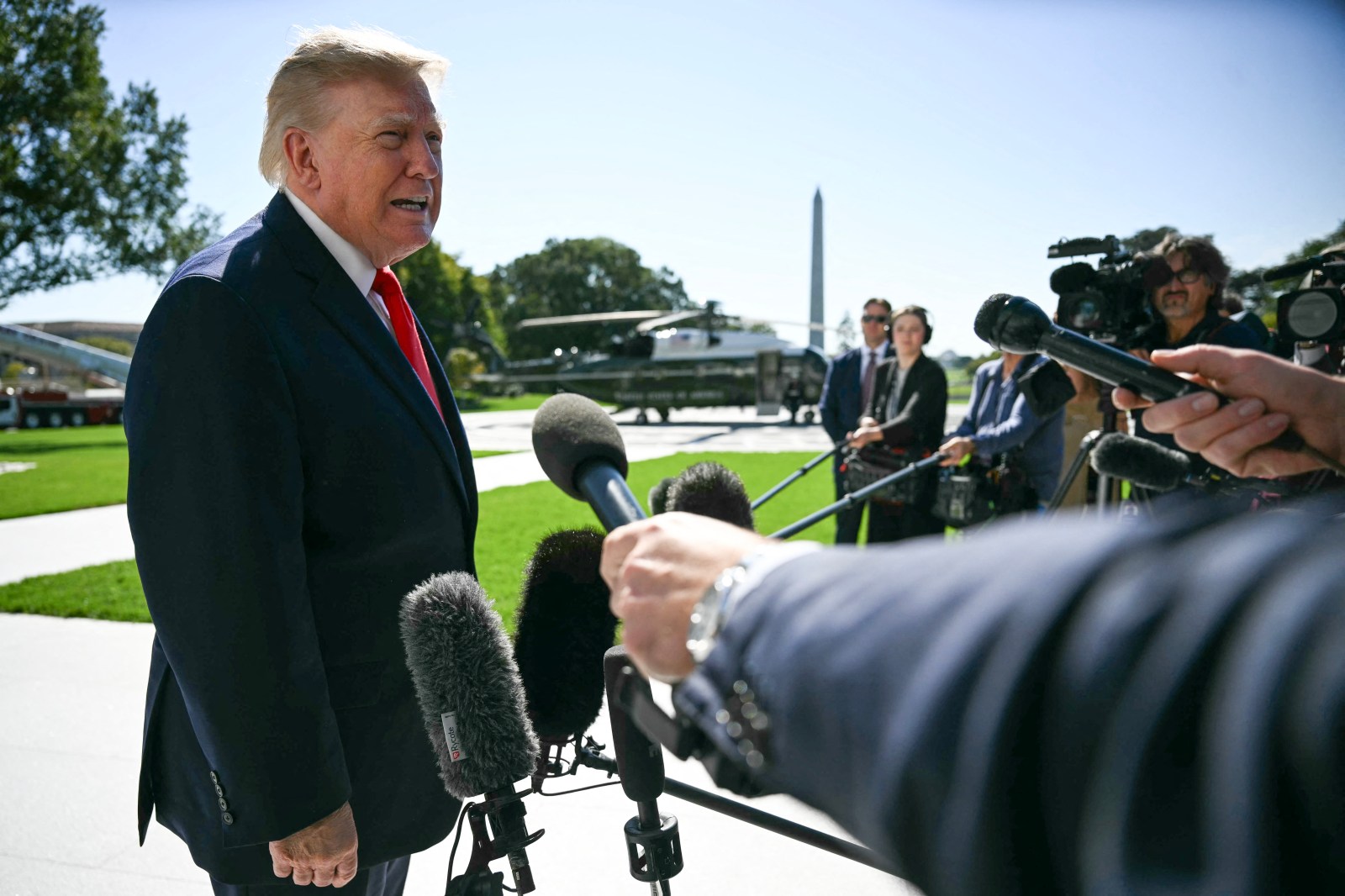
President Donald Trump is under scrutiny from Republican lawmakers after waiving critical elements of a Russia sanctions law he signed last month. This decision, intended to alleviate pressure on Moscow, has sparked concerns that it could weaken efforts to end the Russia-Ukraine conflict.
On Friday evening, Trump issued an executive order to waive key sanctions and tariffs aimed at pressuring Russia to cease its war in Ukraine. The move attracted criticism from both political parties and Ukrainian President Volodymyr Zelensky, while a senior Russian official praised it.
Republican Response
Republican Senator Thom Tillis of North Carolina labeled the action as “beyond irresponsible.” He emphasized his disapproval on social media, questioning the decision to bypass a law overwhelmingly passed by the Senate with an 86-11 vote. Tillis criticized the administration for appearing to submit to Russian interests despite their aggressive actions in Ukraine.
Representative Don Bacon from Nebraska echoed Tillis’ concerns, asserting that the President’s decision could prolong the war.
The legislation, named after late GOP Senator Lindsey Graham, aimed to increase pressure on Moscow. It targeted Russian officials, banks, and oil and gas transportation networks amid the ongoing conflict.
Senator John Cornyn of Texas also expressed disappointment, stating that the decision would not align with Senator Graham’s intentions. Governor Kevin Stitt of Oklahoma had previously warned Newsweek that such measures might extend the conflict while failing to reduce fuel prices significantly.
Administration and Supporter Responses
White House spokeswoman Taylor Rogers had earlier told Newsweek about Trump’s successful negotiations to enhance global diesel supplies and lower prices. She emphasized the priority of reducing costs for American farmers, truckers, and families while encouraging both sides of the Russia-Ukraine conflict to cease attacks on refineries.
Patrick Casale, an adviser to Nevada GOP chairman Michael McDonald, defended Trump’s decision, highlighting efforts to reduce fuel prices and urging an end to the Ukraine war. Casale criticized Republican lawmakers opposing the decision, suggesting it might motivate negotiations between Ukraine and Russia.
Executive Order Details
Trump signed the Lindsey O. Graham Sanctioning Russia and Iran Act in September 2026. His executive order waives parts of the law’s sanctions and tariffs. “I am hereby waiving the application of such sanctions, restrictions, and duties,” the order reads, citing national interests.
The now-waived law planned a 500 percent tariff on Russian imports, with potential 100 percent tariffs on goods from the top five importers of Russian-origin energy resources. These would apply to new purchases after October 18. The waiver prevents these tariffs from automatically applying.
Trump emphasized ongoing efforts to end the Russia-Ukraine conflict and noted the importance of intervention to prevent further loss of life.
International Reactions
Ukrainian President Zelensky condemned the waiver, highlighting its disregard for measures intended to pressure Moscow. Zelensky pointed to Russian attacks on Ukraine’s energy sector as recent provocations.
A Russian official praised Trump’s move as “historic.” This adds to tensions between Washington and Kyiv over U.S. policies on Russia, particularly relating to energy supplies and pricing.
Democratic Reaction
Democratic Senate Minority Leader Chuck Schumer criticized the decision, describing it as a favor to Vladimir Putin. Senator Richard Blumenthal, who contributed to drafting the sanctions, denounced Trump’s action, alleging it undermines U.S. allies and emboldens Russia.
Diesel Deal Context
Trump’s decision followed an agreement with Putin to boost diesel supplies to global markets to curb rising energy prices. Critics argue easing Russian energy restrictions might enable additional revenue for Moscow as its war against Ukraine persists.
Earlier this month, Senator Tillis and bipartisan senators urged Trump to reconsider the deal, fearing it supports Russian interests. They described the agreement as detrimental to American security and Ukrainian allies.
Although the executive order doesn’t explicitly mention the diesel agreement, the connection between these events has been a topic of legislative and public debate.