
The Trump administration’s decision to suspend Microsoft’s access to green cards for its H-1B visa holders sparked controversy. Microsoft President Brad Smith addressed these issues, describing the move as ‘off base.’ He refuted the recent claims made by Vice President JD Vance, who accused Microsoft of committing fraud through the PERM process. This process allows visa holders to attain permanent residency. Smith emphasized that the majority of the visa and green card applications were for existing employees, rather than new hires. He noted that the backlog at U.S. Citizenship and Immigration Services (USCIS) contributed to delays.
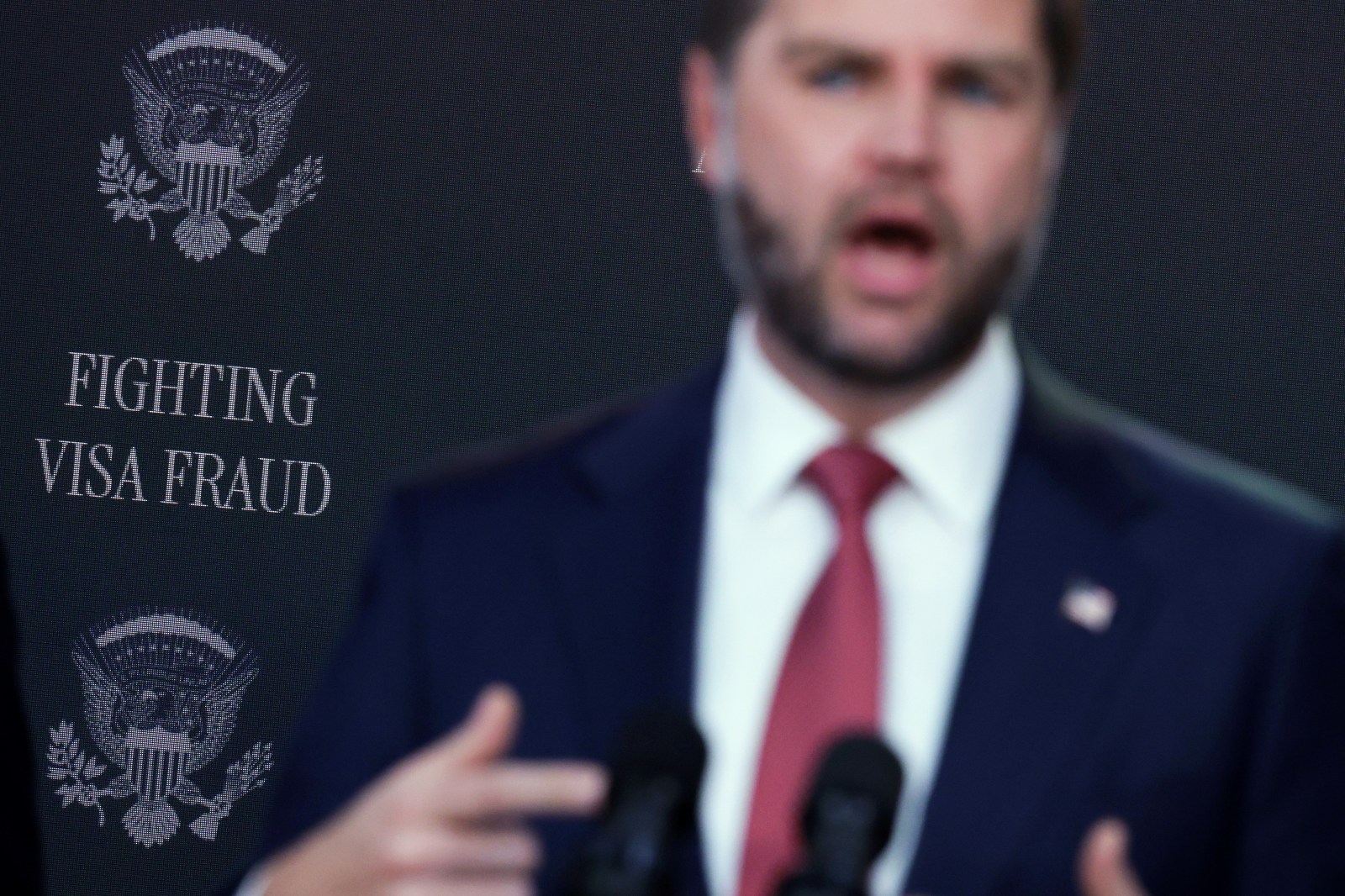
During an October 8 press conference, Vice President Vance, alongside other officials, detailed a ban on several tech companies’ ability to apply for permanent residency for H-1B employees. Vance highlighted Microsoft’s layoffs of 6,000 American workers while gaining 6,300 H-1B visas and 3,000 green cards. He claimed this equated to hiring foreign workers over domestic ones.
Stuart Anderson, the executive director of the National Foundation for American Policy, cautioned that such actions were likely to push companies to expand outside the U.S. This could potentially impact the domestic workforce negatively.
Smith clarified that Microsoft had hired 9,200 American workers during the last fiscal year, an aspect missing from the prevailing narrative. He expressed concern over the Trump administration’s ban and its effect on attracting top talent, which is the main purpose of the H-1B visa.
Ironically, President Donald Trump honored Microsoft CEO Satya Nadella, a former H-1B visa holder, along with other tech leaders in a ceremony. Smith pointed out that many of those leaders hailed from immigrant backgrounds and contributed significantly to the U.S. economy.
Trump Administration’s Focus on H-1B Visas
The H-1B visa, crucial for highly skilled workers, has faced scrutiny under the Trump administration. Intended for industries like healthcare and technology, this visa aims to fill critical roles. Critics argue that it is exploited to replace American workers with cheaper foreign labor. Companies using the PERM process must demonstrate that no Americans are available for the job, leading to claims of abuse.
The administration proposed a $100,000 application fee and additional rules, potentially reducing the number of workers able to continue in the U.S. The Department of Homeland Security considered ending automatic renewals, requiring reassessment by immigration officers.
Supporters of the H-1B program, including Anderson, emphasized its role in fostering innovation and economic growth. Anderson noted that the number of U.S.-born STEM workers increased significantly. Smith reiterated the point that H-1B holders earn on par with their American counterparts.