
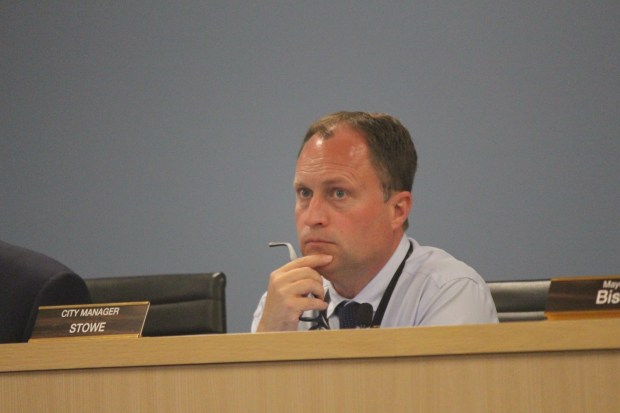
Residents of Evanston might face budget challenges in 2027 if proposed tax increases are implemented. The city staff has recommended an 8.9% property tax increase, a 25% rise in water rates, and additional costs for natural gas use and garbage collection. These changes were discussed at the Oct. 12 City Council meeting.
Council members have voiced opposition, urging a reevaluation of expenses before imposing further financial burdens on residents. They have suggested cutting personnel if necessary to reduce costs. The final decision on the budget is expected before Thanksgiving.
The proposed budget aims to alleviate financial strain on Evanston’s Parks and Recreation Fund and restore depleted reserves in the General Fund, as noted by City Manager Luke Stowe. A significant aspect of the budget includes a $100 million Capital Improvement Plan designed to replace almost 10,000 lead service lines and execute various structural upgrades.
City Manager Luke Stowe has emphasized the proposed 2027 budget’s importance in enhancing the city’s fiscal health while maintaining essential services and addressing infrastructure needs. The budget outlines $349 million in expenditures, a 2% increase from last year.
Insurance Fund costs have escalated due to rising health insurance expenses for city employees, predominantly driven by increased use of GLP-1 medications. City officials, including CFO Hitesh Desai, highlight a projected $6 million deficit in the General Fund, a decrease from previous years’ deficits of $10-12 million, partly due to a 6.6% revenue increase resulting from economic inflation and proposed tax rate hikes.
If approved, the property tax increase would result in a 1.7% uptick in total property taxes for homeowners, equating to an approximate annual rise of $180 for a home valued at Evanston’s median price of $481,000.
Additional fees include increased taxes on streaming services, such as Netflix and Hulu, and rideshare apps like Uber and Lyft. Natural gas tax, waste pickup fees, and grocery bag tax are also set to rise. A 25% water rate hike is proposed to support infrastructure investments and finance costs.
During budget discussions, Council members expressed concerns that the plan overly relies on taxpayers and suggested revisiting staffing roles that may not be crucial for daily operations. Some members recommended deeper examination of expenses and reduction in high-level employee salaries.
Ald. Bobby Burns defended the current staffing levels, stating the positions aim to balance workloads for city staff. Despite divergent views, the Council will continue discussions and plans a tentative budget approval by Nov. 23, following further deliberations on Oct. 26.