
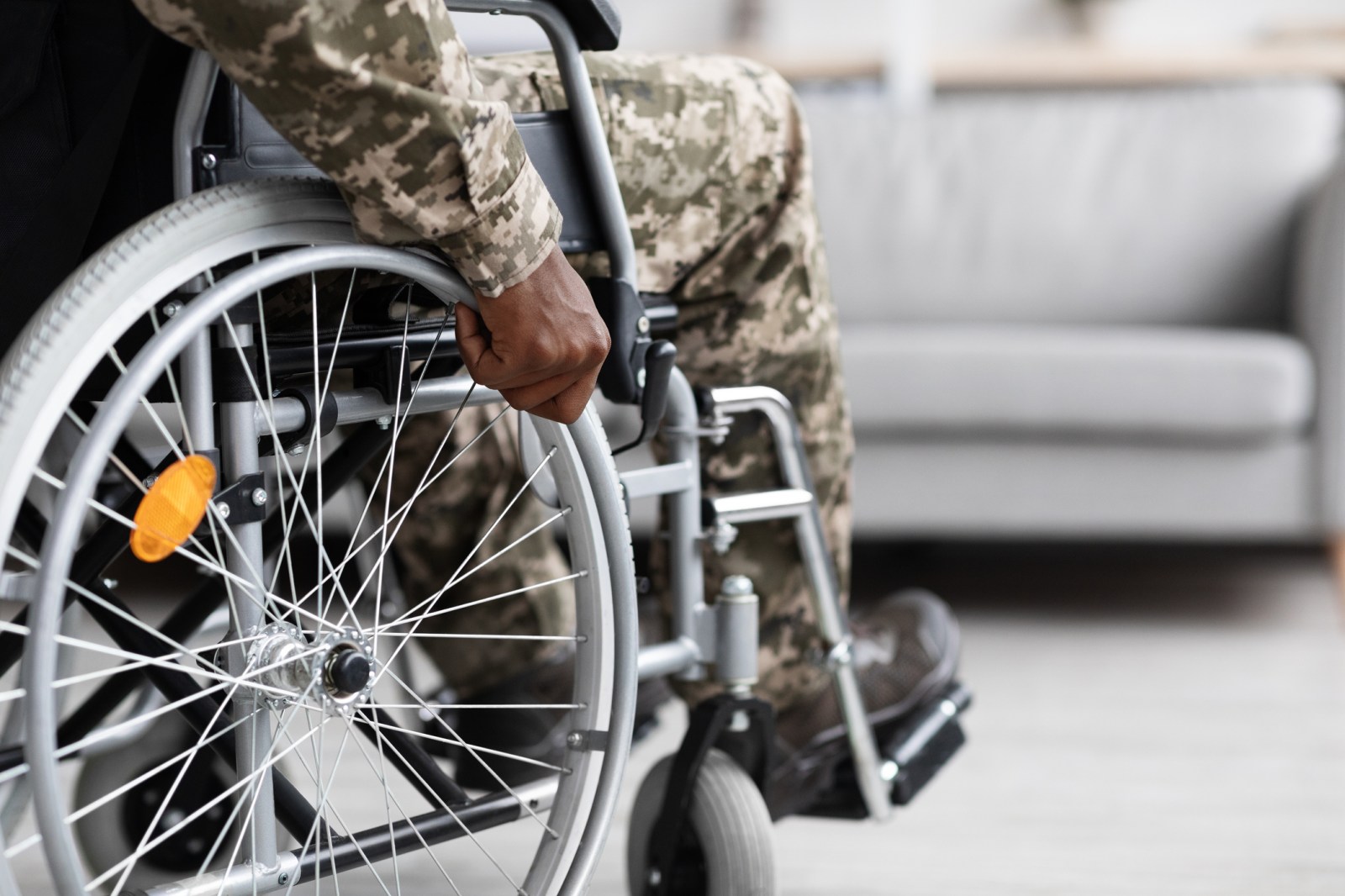
Millions of veterans receiving disability compensation will see a 3.6 percent increase in their monthly benefits in 2027. This follows the recent announcement of a cost-of-living adjustment (COLA) by the Social Security Administration (SSA). The SSA announced the 3.6 percent COLA as an increase from the previous 2.8 percent adjustment for 2026. This marks the largest annual increase since 2023.
Impact on Veterans
The increase will affect over 6 million veterans nationwide who currently receive Veterans Affairs (VA) disability compensation. VA disability compensation adjustments are linked to Social Security’s COLA. However, the corresponding increase for veterans requires congressional approval. The VA has not yet released its official 2027 payment tables.
Understanding VA Disability Compensation
VA disability compensation provides tax-free monthly payments to eligible veterans. These veterans must have illnesses or injuries related to their military service. Eligibility extends to those who developed physical or mental health conditions during service, had an existing condition worsened, or developed a condition linked to service after leaving the military.
Qualifying conditions for compensation include chronic back pain, hearing loss, traumatic brain injuries, PTSD, respiratory illnesses, and certain cancers associated with exposure to hazardous substances.
The compensation amount a veteran receives depends on a disability rating from the VA. This rating ranges from 0 to 100 percent in increments of 10. The determination considers the condition’s effect on health and functionality, based on medical evidence and examination results.
2027 VA Disability Benefits Increase
The 3.6 percent COLA will raise VA monthly disability payments across all compensable ratings, from 10 to 100 percent. For instance, a veteran with a 50 percent disability rating currently receives $1,132.90 per month. The 2027 adjustment would increase this to approximately $1,173.68, an additional $40.78. A veteran with a 100 percent rating could see monthly compensation rise from $3,938.58 to $4,080.37, an increase of $141.79, totaling about $1,701 annually.
Veterans with dependents might receive higher payments. Those with disability ratings of at least 30 percent can qualify for additional compensation for a dependent spouse, children, or parents. Veterans rated at 10 or 20 percent receive standard compensation regardless of dependents. Some veterans with severe disabilities might qualify for Special Monthly Compensation, exceeding standard rates.
How the VA COLA Is Calculated
VA disability compensation increases align with the annual COLA set by the SSA. This adjustment helps federal benefits keep pace with rising prices. The SSA uses the Consumer Price Index for Urban Wage Earners and Clerical Workers (CPI-W) to calculate the COLA, a measure of inflation from the Bureau of Labor Statistics.
The SSA examined the average CPI-W from July, August, and September, compared to the same months of the previous year. For 2027, it noted an increase from 317.265 in the third quarter of 2025 to 328.746 in the third quarter of 2026, resulting in a 3.6 percent COLA.
Congress must approve this boost. The Veterans’ Compensation Cost-of-Living Adjustment Act of 2026 will authorize the corresponding adjustment to VA disability compensation and certain survivor benefits. This legislation had not been enacted as of October 15, so the 2027 VA rates are pending congressional approval.
Next Steps
If Congress approves, the proposed 2027 VA disability compensation increase is set to take effect on December 1, 2026. VA disability compensation is typically paid at the start of the following month, which means the December increase would be paid at the beginning of January 2027.
Veterans already receiving disability compensation will not need to file new claims to receive the COLA. The increase will apply automatically once implemented. The VA will publish its final 2027 compensation tables after approval.