
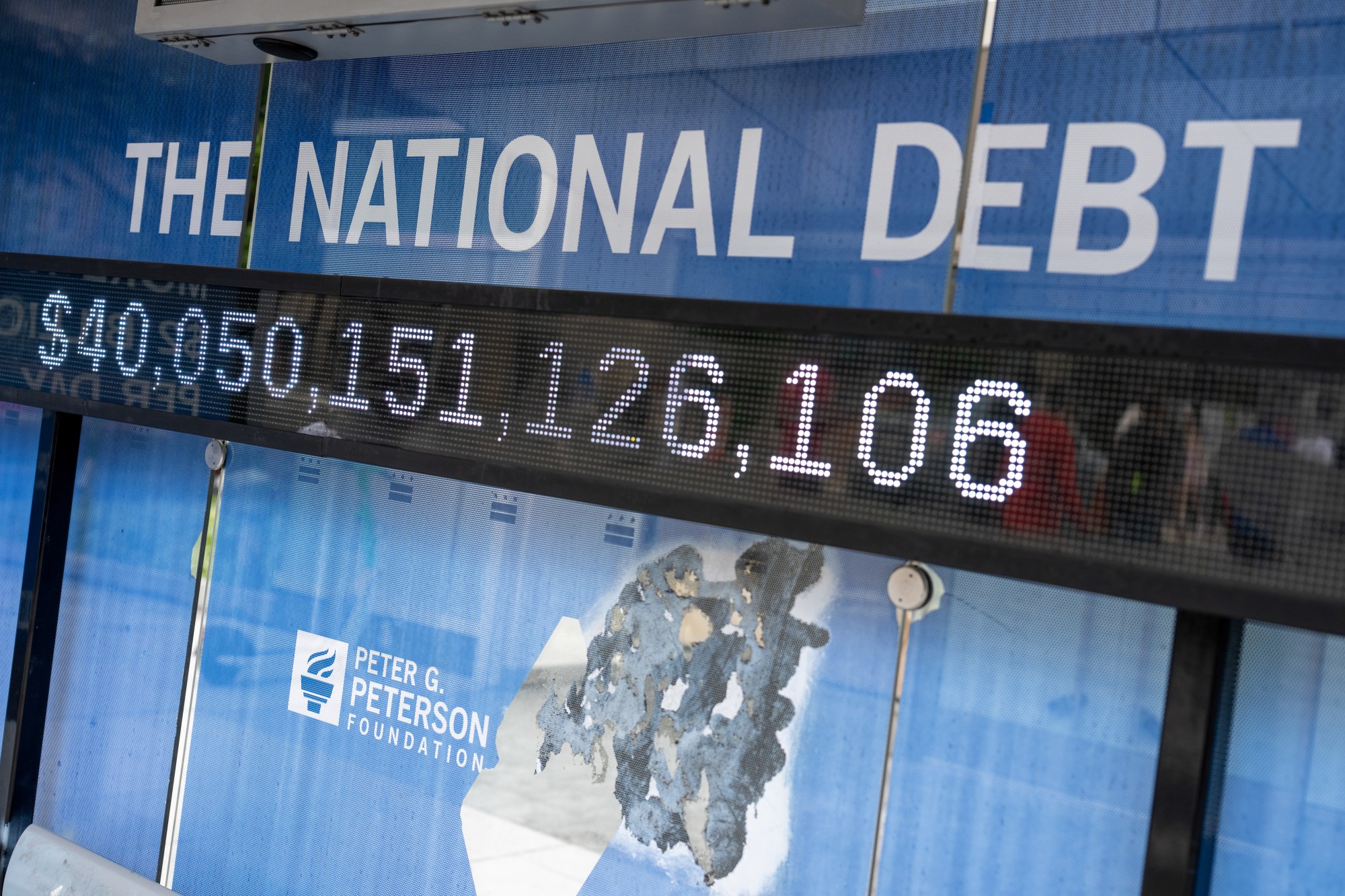
The US national debt has reached a historic milestone, surpassing $40 trillion for the first time. This represents a dramatic 33% increase in less than five years. Despite these figures, lawmakers have yet to address the fiscal deficits effectively.
In the fiscal year 2026, the federal government’s budget deficit totaled $2 trillion. On average, this means that Washington spent $15,000 more per household than it collected in revenue. This deficit is not due to an emergency or temporary issue but reflects the current fiscal strategy. Projections suggest that the country will face an average annual deficit of $2.4 trillion over the next decade.
The 119th Congress is set to conclude with significant bills aimed at reducing taxpayer costs. These bills target fraud prevention in federal spending programs, which the Government Accountability Office (GAO) estimates incurs costs between $233 billion and $521 billion annually.
The Pre-Payment Fraud Prevention and Treasury Data Access Act, proposed by Rep. James Comer, seeks to bolster the Treasury Department’s Do Not Pay system. Enhancing data sources will assist agencies in verifying payment eligibility, preventing fraud before disbursal. This bill garnered robust support, passing the Committee with a 35-1 vote and the House with the required two-thirds majority.
The ZOMBIE Act, introduced by Rep. Gary Palmer, aims to reform federal laws concerning improper payments. Shifting from traditional audits to real-time auditing, the act also calls for annual meetings between state officials, the Treasury secretary, and the OMB director to coordinate fraud prevention. It passed the Committee unanimously and the House by voice vote.
The Fraud Prevention and Accountability Act spearheaded by Rep. Pete Sessions proposes the creation of a government-wide anti-fraud Inspector General within the Treasury Department. It plans to integrate the promising AI-enabled Fraud Prevention Engine from the Pandemic Response Accountability Committee and extend its usage. This bill secured House support with a vote of 240-181, including bipartisan backing from 28 Democrats.
These bills now await Senate action. With considerable bipartisan support, Senate leaders have the chance to prioritize these measures in the upcoming legislative session. The question remains: will any senator publicly oppose reforms that enforce government efficiency and safeguard taxpayer money from fraud?
There is more Congress can achieve to enhance government operations and combat fraud. The GAO has outlined broader measures to improve efficiency, offering recommendations that could result in savings between $132 billion and $251 billion. While anti-fraud legislation alone cannot resolve a $2 trillion deficit, it highlights the importance of pursuing all viable savings opportunities. Senate leaders should strive to pass these bipartisan anti-fraud reforms when lawmakers reconvene.