
Ohio is at the forefront of the political battle surrounding the expansion of data centers vital to the growth of artificial intelligence in the United States. In November, voters across Ohio will have a say on 20 ballot measures related to data centers in 17 jurisdictions. This accounts for more than half of the 34 measures appearing nationwide, highlighting Ohio’s role in discussions around the facilities’ effects on power, water, and local communities.
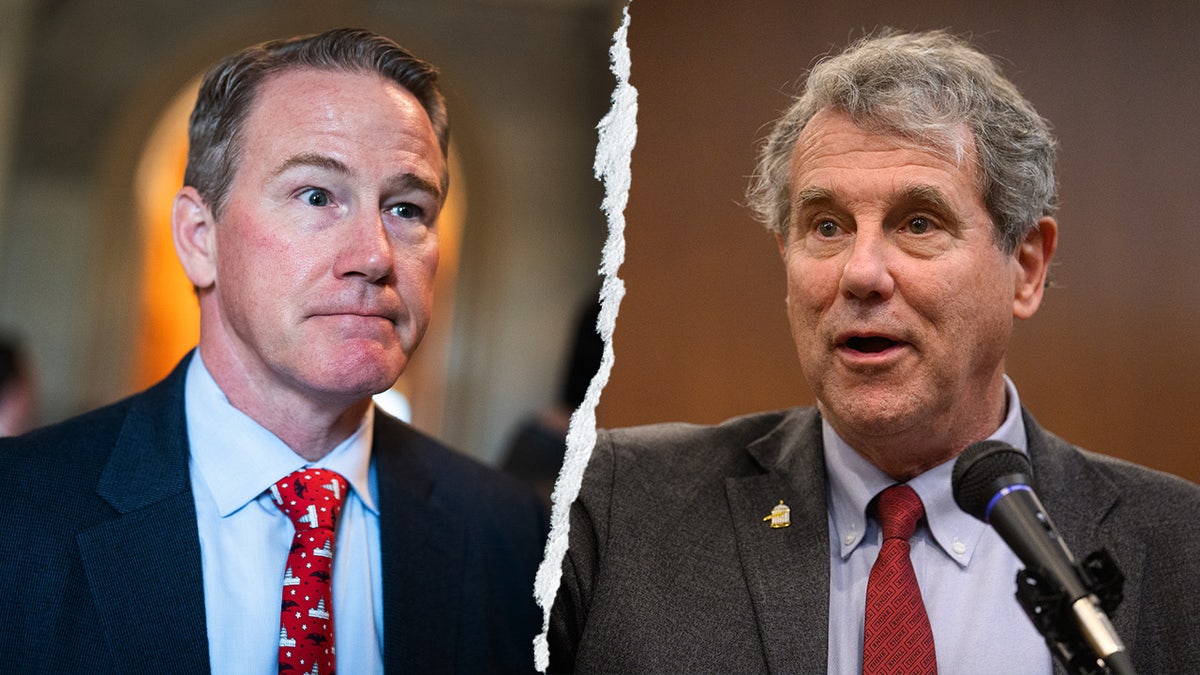
The issue coincides with Ohio’s Senate race, where data centers have emerged as a campaign topic. President Donald Trump has advocated for expanding these facilities, emphasizing their importance in maintaining the U.S. lead in AI technology. Sen. Jon Husted, R-Ohio, has championed the Ratepayer Protection Act, aimed at ensuring data centers pay for the power and infrastructure they require instead of burdening taxpayers. This initiative highlights Ohio’s significance in the upcoming midterm elections.
Former Sen. Sherrod Brown, the Democratic Senate challenger, has criticized Husted over data center development. Trump has defended Husted’s stance. “There’s so much money to be made for Ohio, you can’t just turn them off,” the president said.
Nationwide, voters in seven states will address 34 ballot measures related to data centers. A Fox News poll last month revealed voters’ struggle to balance AI’s benefits against the economic and environmental costs of these centers. Seventy-one percent opposed building AI data centers in their area, with 46% strongly against them. Fifty-two percent favored building them in remote locations, while 44% disagreed.
Overall, 60% of voters had a negative view of AI, while 37% viewed it positively. This negative sentiment has surged since a July Fox News poll. Voters with positive opinions of AI tended to lean Republican, whereas those with negative views leaned Democratic.
The divide extends to data centers, with Republicans gaining more support from voters favoring their construction, while Democrats receive greater backing from opponents. As AI policy becomes a divisive issue in Washington and on campaign trails, Trump has resisted federal regulation of the AI industry, stressing the need to avoid losing the technology race to China.
In Texas, Governor Greg Abbott, previously an advocate for tech investments, has temporarily halted new data center permits pending an audit of their impact on the power grid and water supplies. Democratic challenger Gina Hinojosa supports temporary moratoriums.
In Texas’s Senate race, Republican Attorney General Ken Paxton and Democratic state Rep. James Talarico have debated tax incentives for the industry.
Amanda Macias covers the intersection of business, economics, and politics, focusing on how policy decisions affect markets, businesses, and American workers.