
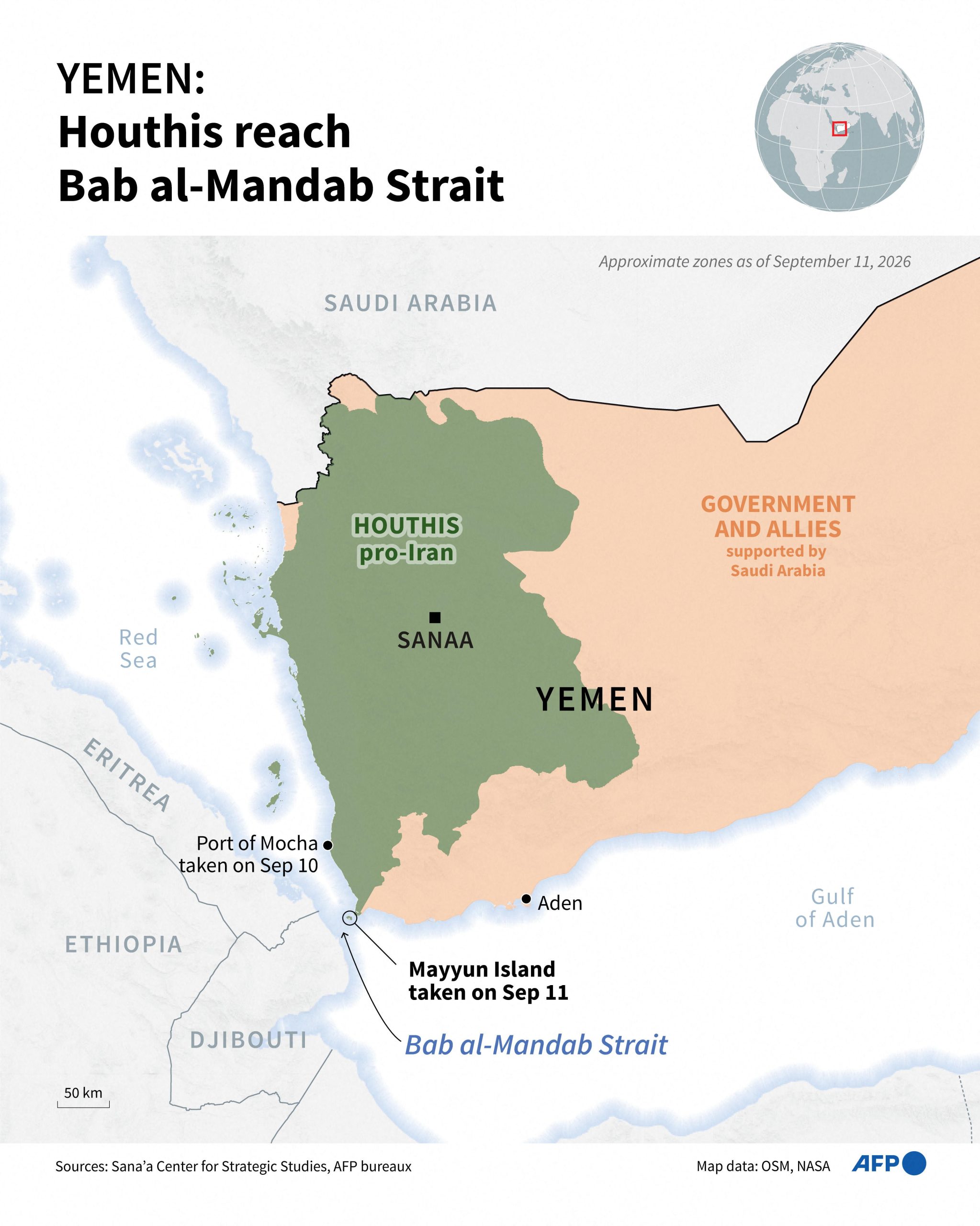
The Houthi rebels in Yemen have transformed over the past decade from a little-known group into Iran’s strongest ally in the region. Their prominence as a significant opponent to the United States and its allies has grown, contrasting with the decline of other Iranian proxy forces.
While other proxies have weakened, the Houthis have reached the forefront with asymmetric aerial attacks. After the United States joined Israel in strikes against Iran, the Houthis commenced their own attacks against Israel, contributing to ongoing regional conflict.
Impact on Saudi Arabia and Global Energy Markets
Saudi Arabia, despite its wealth and position as a key American ally, has suffered from Houthi attacks. Recent assaults on Saudi airports have resulted in the deaths of at least 20 people. The militants have also targeted oil infrastructure, affecting global energy prices by threatening key maritime routes like the Bab el-Mandeb Strait.
Saudi Arabia has requested U.S. assistance in military operations against the Houthis. President Trump, initially hesitant, has stated he is considering joining these efforts.
Iran’s Powerful Proxy
For years, officials from the U.S., Israel, and various regional analysts have cited Iran’s financial and military backing of the Houthis. Initially a minor component of Iran’s Axis of Resistance, comprising groups opposed to Israel and the U.S., the Houthis have established themselves as a formidable force.
Unlike other groups such as Hamas and Hezbollah, weakened by Israeli operations, the Houthis have rebounded, becoming more armed and resilient. Mohammed Al-Basha from the Basha Report highlights their strategic importance in any U.S. plan against Iran.
Recent Military Evolution
Following the 2023 attack on Israel, the Houthis gained substantial support from Iran, including advanced equipment. Their tactics now involve layered drone, cruise, and ballistic missile strikes, first used against Israel, now deployed against Saudi Arabia.
Yoel Guzansky of the Institute for National Security Studies notes their utilization of Yemen’s economic challenges as leverage, with an ideological base willing to endure hardships to damage Saudi Arabia.
Houthi Objectives
Houthi military actions have been framed as retaliation against Saudi aggression, yet experts like Al-Basha argue their aim is power. The Houthis seek control over Yemen and recognition as legitimate, leveraging attacks on Saudi Arabia for their goals.
The Iran-Influenced Rise
The Houthis emerged from the Zaydi Shiite Muslim sect, developing from a cultural protection movement into a significant military force. Their slogan reflects their broad opposition to the U.S. and Israel.
Analysts estimate hundreds of thousands of fighters are combat-ready, while the group claims training for over a million militants.
Capitalizing on Yemen’s post-Arab Spring unrest, the Houthis seized Sanaa in 2014, igniting civil conflict and forcing government relocation to Aden.
The Civil War and Humanitarian Crisis
Despite facing a Saudi-led coalition since 2015, the Houthis have persisted, aided by Hezbollah and Iranian military advisors who have enhanced their self-manufacturing capabilities.
Anthropic’s report last September suggested northern Yemen actors might be using AI to develop missile technology, highlighting concerns of evolving weapon capabilities.
The Iranian Connection
Fabian Hinz from the International Institute for Strategic Studies notes ongoing Iranian technological support for the Houthis, despite strides in local manufacturing.
The relationship is mutually beneficial, with Iran’s reliance on the Houthis growing as regional dynamics shift. Yoel Guzansky underscores their indispensability in Iran’s broader strategy, with autonomy in decision-making acknowledged.
Yemen’s Ongoing Conflict
Positioned at the Arabian Peninsula’s southern end, the Houthis remain geographically isolated. The civil war has resulted in significant humanitarian tolls.
377,000 deaths are estimated since 2015, largely stemming from indirect causes like starvation and disease. Over 201,210 people have been displaced, with more than 3,700 fleeing to Djibouti.
The World Health Organization and Houthi-run Ministry of Health reported numerous fatalities and injuries recently, highlighting the devastating impact of continued violence on the region.
The conflict remains complex, with divided opposition forces further complicating Yemen’s humanitarian crisis.