
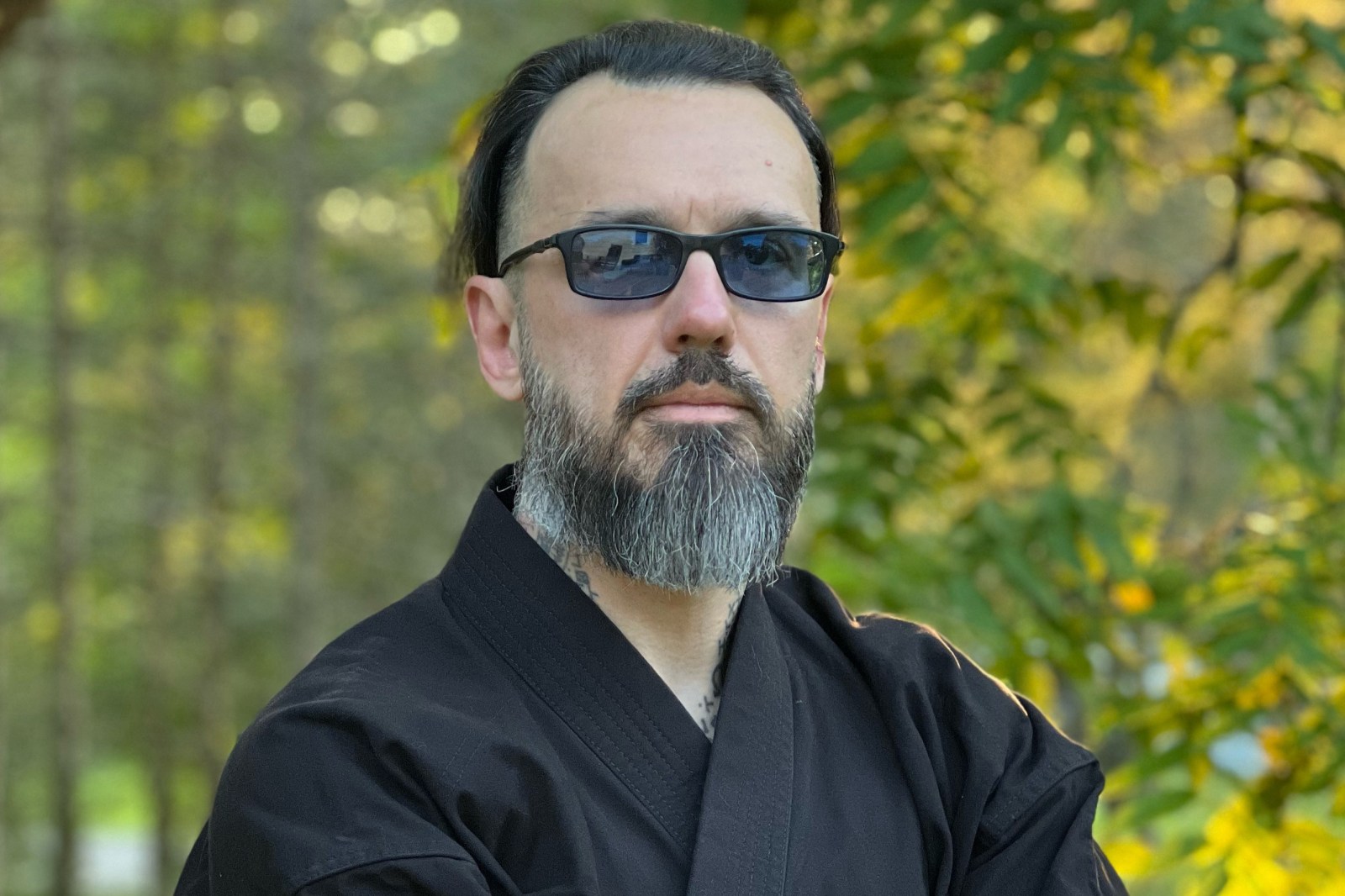
Damien Echols, who was released after nearly two decades on death row, expressed concerns to Newsweek about the decision to livestream the execution of Fort Hood shooter Nidal Malik Hasan. Echols believes this move is harmful to American society.
Execution Details
Nidal Malik Hasan was convicted of the 2009 Fort Hood shooting in Texas that resulted in 13 deaths. His execution by firing squad is set for December 3. A Pentagon official confirmed plans to livestream the event. Defense Secretary Pete Hegseth had previously mentioned that the execution would be public.
Hasan’s attack occurred during the War on Terrorism, and he presented it as ideologically motivated. Before the incident, he communicated with Anwar al-Awlaki, a cleric linked to Al-Qaeda, who supported Hasan’s actions.
Echols’ Perspective
Despite his exoneration in the “West Memphis 3” case, Echols continues to fight for his name. He argues that broadcasting Hasan’s execution could harm society’s mental, emotional, and spiritual well-being. Echols, 51, now an author and magician, draws from his prison experience to discuss capital punishment.
“I’ve seen all ends of the spectrum,” Echols stated, referencing offenders who turned their lives around while on death row.
He recognizes that some inmates remain dangerous but questions the ethics of execution in all instances. His nuanced view considers the potential risks of not using the death penalty in certain cases.
Desensitization Concerns
After learning about the Pentagon’s livestream plan, Echols discouraged viewers on social media from watching. His message gained significant attention, highlighting the risks of becoming desensitized to violence.
Echols warned of violent content spreading online, where impressionable audiences, including children, might see it. He drew parallels with historical content, noting how this could exacerbate societal issues.
Social Impact
Since his release, Echols has noted growing societal divisions. He fears the execution broadcast could worsen these trends and inadvertently elevate Hasan’s status among extremists.
Echols referenced the covert nature of Osama bin Laden’s 2011 operation, suggesting U.S. authorities managed potential backlash more effectively then.
Message to Leadership
Echols urged President Donald Trump to reconsider the execution plan. His appeal discounts the act itself, focusing instead on the potential impact on citizens, especially children.
Trump’s Endorsement
President Trump confirmed his approval of the livestream on Friday, indicating his long-standing support for capital punishment. Trump stated he had no concerns about potential propaganda use.
Execution Announcement
The Army set Hasan’s execution at Fort Hood for December 3 at 1 p.m. Soldiers with rifles will conduct the firing squad. The execution marks the first such military procedure since World War II, as noted by Hegseth in a recent interview.
Echols’ Ongoing Struggle
The “West Memphis 3” case is still open for Echols, who was wrongfully convicted along with Jason Baldwin and Jesse Misskelley for the 1993 murder of three boys. Despite the lack of physical evidence, they were imprisoned until a 2011 plea deal, supported by DNA tests, led to their release.
In 2024, the Arkansas Supreme Court sanctioned further DNA testing on case evidence. Echols remains hopeful about pinpointing the true perpetrator via DNA discovered on evidence like ligatures used in the crimes. Continued delays frustrate the process, but Echols remains optimistic.