
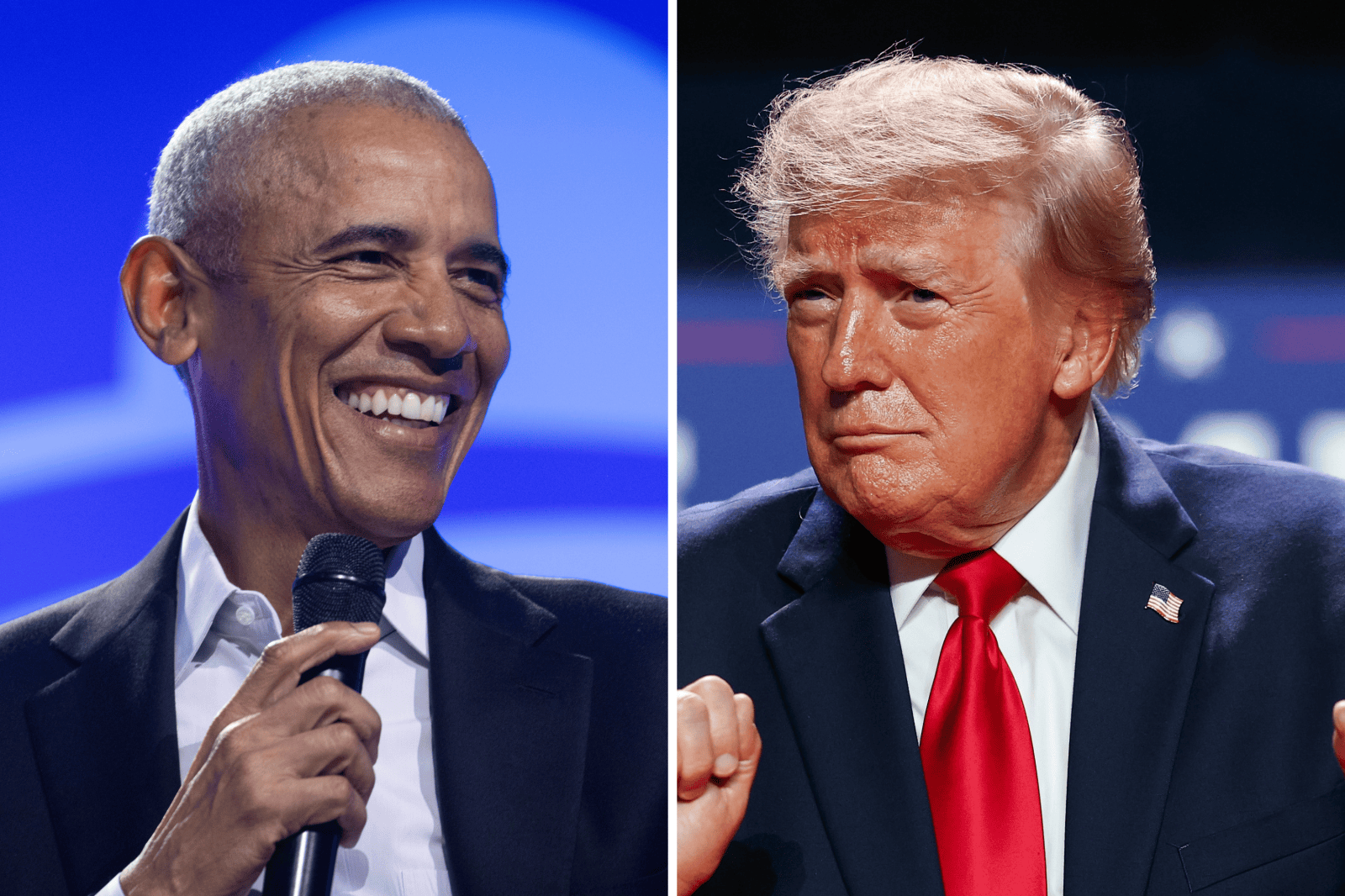
In preparation for the 2026 midterm elections set for November 3, both Democrats and Republicans are actively strategizing to captivate undecided voters and energize their respective bases. The race to achieve a majority in the House of Representatives and the Senate has become intense.
Democrats appear to have an advantage in the House races according to polls, while the Senate control is fiercely contested. The Democrats hold optimism, largely due to President Trump’s declining national approval rating and persistent economic concerns, particularly involving the cost of living. History shows that the White House party often loses ground during midterms if deemed unpopular.
Conversely, Republicans plan to deploy Trump, praised for his popularity within the party despite lower general approval ratings. Their aim is to invigorate conservative base turnout, which polling indicates has seen a decrease in enthusiasm. Natalie Baldassarre, National Press Secretary for the Republican National Committee, emphasized this sentiment to Newsweek, describing midterms as critical for turnout, expressing high regard for Trump’s ability to engage voters.
Trump’s campaign efforts have included rallies across nearly two dozen states this year, touching upon primary and general elections. Recent rallies have targeted conservative states like Nebraska, Oklahoma, and Tennessee. However, appearances in battleground states such as Ohio and North Carolina have been integral due to competitive Senate races. Upcoming rallies are scheduled in key states this week, including Ohio, Alaska, Arizona, Montana, and Georgia.
Senate Majority Leader John Thune, a Republican from South Dakota, acknowledged Trump’s impact in drawing voters, particularly in Republican strongholds, stating that such rallies are instrumental in ensuring voter turnout among Trump supporters.
On the Democratic front, Obama adopts a more selective campaign strategy. Endorsing several candidates yet conducting limited rallies, with a notable appearance in Detroit, Michigan, supporting Democratic Senate and gubernatorial candidates. Obama also features in advertisements for candidates such as El-Sayed in Mississippi’s Senate race, and has made surprise appearances in Texas earlier this year.
Obama indicated more campaign actions are forthcoming, with the Associated Press disclosing that he has recorded numerous advertisements for Democratic candidates alongside planned campaign stops. Former President Joe Biden has made few endorsements without any public campaign events scheduled before midterms.
In the House, Democrats need to overturn a few seats to secure a majority, with Republicans holding 218 seats and Democrats 214. Recent polls demonstrate Democrats leading on the generic ballot; for instance, Reuters/Ipsos poll shows Democrats 7 points ahead among registered voters.
Furthermore, YouGov and The Economist poll indicates Democrats up by 11 points among likely voters. Prediction markets such as Kalshi and Polymarket show Democrats favored to win the House.
The Senate flipping remains challenging for Democrats with Republicans maintaining a 53-47 stronghold. Key GOP-held seats in Maine and North Carolina are under scrutiny as Democrats vie for the Senate. To achieve a majority, Democrats would need to secure seats in typically Republican states, with some competitive polls hinting at possibilities in Alaska, Iowa, Kansas, Ohio, and Texas.
In prediction markets, Democrats have probabilities fluctuating around 62 to 64 percent for gaining Senate control. Election outcomes will become clearer with more campaign activities expected from both parties and early voting underway in certain states.