
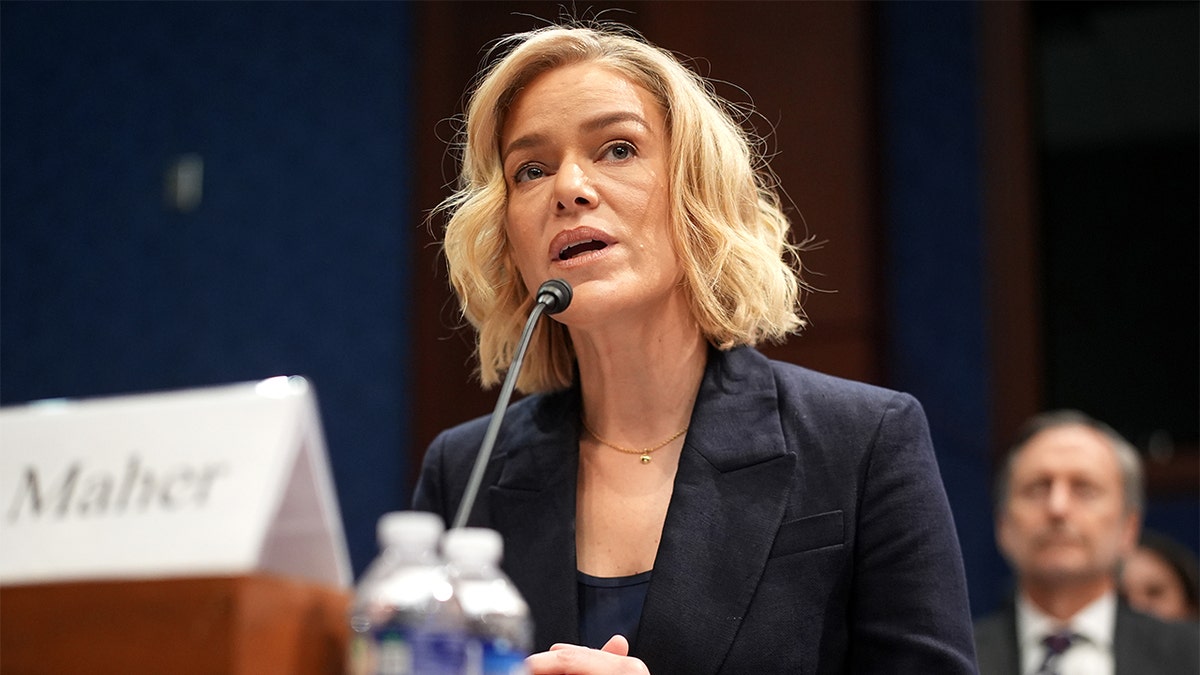
Katherine Maher, the President and CEO of National Public Radio (NPR), will be honored with the James C. Goodale First Amendment Award on October 26. This recognition comes from Harper’s Magazine, acknowledging Maher’s leadership during challenging times for NPR. The magazine’s press release highlighted her role in maintaining the importance of journalism in a democracy.
Despite the praise, Maher’s stance on the First Amendment has been questioned. In a 2021 discussion while leading the Wikimedia Foundation, Maher referred to the First Amendment as a ‘challenge,’ complicating efforts to combat misinformation on platforms like Wikipedia. This statement raised concerns regarding her commitment to free speech.
NPR has faced scrutiny for its journalistic choices, notably in 2020 when it declined to cover the Hunter Biden laptop story during the presidential election. Critics viewed this as an attempt to shield then-candidate Joe Biden. Maher, only becoming CEO in 2024, later admitted NPR’s error in not addressing the story sooner during a 2025 congressional testimony.
Funding cuts have also impacted NPR, as Congress rescinded $1.1 billion in federal funding for the Corporation for Public Broadcasting. However, NPR recently received an $80 million donation from a Democratic donor, helping offset the financial loss.
Commentaries from media watchdogs reflect differing opinions on the award. Tim Graham from NewsBusters criticized Maher’s past views on censorship. He argued that celebrating Maher’s handling of NPR’s defunding negotiations misrepresents the situation, emphasizing that cutting taxpayer subsidies is not a First Amendment issue.
Despite criticisms, Maher expressed gratitude for the award. She emphasized the role of public media in defending First Amendment rights and the importance of such freedoms for a better understanding among Americans.
Public responses remain mixed, highlighting Maher’s complex relationship with the First Amendment and the broader media environment.